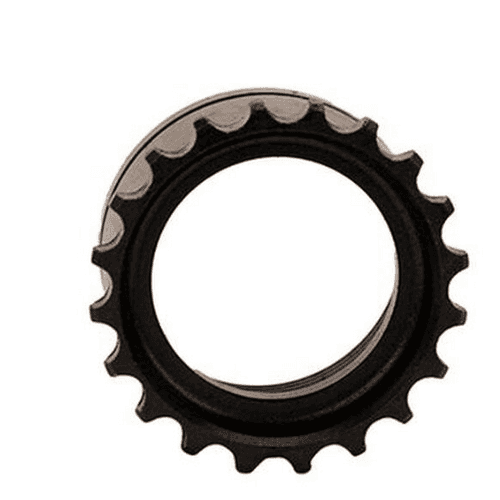













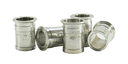






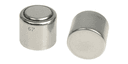



























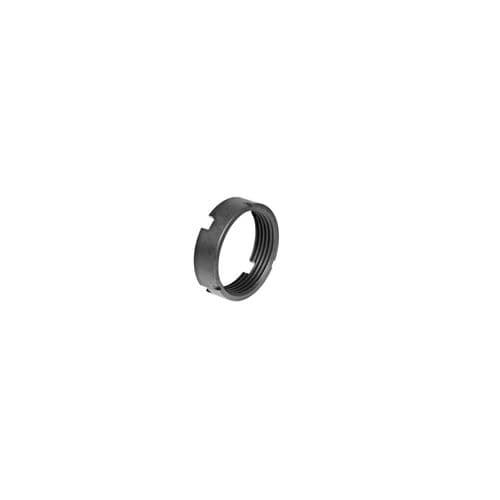
Daniel Defense Castle NUT A1 15-057-20039
$9.99
Please Allow 4-5 Business Days for In Store Pickup

The Essential Foundation: Daniel Defense Castle Nut for AR-15 Rifle Builders
For anyone involved in building, maintaining, or upgrading an AR-15 platform rifle, the seemingly humble castle nut is a component of immense importance. Often overlooked in discussions focusing on more glamorous parts like barrels or optics, the castle nut plays an absolutely critical role in securing the carbine receiver extension – commonly known as the buffer tube – to the lower receiver. Without a properly installed and secured castle nut, the very stability and reliability of your rifle can be compromised, leading to potential malfunctions or even safety concerns. This deep dive explores the Daniel Defense Castle Nut, a premium-grade component engineered to provide rock-solid security and enduring performance for your AR-15.
What is a Castle Nut and Why is it Indispensable for Your AR-15?
At its core, a castle nut is a threaded fastener with distinctive notches, resembling the crenellations of a castle turret, which give it its name. Its primary function on an AR-15 is to create a secure, immovable connection between the receiver extension (buffer tube) and the lower receiver. The buffer tube houses the buffer and buffer spring, which are crucial for the rifle's cycling action. If this tube were to rotate or loosen during operation, it could lead to severe cycling issues, improper bolt carrier group travel, and ultimately, a non-functional or unreliable firearm. The castle nut, in conjunction with the receiver end plate, locks these components together, preventing any unwanted movement.
Consider the forces at play within an AR-15. Every shot generates significant recoil and impact as the bolt carrier group cycles back and forth at high speed. This constant stress demands that all components, especially those connecting major assemblies, are robust and securely fastened. The castle nut ensures that the buffer tube remains perfectly aligned and steadfast, allowing the rifle to operate as designed, shot after shot. It's not merely a "nut"; it's a foundational element for the reliable mechanics of your AR-15. Understanding this crucial role is the first step toward building a truly dependable rifle.
Who Benefits Most from a Daniel Defense Castle Nut? Real-World Applications
The Daniel Defense Castle Nut is an ideal choice for a wide array of individuals, from dedicated DIY gun builders to professional armorers and everyday firearm enthusiasts. If you find yourself asking questions like "What are the essential parts for building a reliable AR-15?" or "How do I ensure my AR-15 buffer tube won't loosen?", then this component is for you. Here’s a breakdown of its primary beneficiaries, highlighting situations where its quality truly shines:
- The First-Time AR-15 Builder: For those embarking on their first AR-15 build, using high-quality, reliable components like the Daniel Defense castle nut minimizes potential frustrations and ensures a successful, safe outcome. It removes a variable from the equation, allowing you to focus on learning the assembly process with confidence, knowing a critical part is top-tier.
- Experienced AR-15 Enthusiasts and Customizers: Whether you're upgrading an existing rifle, replacing worn components, or assembling a new custom build from the ground up, the precision and durability of Daniel Defense parts are highly valued. They offer peace of mind knowing your firearm's foundation is solid and built to last through countless rounds and demanding conditions.
- Professional Armorers and Gunsmiths: In a professional setting where reliability, consistent performance, and client satisfaction are paramount, components that meet or exceed mil-spec standards are essential. Daniel Defense is a brand trusted by military, law enforcement, and professional builders worldwide for its unwavering commitment to quality and consistency. Its ease of installation and reliability streamline professional workflows.
- Anyone Prioritizing Reliability and Safety: The core function of the castle nut directly impacts the safe and reliable operation of the rifle. Investing in a quality part like the Daniel Defense ensures that your buffer tube assembly remains secure, preventing malfunctions that could compromise safety during training, competition, or defensive use. This isn't just about performance; it's about peace of mind.
- Those Seeking Long-Term Durability: If you expect your AR-15 to perform flawlessly for years to come, choosing components designed for longevity is crucial. The robust construction and finish of this castle nut resist wear and corrosion, making it a wise long-term investment that reduces the need for future replacements. It’s built to withstand the elements and the rigors of heavy use.
Key Features of the Daniel Defense Castle Nut: Engineered for Excellence
The Daniel Defense Castle Nut stands out due to its thoughtful design and robust construction, incorporating features that directly address the critical demands of AR-15 assembly and operation. Each aspect is crafted to deliver a superior, long-lasting solution, ensuring your buffer tube remains steadfast under all conditions:
Secure Attachment Mechanism: Universal Compatibility for All AR-15 Builds
One of the most valuable attributes of the Daniel Defense Castle Nut is its versatile compatibility. It is meticulously engineered to secure both mil-spec (military specification) and commercial-spec carbine receiver extensions. This broad compatibility eliminates guesswork for builders, ensuring that regardless of your buffer tube type, this castle nut will provide a perfect, snug fit. This addresses common questions such as "What castle nut fits my AR-15?" by providing a universally applicable solution for standard AR platforms, from budget-friendly builds to high-end custom rifles. Its precision threading ensures a strong, secure connection from the outset.
Integrated Staking Recesses: The Hallmark of True, Permanent Security
Perhaps the most critical feature for long-term reliability is the inclusion of precisely machined recesses designed specifically for staking. Staking is a widely accepted and highly recommended practice in AR-15 assembly, involving deforming a small amount of the castle nut's material into corresponding notches on the receiver end plate. This mechanical deformation creates a positive lock, virtually guaranteeing that the castle nut will not loosen over time, even under extreme recoil or vibration. The presence of these dedicated staking points on the Daniel Defense castle nut simplifies the staking process and ensures a secure, permanent attachment, preventing issues like a rotating buffer tube or a loose stock. This is a direct answer to "How do I prevent my AR-15 castle nut from loosening?" and differentiates a professional-grade build from a casual assembly.
Superior Magnesium Phosphate Coating: Unmatched Durability and Corrosion Resistance
The Daniel Defense Castle Nut is finished with a heavy magnesium phosphate coating. This isn't merely a cosmetic application; it's a functional enhancement critical for the longevity of the component. Magnesium phosphate is a military-standard finish known for its exceptional properties that protect the metal from the harsh realities of firearm use and storage:
- Exceptional Corrosion Resistance: It provides a robust barrier against rust, moisture, and environmental contaminants, crucial for maintaining integrity in various climates and operational conditions, from humid jungles to arid deserts. This extends the lifespan of the nut and prevents degradation.
- High Wear Resistance: The coating hardens the surface, making it highly resistant to abrasion and wear from repeated handling, the friction of the receiver end plate, and tool contact during installation or maintenance. This ensures the castle nut retains its critical dimensions and functionality.
- Reduced Glare: The matte, non-reflective finish helps in tactical applications by minimizing glare, which is essential for maintaining a low profile.
- Excellent Adherence: It creates an ideal porous base for oil retention, further enhancing corrosion protection and reducing friction with adjacent components.
This durable finish ensures that the castle nut maintains its structural integrity and aesthetic appeal throughout the lifespan of your rifle, standing up to the rigors of frequent use and harsh environments.
Universal Tool Compatibility: Effortless Installation with Standard Armorer's Tools
The design of the Daniel Defense Castle Nut accounts for practical, real-world installation scenarios. It is compatible with common armorers' wrenches or specialized castle nut wrenches (tools not included). This standard compatibility means you won't need specialized or proprietary tools, making the installation process straightforward for anyone with a basic AR-15 toolkit. When considering "What tools do I need to build an AR-15?", a standard castle nut wrench is always on the list, and this product is designed to work seamlessly with it, ensuring a snug, torqued fit. This compatibility simplifies the building process and reduces the barrier to entry for new builders.
Lightweight Design: Minimizing Unnecessary Bulk for Optimal Balance
Weighing in at a mere 0.5 oz, this castle nut adds negligible weight to your rifle. In the world of firearms, every ounce matters, especially for builds where weight reduction is a priority, such as lightweight competition rifles, hunting setups, or everyday carry (EDC) firearms. Daniel Defense understands this principle, designing components that are robust and durable without being cumbersome. This minimal weight contribution helps maintain the rifle’s balance and overall maneuverability, contributing to a more comfortable and effective shooting experience.
The Critical Process of Staking: Ensuring Unwavering Stability for Life
While installing the castle nut and torquing it down is important, the true measure of a secure buffer tube assembly lies in the process of staking. This step is what transforms a temporary mechanical connection into a semi-permanent, vibration-proof bond. Many users ask, "Why should I stake my castle nut?" or "How do I properly stake an AR-15 castle nut?". Here’s why it’s so crucial, and how the Daniel Defense Castle Nut facilitates this vital step:
What is Staking and How Does it Work?
Staking involves physically deforming a small amount of material from the castle nut into the corresponding notches or recesses on the receiver end plate. This is achieved by using a specialized staking punch and a hammer. When the punch strikes the castle nut, the metal flows into the end plate's notch, creating a physical interference fit. This deformation creates a physical barrier that prevents the castle nut from rotating loose, even under the intense forces of recoil, vibration from transportation, or accidental impacts. It's a method of mechanical locking that has been proven effective in military and demanding applications for decades, providing a level of security that simple torque cannot match.
Why is Staking Imperative for AR-15 Reliability and Safety?
Without proper staking, the castle nut, despite being torqued down, can gradually loosen over time. This loosening can lead to a host of problems that compromise the rifle's performance and safety:
- Buffer Tube Rotation: A loose castle nut allows the buffer tube to rotate freely, potentially misaligning the stock and compromise shooting ergonomics. This can also misalign the buffer and spring, leading to increased wear.
- Cycling Malfunctions: A rotating or loosening buffer tube can affect the precise alignment of the buffer and buffer spring with the bolt carrier group. This can lead to short stroking (where the bolt doesn't travel far enough rearward), failures to feed, failures to extract, or failures to eject, rendering the rifle unreliable.
- Premature Component Wear: Unsecured parts can move and abrade against each other during the cycling process, leading to premature wear of the buffer tube threads, receiver end plate, and even the lower receiver itself. Staking prevents this damaging movement.
- Safety Concerns: In extreme cases, a completely loose buffer tube could detach from the lower receiver during firing. While rare, this presents a significant safety hazard and complete rifle failure. Staking mitigates this risk by creating a robust mechanical lock.
Daniel Defense's inclusion of dedicated staking recesses directly facilitates this vital step, making it easier and more effective for the builder to achieve a secure, professional-grade assembly.
Installing Your Daniel Defense Castle Nut: A Step-by-Step Guide for Builders
Proper installation is key to harnessing the full benefits of your Daniel Defense Castle Nut. While specific torque values and tools (like an armorer's wrench) are required, the general process is straightforward for anyone familiar with AR-15 assembly. This section provides a conceptual guide, answering questions like "How do I install an AR-15 carbine buffer tube?" and highlighting best practices for a durable build:
- Gather Your Tools: You will need an AR-15 armorer's wrench (or specific castle nut wrench), a torque wrench (highly recommended for precise tightening to avoid over or under-torquing), a staking punch, and a hammer. Always wear safety glasses to protect your eyes from flying metal fragments during staking.
- Prepare the Lower Receiver: Ensure your lower receiver is securely mounted in a vice using a dedicated lower receiver vice block. This provides a stable platform for assembly and prevents damage to the receiver.
- Install the Buffer Retainer and Spring: If not already done, install the small buffer retainer pin and its spring into the hole at the front of the buffer tube extension area on the lower receiver.
- Thread the Carbine Receiver Extension: Carefully thread your mil-spec or commercial-spec buffer tube into the rear of the lower receiver. Ensure it's straight and doesn't cross-thread. Thread it in until it firmly depresses the buffer retainer pin.
- Position the Receiver End Plate: Slide the receiver end plate onto the buffer tube, ensuring its anti-rotation tab aligns perfectly with the small slot on the lower receiver. Confirm that it's seated correctly and flush against the receiver, often fitting snugly around the buffer retainer pin.
- Thread the Daniel Defense Castle Nut: Thread the Daniel Defense Castle Nut onto the buffer tube, hand-tightening it until it makes contact with the receiver end plate and lower receiver. Ensure the staking recesses are accessible for your staking tool.
- Torque the Castle Nut: Using your armorer's wrench and torque wrench, tighten the castle nut to the manufacturer's recommended specifications (typically around 30-40 ft-lbs for a standard AR-15 castle nut, but always consult your specific buffer tube or lower receiver manufacturer for precise values). Proper torque ensures initial tightness and prevents the nut from backing off easily before staking.
- Perform Staking: Align your staking punch with one of the recesses on the Daniel Defense Castle Nut and the corresponding notch on the receiver end plate. Using a hammer, strike the punch firmly and repeatedly until a small amount of the castle nut material is displaced into the end plate notch, creating a visible "peen." Repeat this process for at least two of the staking points (three is often preferred for maximum security) to ensure multi-directional resistance to loosening.
- Verify Security: After staking, attempt to rotate the castle nut by hand. It should be absolutely immovable. A properly staked castle nut will not budge, even under significant force, confirming a permanent and reliable lock. Double-check that the end plate is also fully seated and doesn't rotate.
Remember, precision and attention to detail during installation are paramount for the long-term reliability and safety of your AR-15. Using quality components like the Daniel Defense castle nut makes this critical step easier and more reliable, ensuring your firearm performs flawlessly when it matters most.
Addressing Common Questions and Concerns for AR-15 Builders
As builders delve into the nuances of AR-15 assembly, several questions frequently arise regarding the castle nut and buffer tube assembly. Here, we address some of these to provide clarity and informed decision-making, helping you troubleshoot and build with confidence:
"Can I reuse a castle nut?"
While technically possible, it is generally not recommended to reuse a castle nut, especially if it has been previously staked. Staking deforms the material of the castle nut into the end plate, and attempting to restake it in the same or different locations may compromise its ability to hold securely. The deformed metal may not flow as effectively, or new deformation points might weaken the existing material. For critical components like the castle nut, the cost of a new one is minimal compared to the potential issues arising from a loose buffer tube assembly, which could lead to cycling malfunctions or safety hazards. Daniel Defense castle nuts are precision components designed for single, secure installation and effective staking.
"What's the difference between mil-spec and commercial buffer tubes?"
This is a common point of confusion among AR-15 builders. The primary difference lies in the outside diameter (OD) of the buffer tube (receiver extension) itself. Mil-spec (military specification) buffer tubes have a slightly smaller, consistent outside diameter (typically 1.148 inches). Commercial-spec tubes, on the other hand, are typically larger in diameter at the rear (around 1.168 to 1.170 inches) and often feature a slight slant at the end. This difference necessitates different stock types: mil-spec stocks fit mil-spec tubes, and commercial stocks fit commercial tubes. The Daniel Defense Castle Nut is designed to be universally compatible with both mil-spec and commercial-spec carbine receiver extensions, ensuring a secure fit regardless of your buffer tube type. Always ensure your chosen stock matches your buffer tube type for proper fitment and functionality.
"What if I don't stake my castle nut?"
Not staking your castle nut is a significant risk that compromises the long-term reliability and safety of your AR-15. While a properly torqued castle nut might hold for a period, constant recoil, vibration from firing, and even routine handling or transportation will inevitably cause it to loosen over time. As detailed earlier, this loosening leads to critical issues such as buffer tube rotation, cycling malfunctions (like short stroking or failures to feed), increased component wear, and potential safety concerns if the buffer tube becomes unstable or detaches. Staking is a non-negotiable step for a truly reliable, durable, and safe AR-15 build, providing a permanent mechanical lock that torque alone cannot guarantee. It’s a small step that yields immense benefits in rifle longevity and performance.
"What tools do I need for AR-15 assembly?"
For basic AR-15 lower receiver assembly, including installing a castle nut, you'll primarily need a few essential tools to ensure a smooth and proper build:
- An AR-15 lower receiver vice block or armorers block: This securely holds your lower receiver in a vise, preventing damage and allowing you to apply torque.
- An AR-15 armorer's wrench: This multi-purpose wrench is essential for tightening the castle nut, as well as barrel nuts and flash hiders.
- A set of punches: Various sizes of roll pin punches are needed for installing trigger guard pins, bolt catch pins, and other small components.
- A hammer: Used in conjunction with punches for pin installation and, critically, for staking the castle nut.
- A staking punch: A specialized punch with a small, sharp tip designed to deform the metal of the castle nut into the receiver end plate.
- Small pliers or needle-nose pliers: Useful for handling small springs and pins.
- Safety glasses: Always wear eye protection when working with firearms and tools, especially when hammering or dealing with small springs.
The Daniel Defense Castle Nut is designed to integrate seamlessly into a standard AR-15 toolkit, making it accessible for all levels of builders.
Why Choose Daniel Defense for Your AR-15 Components? A Legacy of Quality
When selecting components for an AR-15, brand reputation and manufacturing quality are paramount. Daniel Defense has established itself as a leader in the firearms industry, renowned for its commitment to precision engineering, robust construction, and unwavering reliability. Choosing a Daniel Defense Castle Nut means investing in a legacy of excellence that impacts the overall performance and longevity of your firearm:
- Precision Manufacturing: Daniel Defense components are manufactured to exacting standards, often exceeding military specifications. This meticulous attention to detail ensures precise fit and optimal function, eliminating tolerance stacking issues that can plague lesser quality parts. This translates directly into a more reliable and durable firearm.
- Rigorous Quality Control: Every part that leaves the Daniel Defense facility undergoes stringent quality control checks. This meticulous inspection process guarantees that each component meets the high standards expected of military-grade equipment, significantly reducing the likelihood of manufacturing defects that could compromise your build or lead to malfunctions down the line.
- Trusted Performance: Daniel Defense products are not just popular; they are trusted and proven in the most demanding real-world conditions. Utilized by military personnel, law enforcement agencies, and competitive shooters globally, their components demonstrate unwavering performance and resilience under extreme stress. This real-world validation speaks volumes about their reliability.
- Long-Term Investment: While a castle nut might seem like a small part, its importance to the structural integrity of your rifle is immense. Choosing Daniel Defense ensures that this critical component will endure for the lifespan of your rifle, offering consistent, uncompromised performance and saving you from future replacements or repairs due to component failure. It’s an investment in the long-term reliability of your AR-15.
This commitment to quality is why Daniel Defense components, including this essential castle nut, are considered premium choices by serious builders and users alike. This essential component, like many other premium Daniel Defense parts, is readily available at DEGuns, ensuring you receive genuine, high-quality products for your build.
Beyond the Castle Nut: Completing Your AR-15 Buffer System
The Daniel Defense Castle Nut is a vital piece of the puzzle, but it operates as part of a larger system. To fully appreciate its role and to plan your AR-15 build effectively, it's helpful to understand the other key components of the buffer system that work in concert to ensure smooth and reliable cycling:
- Carbine Receiver Extension (Buffer Tube): This is the tube itself, which threads into the lower receiver and houses the buffer and spring. As discussed, these come in mil-spec and commercial diameters, dictating stock compatibility. Its internal surface must be smooth for proper buffer travel.
- Receiver End Plate: A small, thin plate that sits between the lower receiver and the castle nut. It features an anti-rotation tab that fits into a corresponding slot on the lower receiver to prevent rotation. Many modern end plates also incorporate QD (quick detach) sling swivel attachment points for versatile sling mounting options. This is the component against which the castle nut is staked.
- Buffer: A weighted cylindrical component that rides inside the buffer tube. Its primary functions are to absorb recoil energy and to regulate the bolt carrier group's rearward travel and forward return. Buffers come in various weights (e.g., Carbine, H, H2, H3, A5) to optimize cycling for different barrel lengths, gas systems, and ammunition types. Selecting the correct buffer weight is crucial for reliable operation.
- Buffer Spring: A coil spring that pushes the buffer and bolt carrier group forward into battery after each shot. Like buffers, springs can vary in strength (e.g., standard, extra power) to fine-tune rifle performance and ensure proper feeding and extraction.
- Lower Receiver: The serialized "firearm" component into which all these parts are assembled. The buffer tube threads directly into the lower receiver's rear extension.
Each of these components works in concert to ensure the smooth, reliable cycling of your AR-15. The Daniel Defense Castle Nut provides the crucial final lock that holds this entire system securely in place, making it an indispensable part of a complete and functional buffer assembly.
In conclusion, the Daniel Defense Castle Nut is far more than just a fastener; it is a fundamental element for the safety, reliability, and longevity of your AR-15. Its robust construction, thoughtful design including dedicated staking recesses, and durable finish make it an exemplary choice for any builder or enthusiast seeking to achieve optimal performance from their firearm. Ensure your next AR-15 build or upgrade is built on a foundation of unyielding security with this essential Daniel Defense component.
Product Specifications and Details
| Feature | Specification | Benefit |
|---|---|---|
| Product Name | Daniel Defense Castle Nut | Essential AR-15 Component |
| Compatibility | Mil-Spec & Commercial Carbine Receiver Extensions | Versatile Fit for AR Platforms |
| Finish | Heavy Magnesium Phosphate Coating | Corrosion & Wear Resistance |
| Key Feature | Integrated Staking Recesses | Ensures Permanent, Secure Lock |
| Tool Compatibility | Common Armorers/Castle Nut Wrenches | Easy Installation with Standard Tools |
| Weight | 0.5 oz | Lightweight & Unobtrusive |
| SKU | 15-057-20039 | Product Identification |
| UPC | 815604018975 | Universal Product Code |
Specifications
Explore the specific details and characteristics
- Manufacturer
- Daniel Defense
- SKU
- 15-057-20039
- MPN
- 15-057-20039