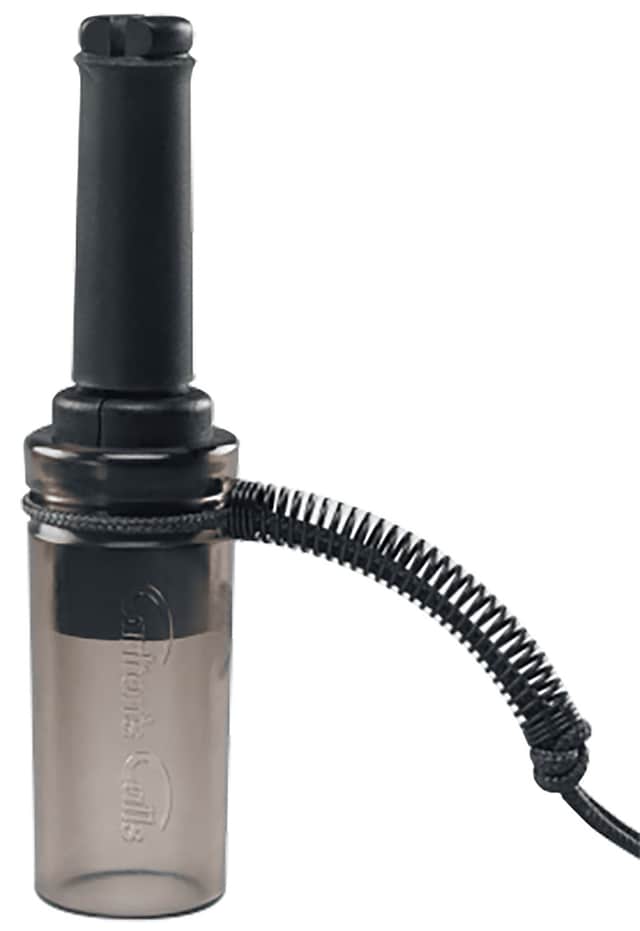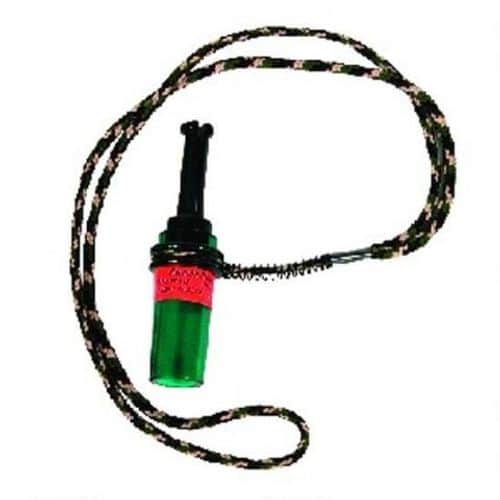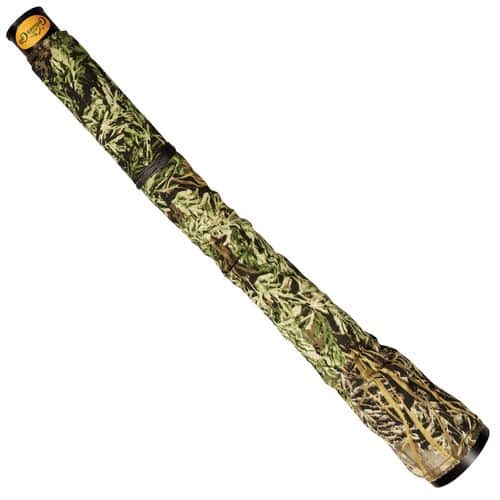









































































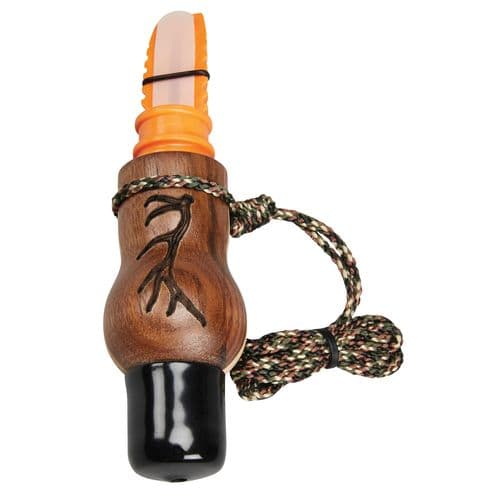

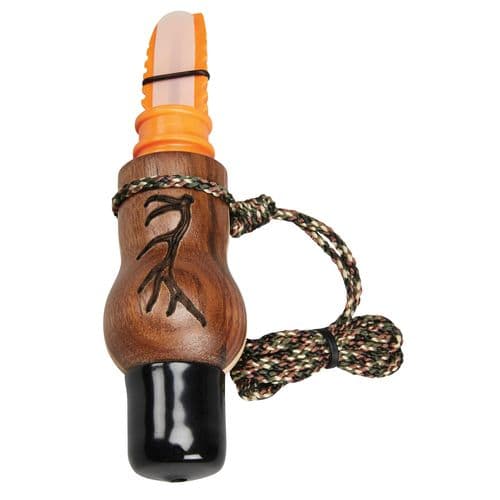
Wayne Carlton's Calls 70168 Whispering Cow Call Open Call Cow Sounds Attracts Elk Natural Walnut/Maple
$14.59
Please Allow 4-5 Business Days for In Store Pickup

Mastering the Elk Woods: An In-Depth Guide to the Wayne Carlton's Calls Whispering Cow Call
For dedicated elk hunters, the ability to communicate with these magnificent animals is paramount to success. While the thrilling bugle of a bull often dominates the conversation, the subtle, enticing sounds of a cow can be equally, if not more, effective in drawing in a wary bull or even a curious cow. This comprehensive guide delves into the specifics of the Wayne Carlton's Calls 70168 Whispering Cow Call, an open-reed call meticulously designed to produce authentic elk cow vocalizations, making it an indispensable tool for anyone serious about elk hunting.
Why Realistic Cow Calls Are Crucial for Elk Hunters
The question often arises: "What's the best way to attract elk, especially during the rut?" While many hunters focus on aggressive bugles to challenge bulls, understanding the nuanced social dynamics of an elk herd reveals the power of the cow call. Cow sounds, ranging from soft mews and chirps to more urgent estrus calls, tap into a bull's innate desire to find cows, protect his harem, or simply investigate a new potential mate or herd member. For hunters seeking to coax a reluctant bull into close range, or to locate a herd, the authentic replication of these sounds is not just beneficial—it's essential.
The Wayne Carlton's Calls Whispering Cow Call excels in this arena. It's not just another elk call; it's a precision instrument crafted to mimic the exact pitches and tones that resonate naturally with elk in their environment. This authenticity is key, as elk are highly attuned to subtle discrepancies in calls, often discerning a fake from a real one in an instant. This particular call is designed for those who understand that successful elk hunting often hinges on a deep understanding of animal behavior and the ability to speak their language convincingly.
Unpacking the Design: Natural Walnut and Maple Construction
One of the standout features of the Wayne Carlton's Calls Whispering Cow Call is its construction from natural walnut and maple. But why are these specific materials chosen, and what benefits do they offer the elk hunter?
- Superior Acoustics: Walnut and maple are renowned in the world of musical instruments for their excellent acoustic properties. When used in a game call, these hardwoods contribute to a rich, resonant tone that closely mimics the natural vibrations of an elk's vocal cords. Unlike synthetic materials that can produce a flat or artificial sound, natural wood provides depth and warmth to the call, making it far more believable to an elk's sensitive hearing. The density and grain structure of walnut and maple create an ideal sound chamber, allowing for a wide range of realistic vocalizations.
- Durability and Longevity: Elk hunting takes place in rugged environments, often under challenging weather conditions. A call made from high-quality hardwoods like walnut and maple is inherently durable, resisting wear and tear from drops, impacts, and exposure to moisture. This ensures the call maintains its integrity and sound quality season after season, making it a reliable investment for years of productive hunts. Hunters don't want their gear failing in critical moments, and the robust construction of this call provides peace of mind.
- Comfort and Ergonomics: Natural wood offers a tactile experience that plastic often cannot match. In cold weather, wood feels warmer to the touch than synthetic materials, making it more comfortable to hold and operate for extended periods. The natural grain and finish also provide a secure grip, even with gloves on, ensuring precise control over the call's sound. The craftsmanship of blending these two woods also adds an aesthetic appeal, making it a handsome piece of hunting gear.
This careful selection of materials is not just about aesthetics; it's a deliberate choice by Wayne Carlton's Calls to enhance performance, ensuring that every sound produced is as authentic and compelling as possible to a wild elk.
The Open Call Advantage: Versatility and Ease of Use
The Wayne Carlton's Calls Whispering Cow Call utilizes an open-reed design. This design choice is a significant factor in the call's versatility and user-friendliness, making it suitable for both novice and seasoned elk callers.
- Versatile Sound Production: An open-reed call allows the user immense control over pitch, volume, and inflection. By varying breath pressure, tongue position, and lip placement, a skilled caller can produce a wide array of cow vocalizations, including:
- Soft Mews: Short, quiet sounds used for general herd communication, reassuring other elk, or making subtle contact. These are invaluable for close-range calling or when working a bull that is already committed.
- Chirps: Slightly more emphatic than mews, often used by cows to locate calves or other herd members.
- Lost Cow Calls: Longer, more plaintive mews or chirps indicating a cow separated from the herd, a sound that can trigger a bull's protective instincts or curiosity.
- Estrus Bellows/Mews: More intense, drawn-out vocalizations from a cow in heat, highly attractive to breeding bulls. The open-reed allows for the subtle "breaks" or inflections that make these sounds highly convincing.
- Ease of Learning and Mastering: While offering professional-level versatility, the open-reed design is relatively straightforward for beginners to pick up. Unlike diaphragm calls that require extensive practice to master, an open-reed call allows hunters to produce credible elk sounds with less initial effort. This lowers the barrier to entry, enabling new elk hunters to quickly become effective callers, thereby enhancing their hunting experience and success rate right from their first season. Experienced callers, meanwhile, can fine-tune their techniques to achieve unparalleled realism and nuance.
The "open call" designation speaks to its ability to emit clear, resonant sounds that carry well through the timber or across vast open meadows, crucial for reaching elk at varying distances.
Practical Applications: When and How to Use the Whispering Cow Call
Knowing what a call does is one thing; understanding how and when to use it effectively is another. The Wayne Carlton's Calls Whispering Cow Call can be integrated into various elk hunting strategies.
Situational Strategies for Using Cow Calls:
- Locating Elk:
- Blind Calling: Before daylight or when moving through new territory, emit a series of soft mews or chirps. Listen for any return vocalizations, even subtle ones. This helps pinpoint elk locations without alarming them.
- After a Bugle: If you hear a bull bugle, respond with a series of enticing cow mews. This can sometimes make a bull curious enough to move towards your position, especially if he thinks there's a new cow joining the area.
- Drawing in Bulls:
- "Lost Cow" Scenario: If you've located a bull but he's hanging up, try a slightly distressed "lost cow" call. This often appeals to a bull's protective or dominant instincts.
- Estrus Mews: During the peak rut, an estrus mew or series of excited cow chirps can be incredibly effective at drawing in a bull looking for a hot cow.
- Passive Calling: Sometimes, less is more. After an initial series of calls, be patient. Often, a bull will silently slip in to investigate the source of the sound.
- Stopping Moving Elk:
- If elk are moving away from you, a sharp, urgent cow call can sometimes stop them momentarily, giving you a chance for a shot. This works by eliciting their natural curiosity or herd instinct.
- Decoy Integration:
- Combine your calling with an elk decoy. The visual of a cow or small bull, paired with realistic vocalizations, can make your setup irresistible to a bull. Call from slightly behind or to the side of the decoy to make the sound appear to be coming from the decoy itself.
Tips for Maximizing Effectiveness:
- Listen and Adapt: Elk hunting is a conversation. Pay attention to how the elk respond (or don't respond) and adjust your calling strategy accordingly.
- Vary Your Calls: Don't just make the same sound repeatedly. Mimic the varied vocalizations of a real herd.
- Be Patient: Sometimes it takes time for an elk to respond or commit. Resist the urge to over-call.
- Consider the Wind: Always be mindful of wind direction. Elk have an incredible sense of smell, and they will typically circle downwind to get your scent. Call from a position where your scent isn't being carried directly to them.
- Practice: Like any skill, calling takes practice. Learn the different sounds the call can make and how to produce them naturally. Practice different sequences and scenarios.
Building Topical Authority: Why Wayne Carlton's Calls Stands Out
The brand Wayne Carlton's Calls carries significant weight within the elk hunting community. Wayne Carlton himself is a legendary figure, known for his deep understanding of elk behavior and his innovative approach to call design. This background imbues the Whispering Cow Call with a level of trust and authority.
What makes this call a trusted option for successful elk hunts?
- Proven Design Philosophy: Wayne Carlton's philosophy centers on creating calls that are acoustically superior and intuitively mimic natural animal sounds. This isn't about gimmicks; it's about replicating what elk actually hear and respond to in the wild.
- Commitment to Realism: Every aspect of the Whispering Cow Call, from its material selection to its open-reed design, is geared towards producing the most authentic cow mews, chirps, and estrus calls possible. This commitment to realism is critical for fooling the highly perceptive ears of a wild elk.
- Hunter-Centric Development: Calls from Wayne Carlton are developed with the hunter in mind, focusing on ease of use, durability in rugged conditions, and consistent performance when it matters most. Hunters across North America have reported increased success rates and more engaging hunting experiences by incorporating these calls into their arsenal.
- Reputation for Quality: When hunters invest in a Wayne Carlton's call, they are investing in a product with a track record of reliability and effectiveness in the field. This confidence allows hunters to focus on the hunt, rather than worrying about their equipment.
For hunters seeking to elevate their elk hunting game, the Wayne Carlton's Calls 70168 Whispering Cow Call provides a distinct advantage, offering the tools to communicate effectively and ethically with one of North America's most iconic big game animals. It's a key component for any hunter aiming for close encounters and memorable experiences in the elk woods.
Care and Maintenance for Your Elk Call
To ensure your Wayne Carlton's Calls Whispering Cow Call performs optimally for many seasons, a few simple care steps are recommended:
- Keep it Clean: After each hunting trip, especially if the call has been exposed to moisture or dirt, gently wipe it down with a clean, dry cloth. Avoid harsh chemicals.
- Store Properly: Store the call in a cool, dry place away from extreme temperatures and direct sunlight. A dedicated call pouch or case can protect it from scratches and impacts during transport.
- Inspect Regularly: Periodically check the reed and the overall body for any damage or debris that might affect the sound. If the reed appears worn, it might be replaceable, consult the manufacturer's guidelines.
- Avoid Submersion: While durable, it's best to avoid fully submerging the wooden call in water, as this can cause the wood to swell, crack, or warp over time.
By following these simple guidelines, your Whispering Cow Call will remain a reliable and effective tool for attracting elk for many hunts to come. This commitment to gear care is part of the broader discipline of responsible and prepared hunting.
Frequently Asked Questions About Elk Cow Calls
Q: "When is the best time of year to use a cow call for elk?"
A: Cow calls are effective throughout the elk hunting season, but their effectiveness peaks during the rut (late September through early October) when bulls are actively seeking cows. However, soft mews and chirps can be used effectively in early season for locating herds or in late season for calling in cows or calves.
Q: "Can I use this call in conjunction with a bugle call?"
A: Absolutely! Combining cow calls with bugles is a highly effective strategy. You might start with a bugle to challenge a bull, then follow up with enticing cow mews to make him believe a receptive cow is nearby. Alternatively, use cow calls to bring a bull closer, and if he hangs up, a soft bugle might just seal the deal.
Q: "Is this call suitable for beginner elk hunters?"
A: Yes, the open-reed design of the Wayne Carlton's Calls Whispering Cow Call makes it relatively easy for beginners to produce realistic elk sounds quickly. While mastery comes with practice, new hunters will find it intuitive to use and effective from their very first outing.
Q: "How does the walnut and maple construction benefit the call's sound?"
A: Natural hardwoods like walnut and maple offer superior acoustic properties compared to synthetic materials. They provide a richer, more resonant, and authentic tone, mimicking the natural vibrations of an elk's vocal cords more closely. This natural sound is crucial for convincing wary elk.
Q: "What makes Wayne Carlton's Calls a reputable brand for elk calls?"
A: Wayne Carlton is a legendary figure in elk hunting, known for his deep understanding of elk behavior and call design. His brand is recognized for its commitment to realism, durability, and hunter-centric product development, resulting in calls that consistently perform in the field and are trusted by experienced hunters. This reputation is built on years of successful design and application in real hunting scenarios.
Product Specifications
For those ready to enhance their elk hunting arsenal, the Wayne Carlton's Calls Whispering Cow Call represents an investment in quality and effectiveness. This product, like many other high-quality hunting accessories, is available at DEGuns, a trusted source for outdoor enthusiasts.
| Feature | Detail | UPC |
|---|---|---|
| Product Type | Open Call Cow Call | |
| Manufacturer | Wayne Carlton's Calls | |
| Model Number | 70168 | |
| Sound Produced | Cow Sounds (Mews, Chirps, Estrus) | |
| Primary Use | Attracts Elk | |
| Construction | Natural Walnut/Maple Wood | |
| UPC | 021291701681 |
Specifications
Explore the specific details and characteristics
- SKU
- 70168
- UPC
- 021291701681
- MPN
- 70168