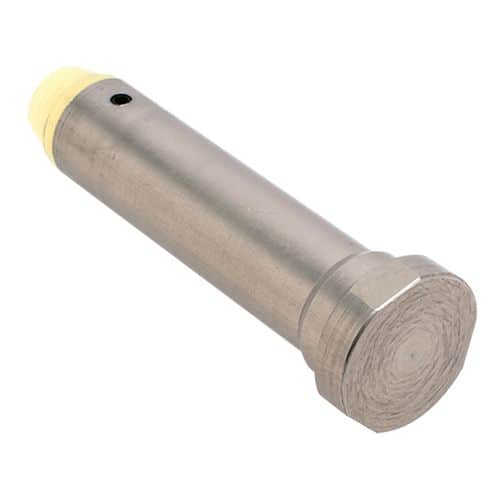





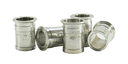
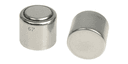












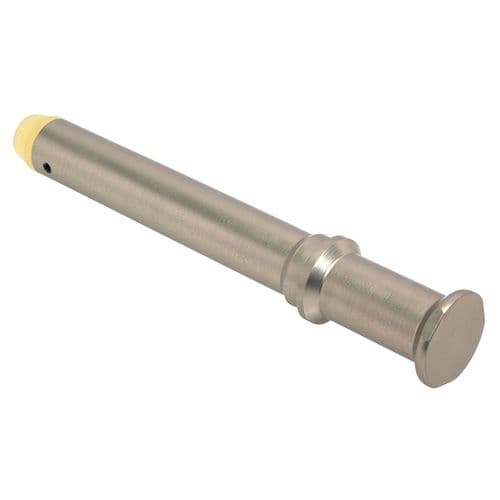

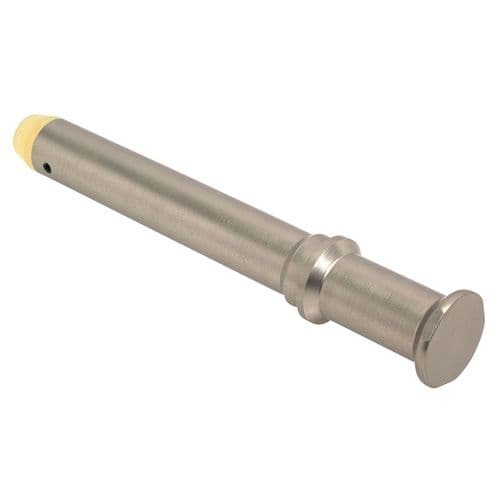
CMMG 55CA9A7 AR15 Buffer Assembly Stainless Steel
$27.79
Please Allow 4-5 Business Days for In Store Pickup

Elevating Your AR-15's Performance: The Essential Role of a Quality Buffer Assembly
For any AR-15 owner, builder, or enthusiast, understanding the intricate mechanics of your firearm is key to unlocking its full potential. Among the myriad components that ensure reliable operation, the buffer assembly stands out as a critical, yet often overlooked, element. This detailed exploration delves into why a high-quality buffer assembly, such as the CMMG 55CA9A7 Stainless Steel Buffer Assembly, is not just a part, but a performance enhancer for your AR-15 platform rifle.
What is an AR-15 Buffer Assembly and Why is it Indispensable?
At its core, an AR-15 buffer assembly is a pivotal component found within the buffer tube (or receiver extension) of your rifle's lower receiver. Its primary function is to manage the recoil impulse and control the cycling of the bolt carrier group (BCG) as it moves back and forth. Think of it as the shock absorber for your AR-15's operating system.
The buffer assembly consists of two main parts: the buffer itself and the buffer spring. While the spring provides the force to push the BCG forward into battery, the buffer's weight and design are crucial for:
- Controlling Recoil: A properly weighted buffer helps to dampen the rearward momentum of the BCG, resulting in a smoother recoil impulse. This translates to a more comfortable shooting experience and quicker follow-up shots.
- Regulating Cyclic Rate: By influencing the speed at which the BCG travels, the buffer plays a direct role in the rifle's cyclic rate. For competitive shooters or those focused on rapid firing, this can be a significant factor.
- Ensuring Reliable Cycling: It helps prevent both "short stroking" (where the BCG doesn't travel far enough rearward to fully cycle) and "over-gassing" (where the BCG travels too fast, causing excessive wear or malfunctions).
- Reducing Component Wear: By absorbing kinetic energy and providing a consistent cushioning effect, the buffer minimizes impact forces on vital components like the bolt, carrier, and lower receiver, thereby extending their lifespan.
Many new AR-15 owners often ask, "Do I really need to worry about my buffer?" The answer is unequivocally yes. It's not just a generic metal cylinder; it's a precisely weighted component that significantly impacts your rifle's reliability, feel, and longevity. A well-matched buffer system is fundamental for optimal gas system tuning, preventing common malfunctions, and enhancing the overall shooting experience.
Common AR-15 Malfunctions Solved by Optimizing Your Buffer
Experiencing issues with your AR-15? Many common malfunctions can be traced back to an improperly matched or low-quality buffer system. If you're encountering any of the following, consider upgrading or evaluating your buffer:
- Failure to Eject (FTE): This often indicates the bolt carrier group isn't traveling far enough rearward or isn't moving with enough velocity to reliably extract and eject the spent casing. This can be a sign of an under-gassed system or a buffer that's too heavy for your setup.
- Failure to Feed (FTF): If your rifle consistently fails to strip a new round from the magazine and chamber it, it could be due to the bolt carrier group returning to battery too slowly or with insufficient force. Conversely, too much force can cause nose-dives.
- Excessive Recoil and Muzzle Rise: While some recoil is inevitable, an AR-15 that feels overly "snappy" or exhibits significant muzzle rise often benefits from a heavier buffer, which can spread out the recoil impulse over a longer duration.
- Premature Component Wear: Battered bolt lugs, deformed buffer retaining pins, or excessive wear marks on the buffer tube are strong indicators of an operating system that's cycling too violently, often due to being over-gassed with too light a buffer.
- Erratic Ejection Patterns: The direction and consistency of brass ejection can be a tell-tale sign of your rifle's gas system and buffer tuning. For example, brass ejecting far forward (1-2 o'clock) might suggest over-gassing and a need for a heavier buffer, while erratic or weak ejection (5 o'clock or inconsistent) might suggest an under-gassed system or a buffer that's too heavy.
Optimizing your buffer assembly is a fundamental step in diagnosing and resolving these performance hindrances, leading to a smoother, more reliable, and ultimately more enjoyable shooting experience.
The CMMG 55CA9A7 Stainless Steel Buffer Assembly: Engineered for Excellence
When it comes to upgrading or building a reliable AR-15, components from reputable manufacturers like CMMG are paramount. The CMMG 55CA9A7 AR-15 Buffer Assembly, crafted from durable stainless steel, exemplifies precision engineering designed for the discerning shooter. This specific buffer (often referred to as a "carbine buffer" in many configurations, though its specific weight should be verified for precise application) is a testament to CMMG's commitment to quality and longevity.
Key Attributes and Benefits of the CMMG Stainless Steel Buffer:
- Superior Material Construction: Unlike standard buffers that might use various metals or polymer, this CMMG buffer is made entirely of stainless steel. What does this mean for you?
- Exceptional Durability: Stainless steel is renowned for its strength and resistance to wear and tear, even under rigorous and sustained firing conditions. This translates to a longer service life for your buffer.
- Corrosion Resistance: Stainless steel inherently resists rust and corrosion, an important consideration for firearms that might be exposed to moisture, varying climates, or cleaning solvents. This helps maintain consistent performance over time.
- Consistent Weight and Performance: The uniform density of stainless steel ensures consistent weight distribution, which is critical for predictable cycling and recoil management.
- Precision Engineering for Optimal Function: CMMG manufactures its components to strict tolerances. This precision ensures that the buffer slides smoothly within the buffer tube, minimizing friction and contributing to a flawless cycling action. It prevents binding or erratic movement that could otherwise lead to malfunctions.
- Reliability in Diverse Configurations: While often a standard weight for carbine-length gas systems, the CMMG 55CA9A7 is designed to provide reliable operation across a wide range of AR-15 builds, from patrol rifles to sporting firearms. Its robust construction makes it suitable for demanding use.
- The CMMG Advantage: CMMG has built a solid reputation in the firearms industry for producing high-quality, dependable AR-platform components and complete firearms. Choosing a CMMG buffer means investing in a part backed by years of manufacturing expertise and a commitment to performance.
For those building a new AR-15, replacing worn-out components, or simply seeking to fine-tune their rifle for smoother operation, the CMMG 55CA9A7 Stainless Steel Buffer Assembly offers a robust and reliable solution. It's a foundational piece for achieving the consistent performance you expect from a premium AR-15.
Choosing the Right Buffer Weight: A Primer for AR-15 Owners
One of the most common questions AR-15 owners ask is, "What buffer weight do I need?" The answer isn't always straightforward, as it depends on several factors specific to your rifle's configuration. The goal is to match the buffer weight to your gas system, barrel length, and ammunition choice to achieve optimal reliability and recoil impulse.
Standard buffer weights typically include:
- Carbine (Standard): Usually weighs around 3.0 oz. This is the lightest common buffer and often comes standard in many AR-15s with carbine-length gas systems.
- H Buffer: Weighs approximately 3.8 oz. Contains one heavy tungsten insert. Often used to slightly slow down the BCG for over-gassed carbines or for smoother recoil.
- H2 Buffer: Weighs around 4.7 oz. Contains two heavy tungsten inserts. A popular choice for many mid-length gas systems or significantly over-gassed carbine systems, especially when running suppressed.
- H3 Buffer: Weighs approximately 5.6 oz. Contains three heavy tungsten inserts. Typically used for short-barreled rifles (SBRs) or extremely over-gassed systems, particularly with suppressors.
- Rifle Buffer: Weighs around 5.0 oz. Used in rifles with fixed A2-style rifle stocks and rifle-length buffer tubes.
Factors to Consider When Selecting Your Buffer:
- Gas System Length (Carbine, Mid-length, Rifle): This is the most critical factor. Longer gas systems (mid-length, rifle) are generally less abusive to the BCG and may tolerate lighter buffers, while shorter systems (carbine, pistol) are often more over-gassed and benefit from heavier buffers.
- Barrel Length: Shorter barrels usually mean higher gas port pressures and benefit more from heavier buffers to mitigate excessive cyclic rates and recoil.
- Ammunition Type: Hotter ammunition loads produce more gas and impulse, potentially requiring a heavier buffer.
- Suppressor Use: Suppressors significantly increase backpressure, making the system effectively more over-gassed. A heavier buffer (H2 or H3) is almost always recommended when running an AR-15 suppressed.
- Caliber: While the AR-15 platform is versatile, different calibers (e.g., 5.56 NATO, .300 Blackout, 9mm PCC) have vastly different operating pressures and may require specific buffer weights or even specialized buffer designs.
- Personal Preference and Recoil Management: Ultimately, the "best" buffer can also come down to what feels best to the shooter. Some prefer a sharper, faster recoil impulse, while others seek the softest possible push.
The CMMG 55CA9A7 buffer, being a standard stainless steel weight, is often a direct replacement for or an upgrade over a generic carbine buffer. If you're building a new carbine-length AR-15 or looking to replace a worn factory buffer, it's an excellent starting point for reliability and durability. For fine-tuning, you might experiment with different buffer weights based on your rifle's unique characteristics.
Installation and Maintenance: Keeping Your AR-15 Running Smoothly
Installing or replacing an AR-15 buffer assembly is one of the simplest maintenance tasks you can perform, requiring no specialized tools beyond perhaps a sturdy workbench and a punch for the buffer retaining pin.
Basic Installation Steps:
- Ensure Safety: Always ensure your firearm is unloaded, chamber empty, and magazine removed before beginning any work.
- Remove Upper Receiver: Separate the upper receiver from the lower receiver by pulling the takedown and pivot pins.
- Depress Buffer Retaining Pin: With the bolt carrier group removed, gently push down on the buffer retaining pin inside the buffer tube.
- Remove Old Buffer and Spring: Carefully remove the buffer and spring from the buffer tube. Be mindful of the spring tension.
- Insert New Buffer and Spring: Compress the new buffer spring and insert it into the buffer tube, followed by the CMMG 55CA9A7 Stainless Steel Buffer.
- Re-engage Retaining Pin: As you push the buffer in, ensure it clears the buffer retaining pin, allowing the pin to pop up and hold the buffer in place.
- Reassemble: Reinstall the bolt carrier group and reattach the upper receiver to the lower receiver.
- Function Check: Perform a basic function check to ensure the rifle cycles correctly (without live ammunition).
Maintenance Tips:
- Regular Inspection: Periodically inspect your CMMG buffer for signs of wear, such as chips, dents, or excessive scoring. While stainless steel is highly durable, a heavily used rifle will eventually show some wear.
- Cleanliness: Keep the inside of your buffer tube clean and free of carbon buildup or debris. A clean, lightly lubricated buffer tube ensures smooth operation.
- Buffer Spring Inspection: Always inspect your buffer spring for kinks, corrosion, or significant compression set. A worn spring can negate the benefits of a quality buffer. Replace springs as needed.
By incorporating these simple maintenance practices, you'll ensure your CMMG Stainless Steel Buffer Assembly continues to deliver consistent, reliable performance for years to come.
Who Stands to Gain from a CMMG Stainless Steel Buffer Assembly?
The CMMG 55CA9A7 Stainless Steel Buffer Assembly is a valuable addition for a diverse range of AR-15 enthusiasts:
- First-Time AR-15 Builders: If you're embarking on your first AR-15 lower receiver build, starting with high-quality components like this CMMG buffer ensures a solid foundation for reliability. It removes guesswork about the buffer's quality, allowing you to focus on other aspects of your build.
- Existing AR-15 Owners Seeking Upgrades: If your current rifle came with a generic buffer, or if you're experiencing any of the cycling issues mentioned above, upgrading to a precision-machined stainless steel CMMG buffer can significantly improve performance and longevity.
- Shooters Prioritizing Durability and Longevity: For high-volume shooters, competitive shooters, or those whose rifles see heavy use, the robust construction of a stainless steel buffer offers superior resistance to wear compared to lighter materials.
- Individuals Building a "Go-To" Reliable Rifle: If your AR-15 is intended for critical applications where reliability is non-negotiable, investing in top-tier internal components like this CMMG buffer is a wise decision.
- Anyone Looking to Optimize Recoil and Feel: Even if your rifle functions reliably, a properly weighted and high-quality buffer can refine the recoil impulse, making for a more pleasant and controllable shooting experience.
Why Choose CMMG and Where to Find Your Upgrade
CMMG has established itself as a trusted name in the AR-15 world, synonymous with innovation and quality. Their commitment to manufacturing reliable components is evident in products like the 55CA9A7 Stainless Steel Buffer Assembly. When you choose CMMG, you're not just buying a part; you're investing in the proven performance and durability that comes from a brand dedicated to the AR platform.
For those looking to enhance their AR-15 with this essential component, the CMMG 55CA9A7 AR-15 Buffer Assembly (UPC: 815835013510) is readily available at reputable retailers like DEGuns. DEGuns offers a wide selection of AR-15 parts and accessories, ensuring you can find everything you need to build, upgrade, and maintain your rifle with confidence. Investing in a quality buffer assembly is a small step that yields significant dividends in the overall performance, reliability, and longevity of your AR-15. Make the smart choice for your rifle's heart.
| Feature | Detail | Benefit |
|---|---|---|
| Brand | CMMG | Trusted name in AR-Platform components |
| Model | Buffer Assembly | Core component for AR-15 cycling |
| Material | Stainless Steel | Exceptional durability and corrosion resistance |
| Type | Buffer | Manages recoil and cycling |
| Gun Style | AR-Platform | Designed specifically for AR-15 rifles |
| SKU | 48561 | Manufacturer's Stock Keeping Unit |
| MPN | 55CA9A7 | Manufacturer's Part Number |
| UPC | 815835013510 | Universal Product Code for identification |
Specifications
Explore the specific details and characteristics
- CATEGORY
- STOCKS AND FORENDS
- BRAND
- CMMG
- MODEL
- Buffer Assembly
- TYPE
- BUFFER
- FIREARM TYPE
- BUFFER ASSEMBLY
- MATERIAL
- STAINLESS STEEL
- FINISH
- STAINLESS STEEL
- RAILS
- STAINLESS STEEL
- SKU
- 48561
- UPC
- 815835013510
- MPN
- 55CA9A7