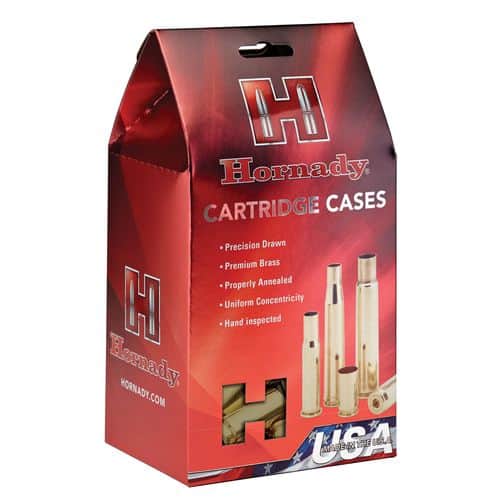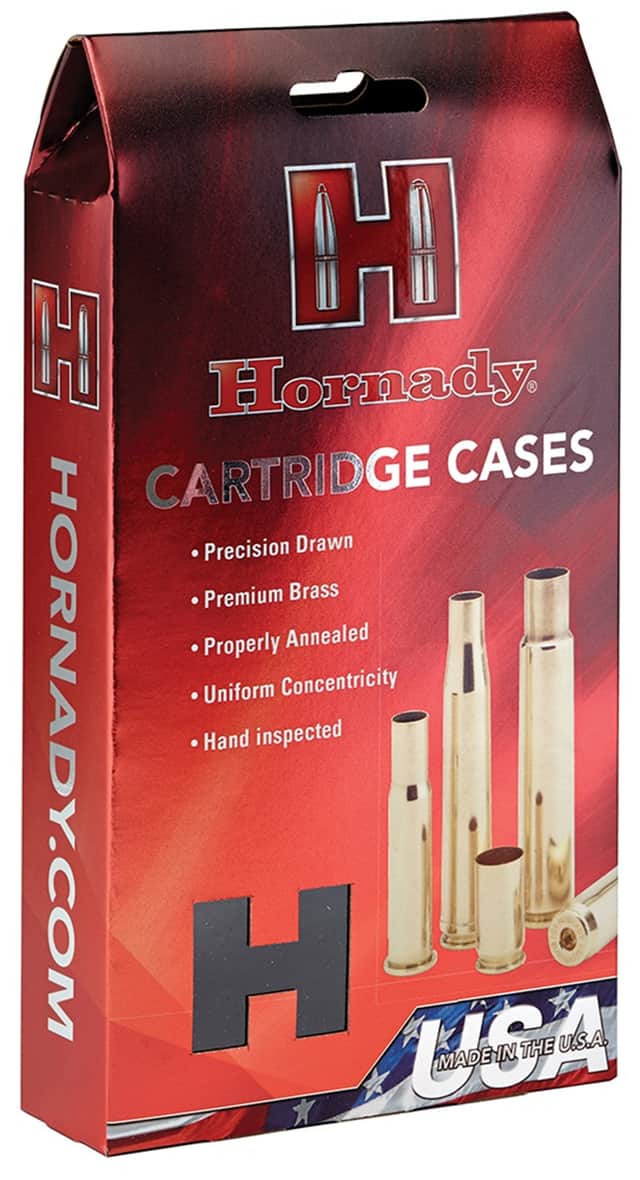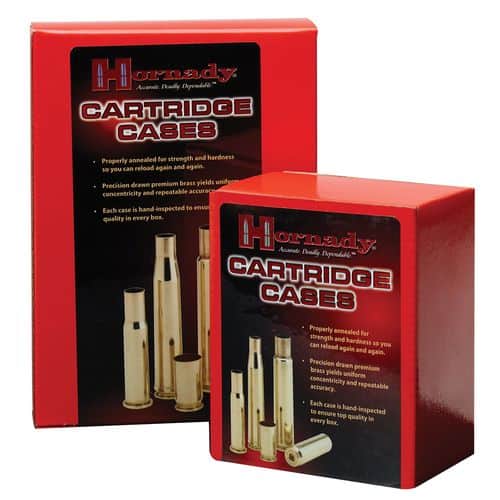






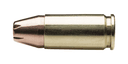
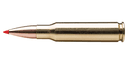















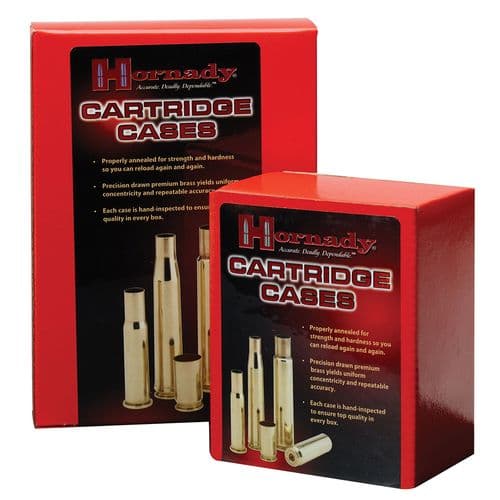

Hornady 8741 Unprimed Cases 358 Win Rifle Brass 50
$0.00
Please Allow 4-5 Business Days for In Store Pickup

The Ultimate Guide to Hornady .358 Winchester Unprimed Rifle Brass: Elevate Your Reloading Precision
Are you an avid marksman, a dedicated hunter, or a meticulous handloader constantly striving for the pinnacle of ammunition performance? Do you find yourself asking, "What is the best way to achieve unparalleled accuracy and consistency from my .358 Winchester rifle?" or "How can I produce custom ammunition tailored precisely to my rifle's unique characteristics and my specific shooting needs?" Look no further than Hornady .358 Winchester Unprimed Rifle Brass, a cornerstone for anyone serious about crafting superior handloads.
This comprehensive guide delves into why Hornady unprimed cases are the preferred choice for discerning reloaders and how they can unlock the full potential of your .358 Win firearm, whether you're chasing elusive game or ringing steel at the range.
Why Choose Unprimed Brass for .358 Winchester?
For many shooters, the journey into reloading begins with understanding the core components of a cartridge. While factory ammunition offers convenience, it often represents a compromise. Unprimed brass, specifically designed for reloading, provides the foundational element for crafting bespoke ammunition. But why is this so crucial, especially for a potent cartridge like the .358 Winchester?
- Unmatched Customization: Starting with unprimed brass allows you to meticulously select every other component – the primer, the powder type and charge, and the bullet weight and style. This level of control is essential for fine-tuning ammunition to your specific rifle's chamber, bore, and twist rate, optimizing for accuracy, velocity, and terminal performance.
- Cost Efficiency: Over time, reloading your own ammunition significantly reduces shooting costs. While the initial investment in equipment can be substantial, the long-term savings on components, especially brass, make it a wise economic decision for high-volume shooters.
- Consistency and Quality Control: By handloading, you gain direct control over the manufacturing process. You can ensure uniform case length, consistent neck tension, and precise powder charges, leading to superior shot-to-shot consistency compared to mass-produced factory rounds.
- Availability: In times of ammunition shortages, having the ability to reload your own rounds from readily available components can keep you shooting when others are sidelined.
- Specialized Loads: Do you need a specific load for a particular hunting scenario? Perhaps a subsonic load for suppressed shooting, or a precision load for long-range target work? Unprimed brass gives you the freedom to experiment and develop loads that simply aren't available off the shelf.
The .358 Winchester Cartridge: A Versatile Powerhouse
The .358 Winchester is a fascinating and often underappreciated rifle cartridge. Introduced in 1955, it was Hornady's attempt to bring a potent, medium-bore, big-game cartridge to popular short-action rifle platforms. Based on the venerable .308 Winchester case necked up to accept a .358-inch diameter bullet, it offers a significant increase in bullet diameter and weight while maintaining manageable recoil and excellent ballistic performance at moderate ranges.
Key characteristics that make the .358 Winchester compelling:
- Ideal for Medium to Large Game: With typical bullet weights ranging from 180 to 250 grains, the .358 Winchester delivers substantial knockdown power for deer, elk, black bear, and even moose at practical hunting distances.
- Brush Gun Excellence: Its larger bullet diameter and moderate velocities mean it performs exceptionally well in dense cover, where bullet deflection can be an issue with smaller, faster projectiles. It shines in lever-action rifles and compact carbines.
- Moderate Recoil: Despite its power, the .358 Winchester's recoil is generally manageable, especially when compared to larger magnum cartridges, making it more pleasant for extended shooting sessions or for shooters sensitive to heavy recoil.
- Versatility in Bullet Choice: The .358 diameter offers a wide array of bullet designs, from expanding soft points and bonded bullets for hunting to cast bullets for plinking or reduced loads.
For those who appreciate cartridges with a rich history and practical applications, reloading the .358 Winchester is not just a hobby, it's an enhancement of the shooting experience.
Hornady Quality: The Foundation of Precision Reloading
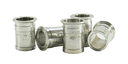
When it comes to unprimed rifle brass, not all cases are created equal. Hornady, a name synonymous with innovation and quality in the ammunition industry, sets a high bar. The Hornady 8741 .358 Win Unprimed Cases (50-count) are engineered to provide reloaders with a consistent, reliable, and durable foundation for their custom ammunition.
What sets Hornady brass apart and why is it trusted by countless precision shooters and hunters worldwide?
- Exceptional Consistency: Hornady brass undergoes rigorous quality control checks at every stage of manufacturing. This ensures that each case within a batch exhibits uniform wall thickness, consistent internal volume, and precise external dimensions. Why is this critical? Consistent internal volume directly impacts powder charge consistency and, consequently, velocity and pressure uniformity, which are paramount for tight groups.
- Superior Durability: Crafted from high-quality cartridge brass (an alloy of copper and zinc), Hornady cases are designed to withstand multiple firing and reloading cycles. Their annealing process is meticulously controlled to achieve the optimal balance of hardness and ductility in different areas of the case. The case neck needs to be soft enough to expand and contract repeatedly without cracking, while the case head needs to be hard enough to resist stretching and maintain primer pocket integrity. This durability translates to a longer case life, providing more reloads per case and further enhancing cost savings.
- Precise Manufacturing Tolerances: Hornady manufactures its brass to extremely tight specifications, often exceeding SAAMI (Sporting Arms and Ammunition Manufacturers' Institute) standards. This precision ensures that cases fit chambers correctly, resist issues like blown primers or case head separation, and contribute to overall ammunition safety and performance.
- Case Consistency for Optimal Performance: From the meticulously drawn walls to the precisely formed case mouth, every detail is engineered to perform. This consistency reduces flyers and improves the statistical probability of more shots hitting your desired point of impact. For hunters, this means more ethical shots; for target shooters, higher scores.
- Reliable Primer Pockets: The primer pocket is a critical area. Hornady brass features precisely formed primer pockets designed for consistent primer seating, ensuring reliable ignition every time. Loose or inconsistent primer pockets can lead to misfires or, worse, dangerous pressure excursions.
The Reloading Journey with Hornady .358 Win Brass
So, you have your Hornady 8741 unprimed cases. What's next in the handloading process to transform these components into precision ammunition? While the full reloading process is extensive, here's a simplified overview focusing on the role of unprimed brass:
- Case Inspection and Preparation:
- Initial Inspection: Examine each Hornady case for any manufacturing defects or shipping damage. While rare, it's a good practice.
- Sizing (Full-Length or Neck Sizing): Even new brass can benefit from a light sizing pass to ensure dimensions are perfectly concentric and within specifications for your rifle's chamber. For new, unprimed brass, a full-length sizing die will standardize the case dimensions.
- Trimming: Cases stretch with firing and sizing. While new Hornady brass comes to specific lengths, it’s good practice to verify uniform length, especially if you intend to optimize for consistency. Trim if necessary to achieve consistent case length, which is crucial for uniform crimping and preventing bullet crimp jump.
- Chamfering and Deburring: After trimming, the case mouth should be chamfered (inner edge beveled) and deburred (outer edge smoothed) to allow for smooth bullet seating and to prevent bullet damage or shaving.
- Primer Pocket Uniforming (Optional but Recommended): While Hornady primer pockets are consistent, some reloaders will use a primer pocket uniformer to ensure the pocket is perfectly square and to depth, enhancing primer seating consistency.
- Flash Hole Deburring (Optional): Deburring the flash hole can remove any burrs that might impede consistent primer ignition.
- Priming:
- This is where the "unprimed" brass truly comes alive. Using a priming tool (either on your press or a standalone unit), carefully seat the correct large rifle primer (e.g., CCI 200, Federal 210, or suitable magnum primers for specific loads) into the primer pocket. Proper seating is critical: the primer should be slightly below flush with the case head.
- Powder Charging:
- Using a precise powder measure and scale, dispense the carefully chosen propellant charge into each case. This is arguably the most critical step for safety and accuracy. Always consult reliable reloading manuals (like Hornady's 11th Edition Handbook of Cartridge Reloading) for appropriate powder types and charge weights for your chosen bullet and .358 Winchester cartridge.
- Bullet Seating:
- Place the chosen .358 diameter bullet into the case mouth. Using a bullet seating die on your reloading press, seat the bullet to the specified Overall Length (OAL) as per your reloading manual or custom measurements for your rifle. Consistent OAL is vital for feeding, chambering, and achieving uniform pressure and velocity.
- Crimping (Optional):
- For rifle cartridges like the .358 Winchester, particularly those used in tubular magazines (like lever-actions) or for heavy-recoiling loads, a crimp can be applied to hold the bullet firmly in place, preventing it from moving under recoil. Roll crimps or taper crimps are common. Always ensure the crimp does not deform the bullet or overstress the case mouth.
By following these steps, you transform Hornady's premium unprimed brass into precision-loaded ammunition perfectly suited for your needs.
Answering Your Questions: Hornady .358 Win Brass in Focus
"Is reloading .358 Winchester difficult for a beginner?"
While reloading requires attention to detail and adherence to safety protocols, it's a rewarding process accessible to beginners. Starting with high-quality components like Hornady 8741 unprimed cases simplifies the process, as you're working with a reliable foundation. Invest in a good reloading manual (Hornady's own is excellent), follow instructions meticulously, and start with low-volume practice to build confidence.
"What kind of performance can I expect from reloading .358 Win with Hornady brass?"
With proper load development using Hornady brass, you can expect superior accuracy and consistency compared to most factory ammunition. Users often report tighter groups and more predictable ballistic performance due to the uniformity of components and the ability to tailor loads. For hunting, this translates to more precise shot placement and efficient game harvesting. For target shooting, it means improved scores and reduced frustration from inconsistent shots. Many experienced reloaders attest to achieving sub-MOA accuracy with carefully crafted .358 Winchester loads.
"How many times can I reload Hornady .358 Win brass?"
The longevity of your Hornady brass depends on several factors: the powder charge (higher pressure loads stress cases more), the fit of the case in your rifle's chamber, proper sizing techniques (minimal sizing prolongs life), and whether you anneal your cases. Many reloaders report getting 10-20 or even more reloads from quality Hornady rifle brass before issues like split necks or loose primer pockets necessitate retirement. Regular inspection for cracks or signs of fatigue is key.
"Where can I find reliable reloading data for .358 Winchester?"
Always consult multiple, reputable reloading manuals. The Hornady Handbook of Cartridge Reloading is an excellent resource, providing extensive data specifically for Hornady bullets and components, including their brass. Other trusted sources include Lyman, Nosler, and Sierra manuals. Online resources from powder manufacturers (e.g., Hodgdon, Alliant) also provide tested load data. Never rely solely on internet forums for load data; always cross-reference with published manuals.
Elevate Your Shooting Experience with Hornady
The pursuit of shooting excellence is a continuous journey of learning and refinement. For the .358 Winchester enthusiast, choosing Hornady 8741 Unprimed Cases is a definitive step towards achieving that excellence. These cases represent more than just raw material; they embody Hornady's commitment to precision, durability, and the success of every handloader.
By starting with the best possible foundation, you minimize variables and maximize your potential for creating custom ammunition that performs exactly as you intend. Whether you're chasing the trophy buck of a lifetime, perfecting your technique on the range, or simply enjoying the satisfaction of crafting your own ammunition, Hornady .358 Win Unprimed Rifle Brass provides the consistency and quality you need to succeed.
Invest in your passion and elevate your shooting performance. All Hornady reloading components, including the 8741 .358 Winchester Unprimed Rifle Brass, are readily available at DEGuns. Visit DEGuns.com today to secure your supply and embark on your journey to unparalleled reloading precision.
Hornady .358 Win Unprimed Brass Specifications
| Feature | Description | Quantity |
|---|---|---|
| Product Type | Unprimed Rifle Brass | 50 Count |
| Cartridge | .358 Winchester | |
| Manufacturer | Hornady | |
| SKU/Part No. | 8741 | |
| Material | High-Quality Brass Alloy | |
| Availability | DEGuns.com |
Specifications
Explore the specific details and characteristics
- SKU
- 17591