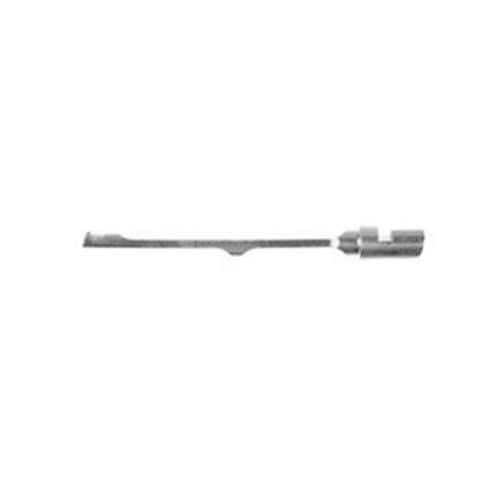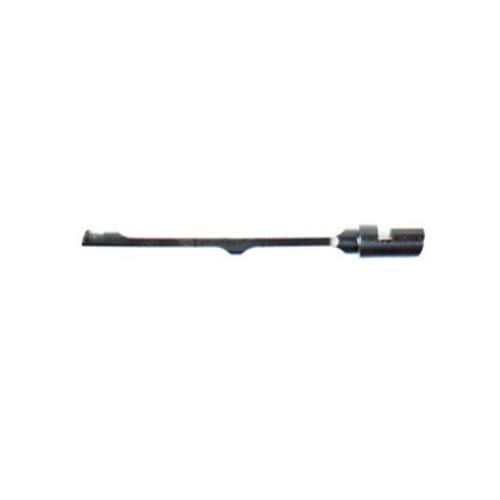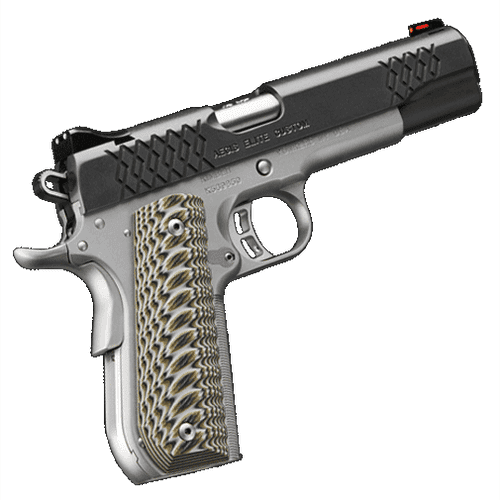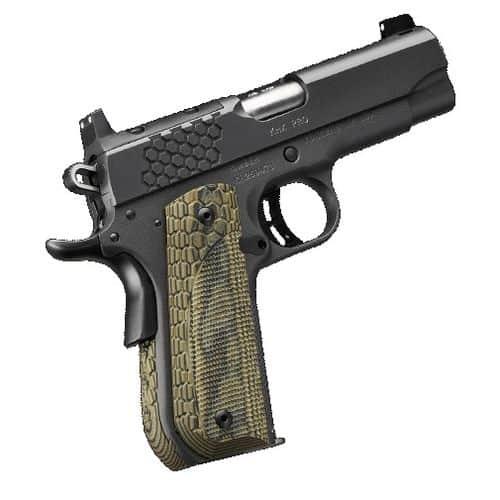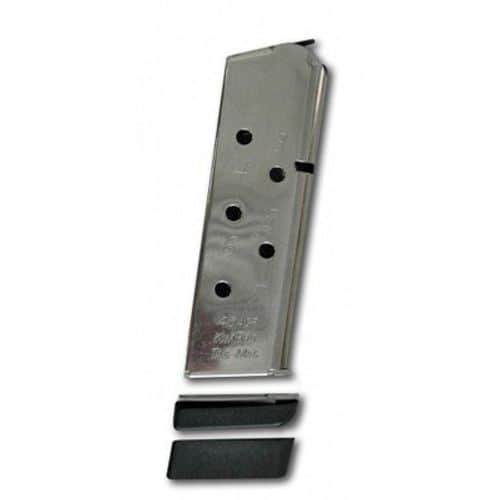






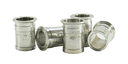




















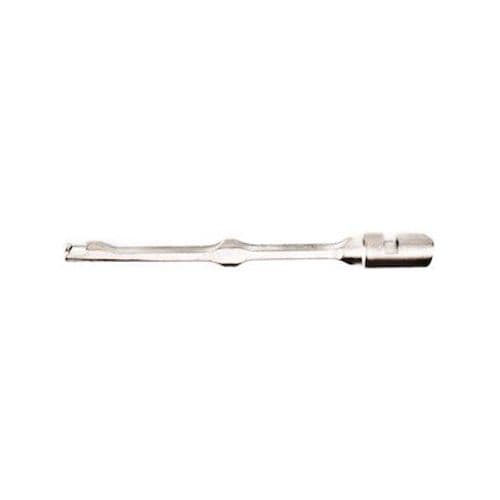

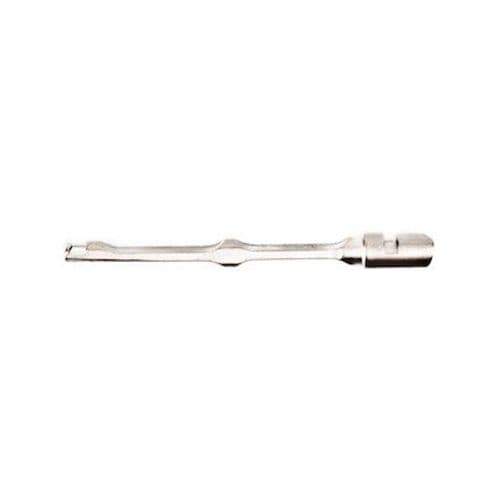
Kimber Extractor Nickel .45
$29.99
$42.99

Optimizing Your 1911's Performance: The Essential Role of a Quality Extractor
When it comes to the legendary 1911 pistol, every component plays a crucial role in its reliability and performance. Among these, the extractor stands as one of the most critical, directly impacting the firearm's ability to cycle ammunition smoothly and consistently. For discerning owners of Kimber and Series 70 style 1911 models chambered in .45 ACP, a high-quality, precision-engineered external extractor is not just an upgrade, but a vital element for ensuring flawless operation. This detailed guide explores the importance of the extractor, the specific benefits of a nickel-finished external extractor, and why choosing a meticulously crafted part like the Kimber .45 ACP Nickel Extractor (SKU 1000308) can elevate your shooting experience.
Understanding the 1911 Extractor: The Heart of Reliable Cycling
What exactly is an extractor, and why is it so vital? In semi-automatic firearms, after a round is fired, the spent casing must be removed from the chamber to allow a new round to be loaded. This is the primary job of the extractor. It’s a small, hook-like component typically located within the slide that grips the rim of the cartridge case. As the slide moves rearward after firing, the extractor pulls the spent casing out of the chamber and holds it until it hits the ejector, which then expels the casing from the firearm's ejection port. Without a properly functioning extractor, your pistol cannot reliably cycle, leading to frustrating and potentially dangerous malfunctions.
The 1911 platform, specifically, has seen variations in extractor design: internal and external. While traditional 1911s used an internal extractor (a long, leaf-spring-like component housed within the slide), many modern iterations, including most Kimber models, utilize an external extractor. This external design is often praised for its ease of maintenance and consistency when manufactured to high standards. For owners of Kimber or Series 70 style 1911 pistols in .45 ACP, opting for a quality external extractor is essential for maintaining or improving the firearm's intrinsic reliability.
Who Needs This Extractor? Identifying the Problem Solved
This specific nickel extractor is engineered for anyone who owns or works on a Kimber or Series 70 style 1911 pistol chambered in .45 ACP. If you've ever experienced issues like:
- Failure to Extract (FTE): The spent casing remains in the chamber, preventing the next round from feeding.
- Stovepipes: The spent casing gets trapped vertically in the ejection port, resembling a "stovepipe."
- Erratic Ejection: Casings are thrown inconsistently, sometimes weakly, sometimes directly at the shooter.
- Lack of Reliability: Frequent malfunctions during range sessions or critical moments.
...then your extractor might be worn, out of spec, or in need of replacement. This high-quality nickel extractor is the precise solution for restoring or enhancing the smooth, reliable cycling that the 1911 is renowned for. It’s an indispensable component for:
- Competitive Shooters: Where every second and every shot counts, reliability is paramount.
- Concealed Carry/Self-Defense Users: Your life may depend on your firearm's flawless operation.
- 1911 Enthusiasts & Collectors: Maintaining a classic firearm with factory-spec or superior components.
- Gunsmiths: For repairs, routine maintenance, or custom builds.
- Anyone performing a routine maintenance overhaul: proactive replacement of wear parts.
Investing in a premium component like this ensures your .45 ACP 1911 performs at its peak, whether for precision target shooting, self-defense scenarios, or simply enjoying a trouble-free day at the range.
The Demands of the .45 ACP Caliber
The .45 ACP cartridge, known for its substantial stopping power and manageable recoil, also presents unique demands on a firearm's extraction system. The larger case dimensions and robust nature of the cartridge require an extractor with sufficient grip and strength to consistently pull and eject the spent brass. An undersized, weakened, or improperly tensioned extractor can quickly lead to the aforementioned malfunctions, turning a powerful and reliable handgun into a source of frustration. This particular nickel extractor is designed to meet and exceed the rigorous demands of the .45 ACP, ensuring tenacious grip and consistent performance.
Unpacking the Benefits of a Quality Nickel Extractor
Choosing a quality external extractor, especially one with a nickel finish, offers a multitude of advantages that go beyond simple functionality.
1. Enhanced Reliability and Consistent Ejection
The primary benefit of a well-made extractor is flawless reliability. This nickel extractor is designed for precise fit and optimal tension on the cartridge rim, minimizing the chances of failure to extract or stovepipes. This translates to fewer stoppages, smoother shooting, and greater confidence in your firearm. Consistent ejection patterns (where spent casings land in a predictable pile) are a tell-tale sign of a properly functioning extractor, a hallmark of a well-tuned 1911.
2. Superior Durability and Longevity
Extractors are wear parts, subjected to immense stress with every shot. A high-quality extractor, precision-machined from robust materials, is built to withstand thousands of cycles without deforming or losing tension. The nickel plating further enhances the surface hardness and wear resistance, significantly extending the component's lifespan compared to standard finishes. This means less frequent replacements and consistent performance over the long term.
3. Exceptional Corrosion Resistance
One of the most significant advantages of a nickel finish on firearm components is its outstanding resistance to corrosion and rust. Unlike blued steel or even stainless steel, nickel plating creates a durable barrier that protects against moisture, sweat, and environmental elements. This is particularly beneficial for parts like an extractor that are exposed to combustion byproducts and can be harder to clean thoroughly. For pistols carried in humid environments or used extensively, the corrosion resistance of nickel ensures the part maintains its integrity and appearance.
4. Optimized Performance and Smooth Cycling
A perfectly functioning extractor contributes to the overall smooth cycling of your 1911. By reliably pulling and ejecting spent casings, it allows the slide to move unimpeded, facilitating precise feeding of the next round. This seamless operation reduces friction within the system, potentially prolonging the life of other components and contributing to an overall more enjoyable shooting experience.
5. Aesthetic Appeal and Distinctive Look
Beyond its functional benefits, the nickel finish offers a sleek, bright appearance that stands out, especially against a blued or black slide. For custom builds or owners who appreciate the finer details of their firearms, a nickel extractor can add a touch of classic elegance or a modern accent, complementing other nickel or stainless components. It’s a subtle yet impactful visual upgrade.
Compatibility Deep Dive: Kimber and Series 70 Style 1911s
This specific extractor is designed for exceptional compatibility with "all Kimber or Series 70 style 1911 pistol models in .45 ACP." Understanding what "Series 70 style" means is crucial for 1911 owners.
- Series 70: Refers to the original Colt 1911 design, which does not incorporate a firing pin safety plunger system. Many modern manufacturers, including various Kimber models, build their 1911s based on this simplified, reliable Series 70 design. This extractor is precisely engineered to fit these models seamlessly.
- Kimber Models: Kimber is renowned for producing high-quality 1911 pistols, and many of their popular .45 ACP models utilize an external extractor design. This part is a direct fit for these specific Kimber configurations, ensuring factory-level performance and integration. It's often an original equipment manufacturer (OEM) or OEM-spec part, meaning it meets the exact standards Kimber sets for their pistols.
- Caliber Specificity (.45 ACP): It is crucial to note that this extractor is specifically for .45 ACP. Extractors are dimensionally unique to the cartridge they handle, so this part is not suitable for 9mm, 10mm, or other calibers of 1911.
The precise engineering ensures that this extractor will integrate perfectly into your compatible 1911, maintaining the firearm's legendary reliability without requiring modifications. When replacing a critical part, choosing a component designed to factory specifications for your model is always recommended to ensure optimal performance and safety.
Signs of a Failing Extractor: Is it Time for a Replacement?
Recognizing the symptoms of a worn or malfunctioning extractor is key to maintaining your 1911. Beyond the common malfunctions listed earlier, here are specific signs to look for:
- Visual Wear: Inspect the extractor hook. Is it chipped, rounded, or visibly worn down? A sharp, clean hook is essential for reliable grip on the cartridge rim.
- Loss of Tension: With the slide off the frame, you can sometimes test extractor tension by sliding a dummy round (or an empty casing) under the extractor hook. It should hold the round firmly against the breech face, even when lightly shaken. If the round falls off easily, the extractor may have lost tension or be out of specification.
- Irregular Brass Marks: Look at the rims of your spent casings. If you see inconsistent or incomplete marks where the extractor should have gripped, it can indicate a problem.
- Increased Malfunctions Over Time: If your reliable 1911 suddenly starts having consistent extraction issues, even after thorough cleaning and lubrication, the extractor is often the prime suspect.
Proactive replacement, especially for a crucial wear part, is a wise decision to prevent issues before they occur.
Installation and Maintenance Considerations
While replacing an external extractor on a 1911 is generally considered a straightforward task for experienced users or gunsmiths, proper installation is key. It typically involves removing the firing pin stop, firing pin, and then sliding the extractor out of its channel in the slide. Reassembly is the reverse. However, crucial for 1911 extractors is proper tensioning. While an external extractor is less prone to needing manual tensioning than an internal one, ensuring it's seated correctly and providing adequate grip is vital. If you're unsure about the process, consulting a qualified gunsmith is always recommended to ensure correct installation and optimal performance.
Routine cleaning of your firearm should include checking and cleaning the extractor and its channel. This prevents fouling from building up and impeding its movement, which can cause reliability issues even with a perfectly good part.
Why Choose a Kimber Original or OEM-Spec Part?
When it comes to the critical internal components of your firearm, opting for parts that meet or exceed original equipment manufacturer (OEM) specifications is paramount. This particular nickel extractor (SKU 1000308, UPC 669278103082) is manufactured with the precision and quality standards expected for a component going into a high-performance firearm like a Kimber 1911. Choosing a part designed specifically for your model ensures:
- Perfect Fit: No modifications or force required, ensuring components work harmoniously.
- Material Quality: Made from durable materials capable of withstanding the stress of repeated firing.
- Performance Consistency: Designed to deliver the same reliable cycling and extraction performance as the original part.
- Longevity: Built to last, providing extended service life for a vital component.
This is not just a generic replacement; it's a component designed to restore or maintain the precise engineering and reliability inherent in Kimber and Series 70 style 1911 pistols.
Frequently Asked Questions About 1911 Extractors
Users often have common questions when considering extractor replacement or maintenance.
How often should I replace my 1911 extractor?
There isn't a strict round count for extractor replacement, as it depends on factors like material quality, ammunition type, and maintenance. However, many competitive shooters and experts suggest inspecting the extractor every 5,000-10,000 rounds, and replacing it at the first sign of wear or malfunction. For a duty or self-defense pistol, proactive replacement every few years or at significant round counts is a prudent measure.
What's the difference between internal and external extractors in 1911s?
Internal extractors are long, flat spring-steel components housed within a channel on the left side of the slide. They rely on tension imparted by their spring nature. External extractors, like this nickel part, are typically shorter, more robust parts that pivot on a pin, often with a coil spring providing tension. Many modern 1911s, including most Kimbers, use external extractors, which are often cited for ease of manufacturing consistency and maintenance.
Can I install this extractor myself, or do I need a gunsmith?
Replacing an external extractor on a 1911 is generally straightforward for someone with basic mechanical aptitude and firearm disassembly experience. It usually involves removing the firing pin stop and firing pin. However, if you are not comfortable or lack the proper tools, or if you encounter any resistance, it is always best to consult a qualified gunsmith to ensure proper installation and function, especially for a critical component affecting reliability and safety.
What are the specific benefits of a nickel finish on a firearm part?
Nickel plating offers superior corrosion resistance compared to bluing or even some stainless finishes. It creates a hard, durable surface that is highly resistant to wear, scratches, and chemical degradation from gun cleaning solvents or fouling. Aesthetically, it provides a bright, silver-like appearance that can complement various firearm finishes.
Will this extractor fit my specific 1911 model?
This specific extractor (UPC 669278103082, SKU 1000308) is designed for all Kimber or Series 70 style 1911 pistol models chambered in .45 ACP. It is critical to confirm your 1911's model type and caliber before purchasing to ensure compatibility. If your 1911 is a Series 80 design (with a firing pin safety plunger), or a different caliber, this extractor may not be suitable.
Conclusion: The Foundation of 1911 Reliability
The extractor is arguably the most overworked component in your 1911's slide. Its flawless operation is the foundation of consistent feeding, firing, and ejection. For owners of Kimber and Series 70 style 1911s in .45 ACP, choosing a high-quality, nickel-finished external extractor is an investment in unparalleled reliability, durability, and performance. This precision-machined component ensures your firearm cycles with the dependable consistency the 1911 platform is celebrated for. By addressing potential extraction issues proactively with a top-tier part, you ensure your 1911 remains a pinnacle of firearm engineering, ready for any challenge.
This quality nickel extractor is available at DEGuns, ensuring you can acquire this essential component with ease.
Product Specifications
| Feature | Detail |
|---|---|
| Compatibility | Kimber or Series 70 style 1911 |
| Caliber | .45 ACP |
| Material/Finish | Nickel Plated |
| Part Type | External Extractor |
| UPC | 669278103082 |
| SKU | 1000308 |
Specifications
Explore the specific details and characteristics
- Manufacturer
- Kimber
- Parts
- Extractor
- SKU
- 1000308
- UPC
- 669278103082