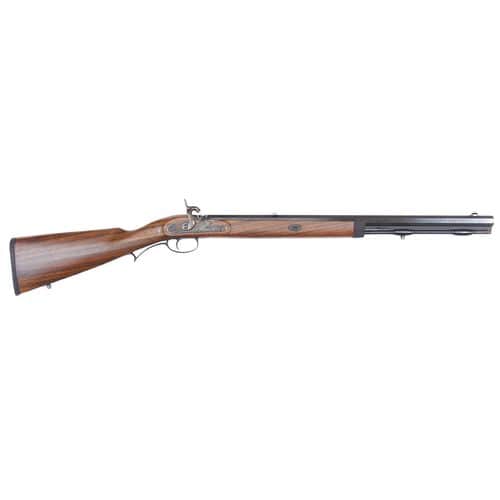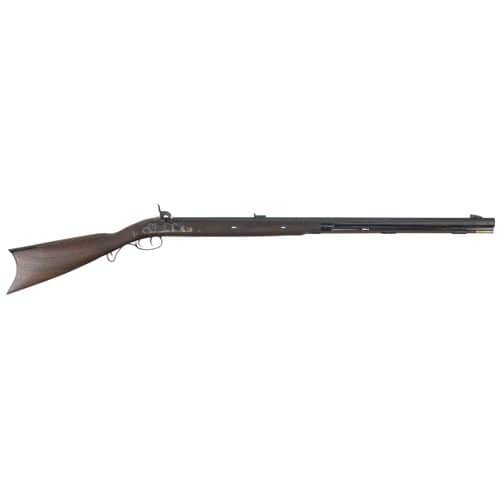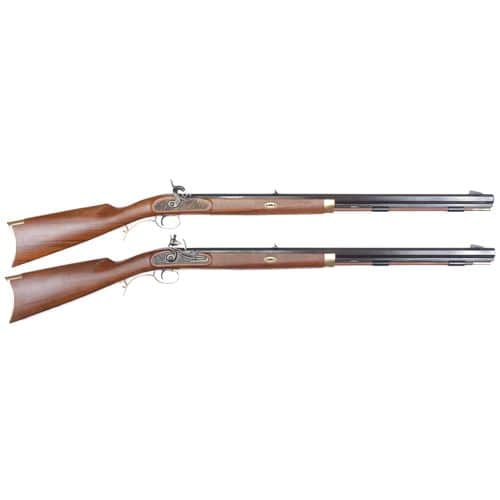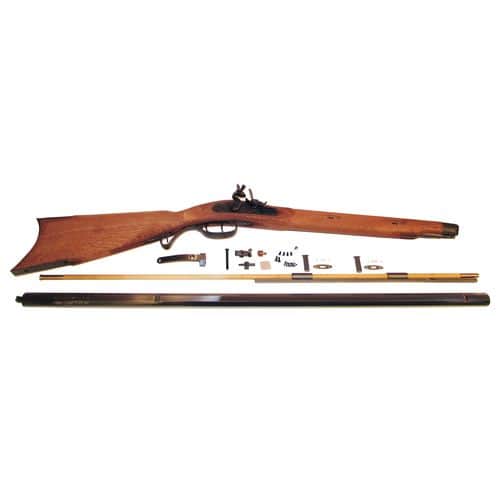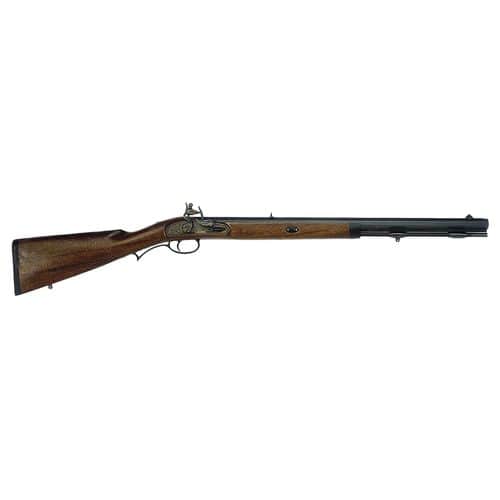




































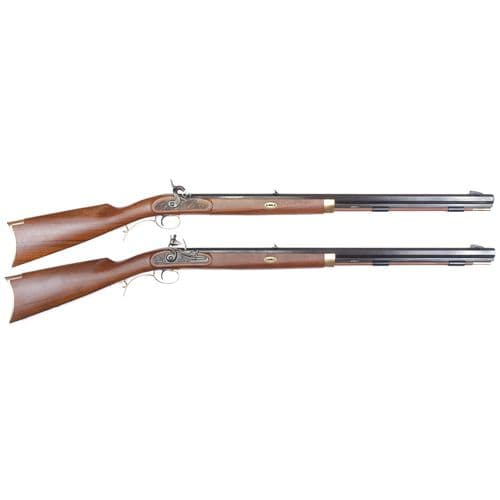

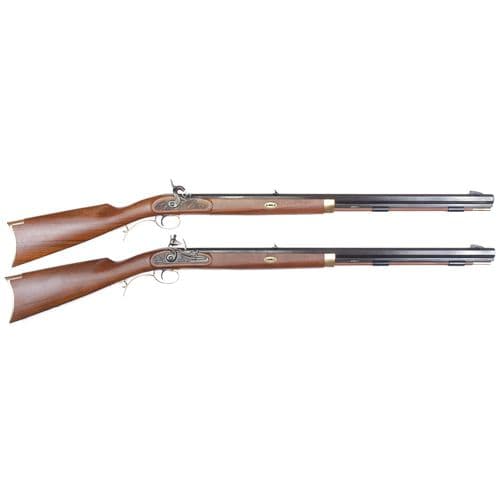
Lyman 6032125 Trade 50 Cal 28" #11 Percussion Cap Color Case Hardened Receiver Blued Barrel Hardwood Stock
$0.00
Please Allow 4-5 Business Days for In Store Pickup

The Enduring Legacy: A Deep Dive into the Lyman Great Plains Rifle
Are you a firearms enthusiast seeking an authentic connection to historical marksmanship, a dedicated hunter looking to extend your season, or perhaps an individual captivated by the timeless appeal of black powder shooting? If your interests lie in precision, tradition, and the unique challenges of a classic firearm, then the Lyman Great Plains Rifle is a prime candidate for your consideration. This detailed exploration of the Lyman 50 Caliber 28" #11 Percussion Cap rifle, featuring its distinctive Color Case Hardened Receiver, Blued Barrel, and Hardwood Stock, is designed to provide comprehensive insights for anyone considering this exceptional piece of historical engineering.
The Enduring Appeal of Traditional Muzzleloading
In an age dominated by modern cartridges and advanced optics, why do shooters continue to flock to muzzleloaders? The answer lies in a blend of history, challenge, and pure shooting satisfaction. Muzzleloading offers a return to the foundational principles of marksmanship, demanding a deeper understanding of ballistics, powder charges, and the unique rhythm of loading and firing. For hunters, it often unlocks special black powder seasons, providing unique opportunities to pursue game. For collectors and historical reenactors, it's about preserving a vital piece of Americana and experiencing firearms as they were in pivotal moments of history.
The act of loading a rifle from the muzzle, precisely measuring the powder charge, seating the projectile, and capping the nipple or priming the pan, is a ritual that connects the shooter directly to generations past. It fosters patience, discipline, and an appreciation for the mechanical ingenuity of earlier eras. Unlike the rapid-fire convenience of contemporary firearms, the muzzleloader encourages deliberate, thoughtful shooting, making every shot count and enhancing the overall experience. Whether you're seeking to hone your skills, participate in historical shoots, or simply enjoy a slower, more deliberate pace on the range or in the field, a well-crafted black powder rifle like the Lyman Great Plains Rifle delivers an unparalleled journey into the heart of shooting tradition.
Unpacking the Lyman Great Plains Rifle: A Deep Dive into its Core Features
The Lyman Great Plains Rifle is not merely a reproduction; it is a meticulously crafted firearm designed to replicate the look, feel, and performance of the rifles that tamed the American frontier. Every component plays a crucial role in its authenticity, durability, and shooting prowess.
The .50 Caliber Chambering: Power and Versatility
What makes the .50 caliber an enduring choice for muzzleloaders? This specific bore size strikes an ideal balance between stopping power, versatility, and manageable recoil, making it suitable for a wide array of applications, particularly hunting. For those asking, What's the best caliber for hunting deer with a muzzleloader? the .50 caliber is frequently cited as an excellent, versatile option. It delivers ample energy for humane kills on medium-sized game like whitetail deer, black bear, and wild boar. With heavier loads and appropriate projectiles, it can also be effective on larger game such as elk or moose in suitable conditions.
The large bore allows for a variety of projectile choices, from traditional round balls to conical bullets. Round balls are generally preferred for target shooting and smaller game due to their excellent accuracy at moderate ranges and lighter recoil. Conical bullets, on the other hand, offer superior ballistic coefficients, increased downrange energy, and often better expansion for hunting purposes. The .50 caliber's popularity also means a wide availability of components, including lead projectiles, sabots, and patch material, ensuring that sourcing supplies for your shooting needs is straightforward. Its historical significance, having been a common caliber for plains rifles and mountain men, further enhances its appeal to traditionalists.
Precision Engineering: The 28-inch Blued Barrel
The 28-inch barrel length of the Lyman Great Plains Rifle is a carefully considered dimension that optimizes both accuracy and handling. For shooters wondering, How does barrel length affect muzzleloader accuracy? a longer barrel generally allows for a more complete burn of the black powder charge, translating to higher velocities and greater kinetic energy at the muzzle. More importantly, it provides a longer sight radius, which inherently aids in precise aiming, especially with open sights. This extended sight radius helps minimize human error in alignment, making it easier to consistently place shots exactly where intended.
The barrel is meticulously crafted from high-quality steel and features a classic blued finish. This bluing process, achieved through controlled oxidation, creates a durable, corrosion-resistant surface that not only protects the metal from the elements but also provides a deep, non-reflective aesthetic that traditionalists admire. It gives the rifle a timeless, purposeful appearance. The rifling twist rate, typically optimized for both round balls and conical bullets, ensures stable projectile flight and exceptional accuracy out to typical black powder ranges. For those serious about consistency, understanding the barrel's characteristics is key to unlocking its full potential, whether on the range or in challenging hunting environments.
Reliable Ignition: The #11 Percussion Cap System
The #11 Percussion Cap ignition system is a hallmark of the Lyman Great Plains Rifle, offering a reliable and popular method for igniting the main powder charge. Many beginners to muzzleloading often ask, What's the difference between percussion and flintlock? Percussion systems, which largely replaced flintlocks by the mid-19th century, utilize a small, self-contained copper or brass cap filled with a primer compound. When the hammer strikes the cap, it detonates, sending a flash of flame down the nipple and into the breach, igniting the main charge.
This system is generally considered more reliable and less susceptible to environmental factors like rain or humidity compared to flintlock mechanisms, which rely on a spark generated by flint striking steel. The #11 cap is a widely available standard size, making it easy to source replacements. This reliability is crucial whether you're taking a critical shot in the field or participating in a timed target competition. The percussion system offers a quicker lock time (the interval between trigger pull and primer ignition), contributing to better accuracy by reducing the time the shooter has to move off target. It's a robust, time-tested system that perfectly complements the traditional design of the Great Plains Rifle.
Enduring Beauty: Color Case Hardened Receiver
The Color Case Hardened Receiver is arguably one of the most visually striking features of the Lyman Great Plains Rifle, imbuing it with a unique character and a touch of artisanal craftsmanship. Beyond its aesthetic appeal, case hardening is a historical process that enhances the surface hardness of steel, making it more resistant to wear and corrosion in critical areas like the receiver and lock plate.
The distinctive mottled patterns of blue, purple, brown, and straw colors are a byproduct of the quenching process during hardening, where specific chemicals react with the metal at high temperatures. No two case-hardened finishes are exactly alike, meaning each rifle possesses a subtle, individual fingerprint. For those interested in historical accuracy, this finish faithfully reproduces the appearance of many original 19th-century firearms, adding significant value for collectors and reenactors. It signifies not just durability, but also a dedication to historical authenticity and traditional manufacturing techniques that are often overlooked in mass-produced items today. This feature elevates the rifle from a mere tool to a piece of functional art.
The Foundation of Form and Function: Hardwood Stock
The foundation of any great traditional rifle is its stock, and the Lyman Great Plains Rifle boasts a robust hardwood stock that contributes significantly to its balance, ergonomics, and classic appearance. Typically crafted from high-quality American hardwood, such as walnut or maple, these stocks are chosen for their density, durability, and attractive grain patterns. The selection of a good hardwood ensures the stock can withstand the rigors of field use while maintaining its structural integrity over decades of service.
The design of the stock is ergonomically shaped to provide a comfortable and secure grip, allowing for stable aiming and recoil management. Features like a classic crescent buttplate or a subtle cheek weld contour enhance shooter comfort and consistency. The natural beauty of the wood, often enhanced by a traditional oil finish, matures with age and use, developing a rich patina that tells the story of its adventures. Unlike synthetic stocks, hardwood stocks offer a tactile warmth and a timeless aesthetic that appeals deeply to traditionalists. It's the physical connection point between the shooter and the rifle, and the quality of the hardwood stock directly impacts the overall shooting experience and the rifle's longevity.
Where Does the Lyman Great Plains Rifle Excel? Real-World Applications
The versatility and traditional design of the Lyman Great Plains Rifle make it suitable for a variety of passions and pursuits.
A Hunter's Trusted Companion
For hunters, the Lyman Great Plains Rifle opens up new possibilities, especially in states with dedicated muzzleloader seasons. Its .50 caliber power is more than sufficient for ethical harvests of popular game animals. When asking, Can I use a traditional muzzleloader for big game hunting? the answer is a resounding yes. This rifle is a capable tool for hunting deer, black bear, and even larger North American game with proper loads and within realistic ranges. The challenge of a single-shot, black powder firearm elevates the hunting experience, demanding greater tracking skill, patience, and shot placement. It encourages hunters to get closer to their quarry, truly immersing themselves in the hunt. The authentic feel of this rifle makes every successful hunt a profound and memorable achievement.
Mastering the Range
Beyond hunting, the Lyman Great Plains Rifle is an absolute joy for target shooting and plinking. Whether you're aiming for tight groups on paper, ringing steel, or participating in organized black powder competitions, this rifle offers a rewarding experience. It forces shooters to focus on fundamental marksmanship principles: breath control, trigger discipline, and sight alignment, without the distractions of rapid firing. Many traditional black powder shooting clubs organize matches that cater specifically to these types of rifles, providing a community for enthusiasts to share knowledge, techniques, and camaraderie. For those who enjoy the slower, more methodical pace of shooting and the satisfaction of mastering a classic firearm, the range is an ideal place to experience the Great Plains Rifle.
Embracing History
For historical reenactors, living history enthusiasts, and collectors, the Lyman Great Plains Rifle is an invaluable asset. Its faithful reproduction of a classic frontier rifle makes it perfect for adding authenticity to historical encampments, battle reenactments, and educational displays. The visual accuracy, combined with the genuine feel and operating mechanism, transports participants and observers back to an earlier era. Owning such a rifle is not just about having a firearm; it's about preserving a tangible link to American history, understanding the tools that shaped the frontier, and appreciating the craftsmanship of a bygone era. It's a way to truly live and breathe history, making it a compelling choice for anyone deeply invested in historical authenticity.
Caring for Your Black Powder Investment: Essential Maintenance Tips
Maintaining a black powder rifle is crucial for its longevity, performance, and safety. Unlike modern firearms, black powder leaves a corrosive residue that must be cleaned thoroughly and promptly after every shooting session. For those asking, How do I clean a black powder muzzleloader? here’s a basic guide:
- Immediate Cleaning is Key: Start cleaning as soon as possible after shooting. Black powder fouling contains potassium salts that attract moisture and can quickly lead to rust.
- Disassembly: Remove the barrel from the stock if possible. Remove the nipple from the breech plug (on percussion models) to ensure a clear path for cleaning solvents.
- Use Water-Based Solvents: Warm, soapy water (dish soap works well) is highly effective at dissolving black powder residue. Commercial black powder solvents are also excellent. Avoid petroleum-based solvents initially, as they don't dissolve the salts.
- Bore Cleaning: Use a cleaning rod with a patch jag. Run wet patches soaked in your chosen solvent through the bore until they come out relatively clean. Follow with a bore brush to scrub away stubborn fouling, then more wet patches. Finish with dry patches until they come out clean.
- Nipple and Breech Plug: Use a small brush and pipe cleaners with solvent to clean the nipple thoroughly, ensuring the flash channel is clear. Clean the breech plug threads and face.
- External Surfaces: Wipe down all metal surfaces with a wet cloth to remove residue, then dry thoroughly.
- Lubrication and Protection: Once completely dry, apply a light coat of a good quality gun oil or rust preventative to all metal surfaces, inside and out. For the bore, a rust-inhibiting oil specifically designed for black powder guns is recommended. A thin layer of gun grease on the nipple threads can prevent seizing.
- Stock Care: Wipe down the hardwood stock with a clean, damp cloth, then dry. Periodically, reapply a wood conditioner or oil to protect the finish and prevent drying out.
Proper and consistent cleaning ensures your Lyman Great Plains Rifle remains a reliable and beautiful firearm for generations.
Why Choose the Lyman Great Plains Rifle? A Testament to Quality and Heritage
The market offers various muzzleloaders, so why does the Lyman Great Plains Rifle stand out? It's not just a firearm; it's a commitment to quality, historical accuracy, and a rich shooting heritage. Lyman, a company with a venerable history in the shooting sports dating back to 1878, is renowned for its precision manufacturing and dedication to the needs of shooters and reloaders. Their expertise shines through in every detail of the Great Plains Rifle.
This rifle isn't a cheap imitation; it's a purpose-built, highly functional replica that faithfully embodies the spirit of its historical predecessors. From the carefully selected hardwood for the stock to the robust blued steel barrel and the authentic color case-hardened receiver, every component is chosen for its durability, performance, and aesthetic appeal. For serious enthusiasts asking, "What is a high-quality traditional muzzleloader?" the Lyman Great Plains Rifle consistently appears at the top of recommended lists. It represents an investment in a piece of functional art that offers both profound historical connection and exceptional shooting performance. Its design, robust construction, and reliable ignition system make it a trusted choice whether your goal is hunting, target shooting, or simply owning a piece of history that performs as beautifully as it looks.
Ensuring Safety with Traditional Firearms
Like all firearms, muzzleloaders demand respect and adherence to strict safety protocols. Always treat every firearm as if it's loaded. Keep the muzzle pointed in a safe direction. Keep your finger off the trigger until ready to shoot. Be absolutely certain of your target and what is beyond it. Store ammunition and firearms securely and separately, out of reach of unauthorized individuals. With black powder, never use smokeless powder in a black powder firearm. Always use the correct type and amount of black powder, and be mindful of flashovers during loading. Eye and ear protection are essential for every shot.
This exceptional Lyman Great Plains Rifle, Model 6032125, is available through DEGuns, where you can find this and other premium firearms to expand your collection or equip your next outdoor adventure.
Specifications: Lyman Great Plains Rifle
| Feature | Detail |
|---|---|
| Model | Lyman Great Plains Rifle |
| Caliber | .50 Caliber |
| Barrel Length | 28 Inches |
| Ignition System | #11 Percussion Cap |
| Receiver Finish | Color Case Hardened |
| Barrel Finish | Blued Steel |
| Stock Material | Hardwood |
| UPC | 011516032125 |
| Primary Retailer | DEGuns.com |
Specifications
Explore the specific details and characteristics
- SKU
- 6032125