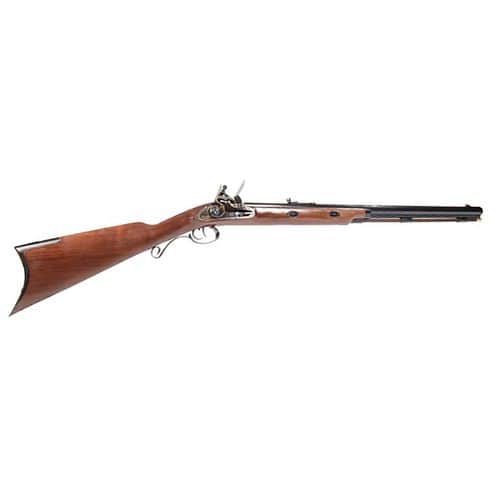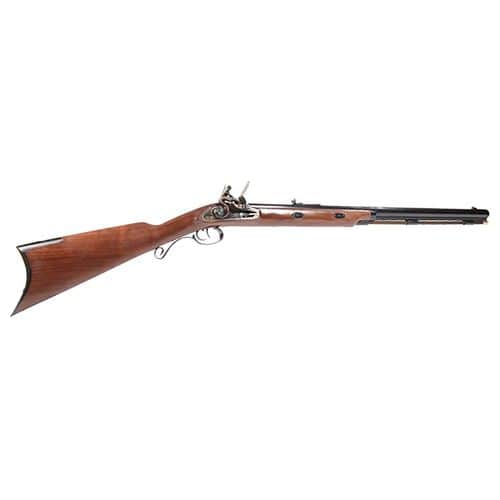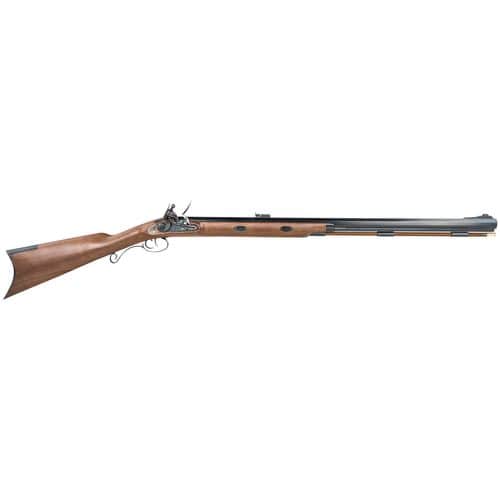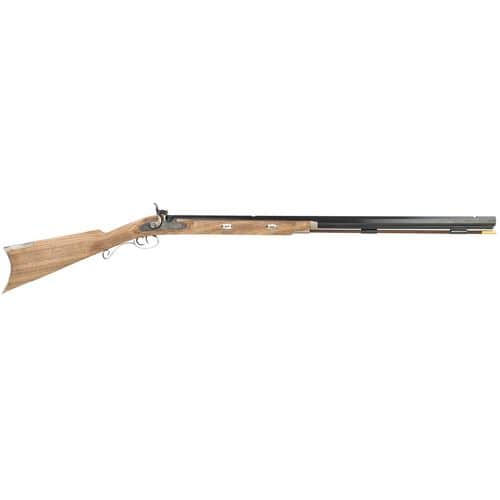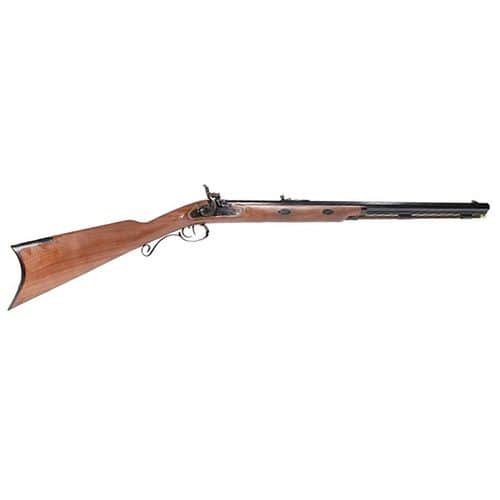













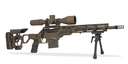



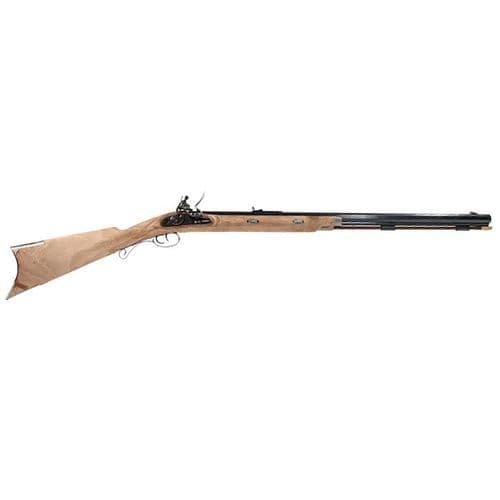

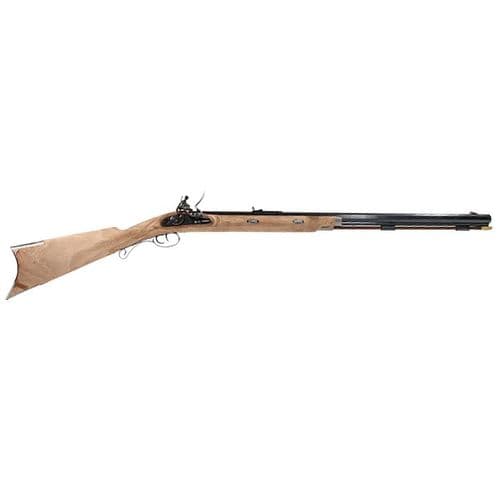
Lyman 6034005 Great Plains Signature Rifle Kit 50 Cal Flintlock 32" Blued Rec/Barrel Brown Walnut Stock
$0.00
Please Allow 4-5 Business Days for In Store Pickup

Embrace History: Building and Mastering the Lyman Great Plains Signature .50 Caliber Flintlock Rifle Kit
Are you a passionate firearms enthusiast seeking a deeper connection to shooting sports, a dedicated historical reenactor striving for unparalleled authenticity, or an adventurous hunter looking to explore traditional methods? Perhaps you're simply a curious individual with a desire to build something meaningful with your own hands. If any of these describe you, then the Lyman 6034005 Great Plains Signature Rifle Kit is precisely what you’ve been searching for. This kit isn't just a collection of parts; it's an invitation to embark on a rewarding journey of craftsmanship, historical immersion, and shooting mastery.
This comprehensive guide will delve into every aspect of the Lyman Great Plains Signature Rifle Kit, exploring its features, the build process, its historical context, and how to effectively shoot and maintain your completed flintlock rifle. Whether your goal is to recreate a piece of American frontier history, improve your marksmanship with a challenging yet rewarding firearm, or pursue game using traditional methods, this kit offers an unparalleled experience. All the fine Lyman products discussed here, including the Great Plains Signature Rifle Kit, are available for purchase at DEGuns.
Why Choose a DIY Muzzleloader Kit? Unlocking the Rewards of Craftsmanship
Many modern shooters are accustomed to purchasing firearms off the shelf, ready to fire. But for those who choose the path of a build-it-yourself kit, a unique set of benefits unfolds. The Lyman Great Plains Signature Rifle Kit provides an exceptional opportunity to:
- Develop Valuable Skills: Assembling a flintlock rifle from a kit hones your woodworking, metalworking, and fine motor skills. You'll learn about gun mechanics from the inside out, gaining an understanding that ready-made firearms can’t offer. This project is ideal for both experienced hobbyists and determined beginners willing to learn.
- Achieve Unmatched Personalization: While the kit provides a solid foundation, the finishing touches are entirely yours. You can customize the stock’s stain and finish, polish the brass components, and truly make the rifle your own. This results in a firearm that's not just functional, but a true work of art reflecting your personal touch and dedication.
- Gain a Deeper Connection: Building your own rifle fosters an incredible sense of pride and accomplishment. Every time you hold, load, or fire your Great Plains Signature Rifle, you'll be reminded of the effort and care you poured into its creation. It’s an heirloom in the making, a story embedded in wood and steel.
- Experience Historical Authenticity: For reenactors and living history enthusiasts, a kit allows for a level of historical accuracy and immersion that mass-produced replicas often lack. Understanding the construction process connects you directly to the craftsmen of the 18th and 19th centuries.
For those asking, "What is the best way to get into traditional firearms?" or "How can I own a historically accurate black powder rifle?", a high-quality kit like the Lyman Great Plains Signature Rifle is an excellent answer. It’s a rewarding project that culminates in a highly functional and historically significant firearm.
The Heart of the Rifle: Understanding the Flintlock Mechanism
At the core of the Lyman Great Plains Signature Rifle Kit is its iconic flintlock ignition system. For those new to black powder firearms, understanding this mechanism is crucial. How does a flintlock work, and what makes it unique?
A flintlock operates on a simple yet ingenious principle:
- Priming: A small amount of fine black powder (priming powder) is placed in the "pan" of the lock mechanism.
- Charging the Main Barrel: A larger charge of black powder is loaded down the main barrel, followed by a patched round ball or conical bullet.
- Cocking the Hammer: The "cock" (the arm holding the flint) is pulled back, compressing the mainspring.
- The Strike: When the trigger is pulled, the cock snaps forward, causing the flint—a sharp piece of stone—to strike the "frizzen" (a steel plate).
- Ignition: This strike generates sparks, which fall into the priming pan, igniting the priming powder.
- Flash Hole: The flash from the pan travels through a small "vent" or "flash hole" into the main powder charge in the barrel, igniting it and propelling the projectile.
Compared to more modern percussion cap systems, the flintlock requires a bit more care in loading and shooting, but offers an unparalleled sense of historical authenticity. Its reliability, when properly maintained, was proven on battlefields and frontiers for centuries. This mechanism is ideal for those who truly appreciate the historical engineering behind early firearms and want to "go back to basics" with their shooting.
Key Features and Specifications of the Lyman 6034005 Great Plains Signature Rifle Kit
The Lyman Great Plains Signature Rifle Kit is renowned for its quality components, historical accuracy, and the robust foundation it provides for a rewarding build. Let's explore its core attributes:
- Caliber: .50 Caliber. This is a versatile and popular choice for muzzleloaders. A .50 caliber projectile offers significant knockdown power for hunting medium to large game, while also providing good accuracy for target shooting. It's a common and well-supported caliber for black powder enthusiasts.
- Barrel: 32-inch Blued Octagonal Barrel. The substantial 32-inch barrel contributes to excellent ballistic performance, aiding in velocity and accuracy. Its octagonal profile is historically correct for many frontier rifles and adds a distinct aesthetic appeal. The blued finish provides durability and rust resistance, though the kit allows for a personalized finishing process. The rifling inside the barrel (typically a slow twist rate, like 1:66 or 1:70 inches, perfect for patched round balls) ensures the projectile spins, leading to superior accuracy over smoothbore designs.
- Stock: Brown Walnut Stock. Walnut is a premium wood choice for firearm stocks due to its strength, stability, and beautiful grain patterns. The stock comes unfinished, allowing the builder to apply their preferred stain, oil, or sealant to achieve a truly custom look and feel. The "Great Plains Signature" variant often features a more refined, ergonomic stock profile, offering a comfortable and natural point of aim.
- Lock Mechanism: Flintlock. As discussed, the high-quality flintlock assembly ensures reliable ignition and an authentic shooting experience. Lyman is known for producing robust and dependable lock mechanisms.
- Sights: Dovetailed front and rear sights. These classic open sights are sturdy, reliable, and easily adjustable for windage and elevation. Their design is historically appropriate and effective for both hunting and target shooting at practical muzzleloader ranges.
- Hardware: The kit includes all necessary brass and steel hardware components, such as trigger guard, thimbles, nose cap, and butt plate. These components are typically ready for final polishing and fitting, allowing the builder to achieve a seamless and elegant finish.
When researching "authentic frontier rifles for sale" or "best black powder rifle kits," the Lyman Great Plains Signature Rifle frequently appears due to its reputation for quality, historical fidelity, and exceptional shooting characteristics. It’s a firearm designed for performance and built for legacy.
Building Your Lyman Great Plains Signature Rifle: A Rewarding Journey
The process of assembling your Lyman Great Plains Signature Rifle Kit is a journey of discovery and craftsmanship. It’s more than just putting parts together; it’s about shaping wood and metal, understanding tolerances, and bringing a piece of history to life. While a detailed step-by-step guide is beyond this scope, here's an overview of what to expect and the tools you'll need:
Essential Tools and Supplies:
- Wood rasps, files, sandpaper (various grits) for stock shaping
- Chisels and inletting tools for fitting components
- Wood stains, oils, and finishes (e.g., tung oil, linseed oil)
- Metal files, abrasives, and polishing compounds for metal finishing
- Screwdrivers, punches, and mallets
- A sturdy workbench and vice
- Safety glasses and gloves
- Gunsmithing screwdrivers (specifically hollow-ground) are highly recommended to prevent marring screw heads.
The Building Process (General Steps):
- Stock Inletting: This is often the most critical and time-consuming step. The barrel, lock, trigger assembly, and other components must be precisely fitted into the unfinished wood stock. This involves carefully removing small amounts of wood, checking for fit, and repeating until each part seats perfectly.
- Barrel Channel Refinement: Ensure the barrel sits snugly and straight within its channel, with no gaps or pressure points.
- Lock and Trigger Fitting: The lock mechanism and trigger assembly require careful inletting to ensure smooth, reliable operation. This step directly impacts the rifle's safety and shooting performance.
- Hardware Installation: Fit and attach all brass and steel furniture, such as the trigger guard, thimbles for the ramrod, and the butt plate. This often involves shaping the wood to match the contours of the metal components.
- Stock Shaping and Finishing: Once all components are fitted, the real artistry begins. Shape the stock to your desired profile, removing excess wood, and then sand it progressively finer until it's smooth to the touch. Finally, apply your chosen stain and finish to protect the wood and enhance its natural beauty.
- Metal Finishing: The blued barrel may need minor touch-ups or a full re-bluing depending on the builder's preference and the kit's initial finish. Brass components should be polished to a brilliant shine.
- Final Assembly and Inspection: Put all the finished components together. Conduct a thorough safety check of the lock and trigger mechanism. Ensure all screws are tight and that the ramrod fits properly.
Building a muzzleloader rifle is a testament to patience and attention to detail. For those asking, "Is building a flintlock rifle hard?" The answer is that it requires dedication and careful work, but the process is immensely rewarding, even for those with limited prior experience. Resources like online forums, specialized books, and videos can provide invaluable guidance throughout your build.
Shooting and Handling Your Flintlock: Tips for Success
Once your Lyman Great Plains Signature Rifle is complete, the true joy begins: taking it to the range or field. Shooting a flintlock is a unique experience that differs significantly from modern cartridge firearms.
Loading a Flintlock (A Simplified Overview):
- Safety First: Always point the muzzle in a safe direction. Ensure the frizzen is closed and the hammer is at half-cock or full-cock (depending on the rifle's design and your preference for priming after loading the barrel).
- Powder Charge: Measure the appropriate black powder charge (e.g., FFFg or FFg, as recommended for your .50 caliber rifle) using a powder measure. Pour it down the barrel.
- Patch and Ball: Place a pre-lubricated patch over the muzzle, center it, then place a patched round ball on top. Use a short starter to get the ball into the rifling.
- Ramming: Use the ramrod to firmly push the ball and patch down the barrel until it seats firmly on the powder charge. Do not leave an air gap, as this can be dangerous.
- Priming: Open the frizzen, clear the flash hole if necessary (with a vent pick), and pour a small amount of finer priming powder (FFFFg or FFFg) into the pan. Close the frizzen.
- Ready to Fire: The rifle is now loaded and primed. When ready to shoot, bring the hammer to full-cock, take aim, and fire.
Achieving Accuracy with Your .50 Caliber Flintlock:
- Powder and Ball Combination: Experiment with different powder charges, patch thicknesses, and ball diameters to find the most accurate combination for your specific rifle. A slightly undersized ball with a thicker, well-lubricated patch is often key.
- Consistency: Consistency in loading technique is paramount. Ensure each powder charge is precisely measured and the ball is seated with the same amount of pressure.
- Flint Selection and Sharpening: A sharp, good-quality flint is crucial for reliable ignition. Learn to "knap" (sharpen) your flint to maintain a sharp striking edge.
- Sight Picture: Practice consistent sight alignment. The open sights require a clear front sight focus.
- Follow-Through: Maintain your sight picture and follow through with your shot, just as with any firearm, to maximize accuracy.
For hunters asking, "How accurate are .50 caliber muzzleloaders?" or "Can I hunt deer with a flintlock?", the answer is a resounding yes. With practice and the right load, a well-built .50 caliber Lyman Great Plains Signature Rifle is capable of taking medium to large game ethically and effectively at traditional black powder ranges. Many enthusiasts also enjoy participating in black powder shooting competitions, where precision with a flintlock is truly put to the test.
Maintenance and Care for Longevity
Black powder firearms require diligent cleaning and maintenance due to the corrosive nature of black powder residue. Proper care will ensure your Lyman Great Plains Signature Rifle remains a reliable and beautiful firearm for generations.
Post-Shooting Cleaning (Immediately After Firing):
- Disassemble: Carefully disassemble the rifle, removing the barrel from the stock and the lock from the barrel.
- Hot Soapy Water: The most effective cleaner for black powder residue is hot, soapy water. Use a bore brush and patches to scrub the barrel thoroughly until patches come out clean. Pay special attention to the breech end and flash hole.
- Lock Cleaning: Clean the lock mechanism with a stiff brush and water, ensuring no residue remains in the intricate parts. Some prefer to use specialized black powder solvents for the lock.
- Stock Cleaning: Wipe down the wood stock with a damp cloth, then dry thoroughly. Do not immerse wood in water.
- Drying: Crucially, dry all metal components immediately and completely to prevent rust. Use a dry patch through the bore, and even run a hair dryer over metal parts.
- Oiling/Lubricating: Once thoroughly dry, apply a thin coat of rust preventative oil (like CLP or dedicated gun oil) to all metal surfaces, inside and out. Lightly oil the lock mechanism. For the stock, reapply your chosen wood finish as needed to maintain its protection and luster.
Regular Inspections:
- Periodically inspect your flint for sharpness and wear.
- Check the flash hole for any blockages.
- Ensure all screws are tight.
- Keep your ramrod clean and free of debris.
Following these practices will ensure your Lyman Great Plains Signature Rifle performs optimally and retains its value and beauty for years to come.
Historical Significance and Authenticity
The Lyman Great Plains Signature Rifle Kit is designed to embody the spirit and function of the classic American frontier rifles of the 18th and early 19th centuries. These were the workhorses of pioneers, hunters, and adventurers who explored and settled the vast North American continent.
- Frontier Workhorse: Rifles of this type were essential tools for survival, providing food, protection, and a means of trade. Their simple, robust design was well-suited to the harsh conditions of the frontier.
- Iconic Design: The heavy octagonal barrel, full-length stock, and traditional open sights are all hallmarks of historically accurate "plains rifles" or "long rifles." Lyman has gone to great lengths to ensure the 6034005 kit reflects these authentic features.
- Educational Value: Building and shooting this rifle provides a tangible connection to American history. It allows enthusiasts to understand the challenges and triumphs of those who relied on such firearms daily. This kit is often recommended when users ask, "What historical firearms are good for reenactment?" or "How can I learn about 19th-century American weapons?"
Owning a Lyman Great Plains Signature Rifle isn't just about possessing a firearm; it's about connecting with a legacy of rugged individualism and the foundational period of a nation.
Hunting with a .50 Caliber Muzzleloader
For many, the appeal of a muzzleloader like the Lyman Great Plains Signature Rifle lies in its application as a hunting tool. Hunting with a black powder flintlock is an entirely different experience than hunting with a modern centerfire rifle, demanding a higher level of skill, patience, and woodsmanship.
- Ethical Hunting: The .50 caliber is widely accepted as an effective cartridge for deer, bear, and other medium to large game within appropriate ranges. The kinetic energy delivered by a .50 caliber patched round ball or conical bullet is substantial.
- Range Limitations: Flintlocks are typically most effective within 75-125 yards for hunting, though precise rifles and skilled shooters can extend this range. Understanding your rifle's capabilities and practicing at various distances is crucial.
- Single-Shot Mindset: The single-shot nature of a muzzleloader, coupled with the longer reloading time, demands that the hunter make the first shot count. This fosters a more deliberate and respectful approach to hunting.
- Weather Considerations: Flintlocks are more susceptible to adverse weather conditions (rain, high humidity) affecting ignition than modern firearms. Hunters must take precautions to keep their powder and pan dry.
Embracing muzzleloader hunting offers a challenging yet immensely rewarding experience, connecting the hunter to a heritage stretching back centuries. It’s an ideal choice for those searching for "traditional hunting methods" or "best muzzleloaders for deer hunting in special seasons."
Target Shooting and Competition
Beyond hunting and historical reenactment, the Lyman Great Plains Signature Rifle is an excellent choice for recreational target shooting and competitive black powder events.
- Precision Potential: Despite their historical design, well-built and carefully loaded muzzleloaders are surprisingly accurate. Many black powder competitions feature impressive groups shot with flintlocks.
- Skill Development: Target shooting with a flintlock refines fundamental marksmanship skills. The distinct "flash-in-the-pan" ignition delay teaches shooters to maintain focus and follow-through, leading to improvements in all forms of shooting.
- Community: The black powder shooting community is vibrant and welcoming. Participating in target matches is a great way to learn from experienced shooters, share knowledge, and enjoy the camaraderie of fellow enthusiasts.
If you're asking, "How can I improve my marksmanship with a challenging rifle?" or "Where can I find black powder shooting competitions?", the Lyman Great Plains Signature Rifle is a perfect vehicle for both.
Frequently Asked Questions (FAQ)
Here are answers to common questions often posed about flintlock rifles and the Lyman Great Plains Signature Kit:
Q: What is the primary difference between a flintlock and a percussion cap muzzleloader?
A: The main difference lies in the ignition system. A flintlock uses a piece of flint striking a steel frizzen to create sparks, which ignite priming powder in a pan. A percussion cap muzzleloader uses a small, self-contained cap containing an explosive compound, which is struck by a hammer to ignite the main charge inside the barrel, eliminating the need for a priming pan. Flintlocks are older and more historically authentic for certain periods.
Q: Is black powder readily available?
A: Yes, black powder is available, but it is classified as an explosive and requires specific storage and shipping regulations. It can be purchased from specialized firearms dealers or online retailers (like DEGuns, with proper hazmat shipping). Always ensure you purchase genuine black powder (FG, FFG, FFFG, FFFFG grades) and not modern smokeless powder, which is extremely dangerous in muzzleloaders.
Q: How do I choose the right flint for my rifle?
A: Flints are typically sized by the jaw width of the cock. For a .50 caliber rifle, a flint around 3/4" to 1" is common. Good quality flints are typically made of British or French flint, known for their hardness and ability to throw consistent sparks.
Q: Can I use Pyrodex or other black powder substitutes in my flintlock?
A: While some black powder substitutes like Pyrodex are compatible with flintlocks, true black powder (e.g., Goex, Swiss, Schuetzen) generally provides more reliable ignition in a flintlock mechanism. Always consult the manufacturer's recommendations for any substitute powder.
Q: What kind of lubricant should I use for patches and cleaning?
A: Traditional lubricants for patches include bore butter, natural animal fats like mink oil, or water-soluble muzzleloader lubes. For cleaning, hot soapy water is highly effective for black powder residue. After cleaning, use a dedicated gun oil or rust preventative.
Q: Is it legal to build a gun from a kit without a license?
A: In the United States, under federal law, an individual can generally build a non-NFA (National Firearms Act) firearm for personal use without a manufacturer's license or serial number, as long as it is not for sale or distribution. However, state and local laws vary widely. It is CRITICAL to understand and comply with all applicable federal, state, and local laws before beginning any firearm build. This information is for general knowledge and not legal advice.
Conclusion: The Enduring Appeal of the Lyman Great Plains Signature Rifle Kit
The Lyman 6034005 Great Plains Signature Rifle Kit is more than just a product; it's an experience. It’s an opportunity to connect with history, master traditional shooting techniques, and create a truly personalized firearm. For the discerning individual who values craftsmanship, authenticity, and the satisfaction of building something remarkable, this kit stands as a beacon of quality and possibility.
Whether your passion lies in historical reenactment, challenging target shooting, ethical traditional hunting, or simply the profound satisfaction of working with your hands to create a functional piece of art, the Lyman Great Plains Signature Rifle will exceed your expectations. All the components and the completed rifle reflect Lyman's commitment to quality and the timeless design of the frontier long gun. Begin your journey into the world of traditional black powder firearms by exploring the Lyman Great Plains Signature Rifle Kit, available now at DEGuns.
Product Specifications: Lyman 6034005 Great Plains Signature Rifle Kit
| Feature | Specification | UPC/SKU |
|---|---|---|
| Model | Great Plains Signature Rifle Kit | 6034005 |
| Manufacturer | Lyman | |
| Caliber | .50 Caliber | |
| Ignition System | Flintlock | |
| Barrel Length | 32 Inches | |
| Barrel Finish | Blued (Unfinished in Kit) | |
| Barrel Type | Octagonal, Rifled | |
| Stock Material | Walnut (Unfinished in Kit) | |
| Sights | Dovetailed Front & Rear Open Sights | |
| Recommended Use | Hunting, Target Shooting, Reenactment |
Specifications
Explore the specific details and characteristics
- SKU
- 6034005