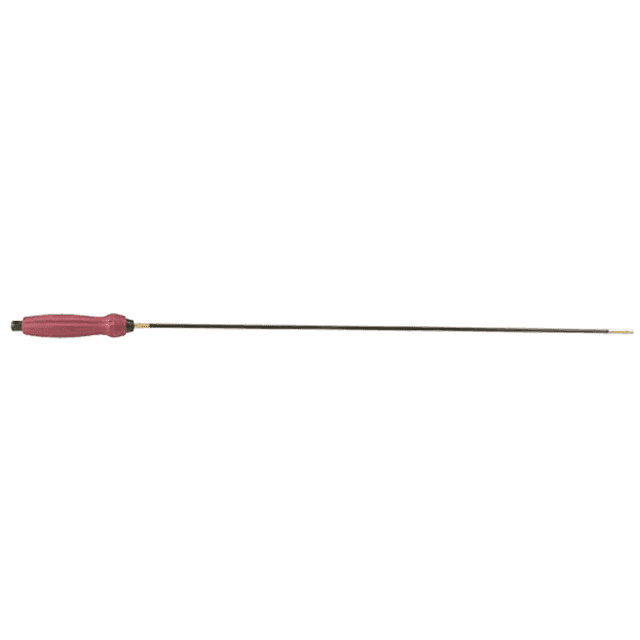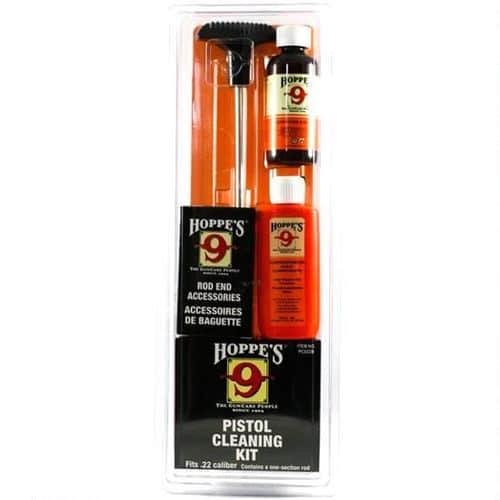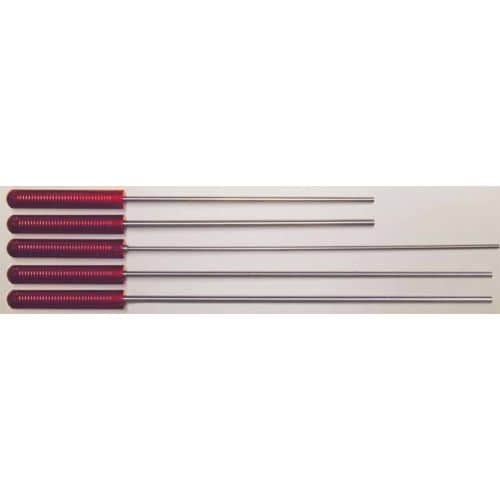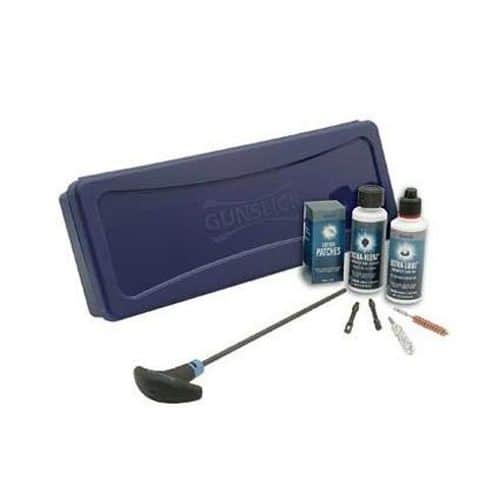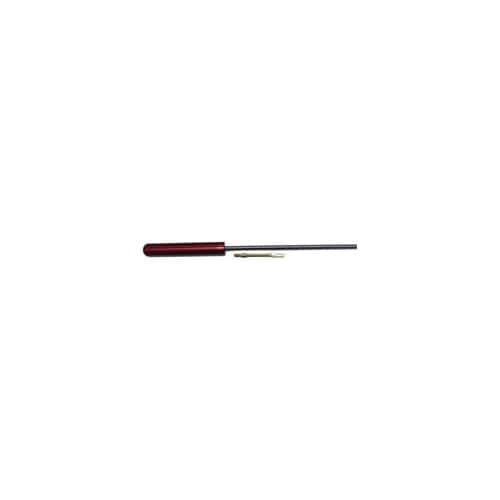






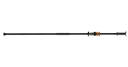









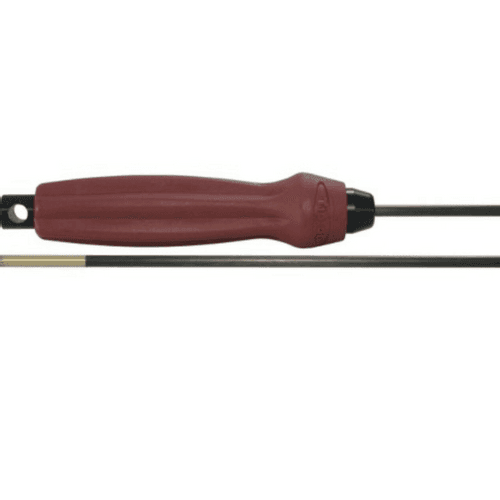

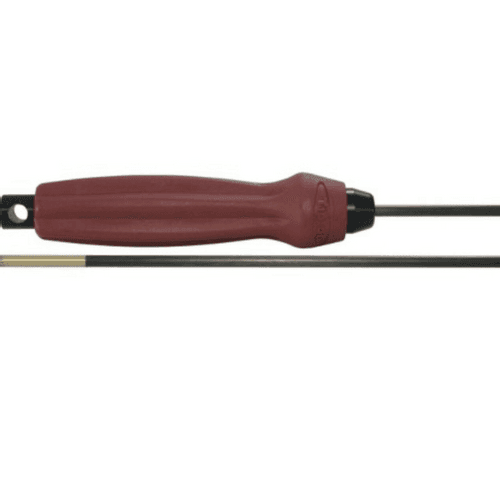
Tipton 44 inch Cleaning Rod, 22-26 Caliber
$43.99
Please Allow 4-5 Business Days for In Store Pickup

Carbon Fiber Cleaning Rods: The Ultimate Solution for Preserving Firearm Accuracy and Barrel Integrity
For every firearm owner, whether a dedicated hunter, a competitive shooter striving for peak performance, or a responsible enthusiast simply enjoying a day at the range, maintaining the heart of their firearm – the barrel – is paramount. The barrel is where precision is born, and its condition directly impacts accuracy, reliability, and the longevity of your beloved firearm. This critical task of cleaning the bore, however, often presents a dilemma: how do you remove fouling and residue without inadvertently causing more harm than good? This is where the innovative design and inherent advantages of carbon fiber cleaning rods emerge as the definitive answer, setting a new standard for firearm care.
The Persistent Problem: Why Traditional Cleaning Rods Fall Short
For decades, gun owners have relied on various cleaning rod materials, each with its own set of compromises. Understanding these limitations is key to appreciating the groundbreaking benefits that carbon fiber brings to your cleaning regimen.
The Stainless Steel Quandary
Stainless steel cleaning rods have long been a staple in gun cleaning kits. Their primary advantage lies in their durability and resistance to picking up small abrasive particles. This means that as you push the rod through your bore, the rod itself won't become a miniature sandpaper stick. However, this benefit comes with a significant drawback: the hardness of stainless steel. If used carelessly, or if the rod makes direct, prolonged contact with the delicate rifling of your barrel, it can absolutely scratch or wear the bore. Even microscopic scratches, invisible to the naked eye, can degrade accuracy over time by altering the bullet's path and reducing its stability. The risk of inadvertently damaging your firearm's most crucial component makes stainless steel a risky choice for many, particularly those with high-value or precision barrels.
The Limitations of Coated Cleaning Rods
To address the scratching concerns associated with stainless steel, manufacturers introduced "coated" cleaning rods. These typically feature a stainless steel or other metallic core covered by a softer material, often nylon or plastic. On the surface, this seems like a logical solution: the coating acts as a barrier, preventing the hard metal shaft from directly contacting and potentially damaging your barrel's precious rifling. They seemingly keep the stainless steel shaft from marring your bore.
However, the coating introduces a new, equally detrimental problem. While the coating protects the barrel from the rod's core, the coating itself is susceptible to picking up and embedding microscopic abrasive particles – specks of carbon, unburnt powder, copper fouling, or even environmental dust. Once these particles become embedded in the soft coating, your cleaning rod effectively transforms into a fine-grit sandpaper. This means that with every pass, you are quite literally running abrasive material through your bore, slowly but surely wearing down the rifling. This insidious wear can lead to a gradual, yet irreversible, loss of accuracy and diminished barrel life. It's a classic example of solving one problem only to create another.
Why Choose Carbon Fiber? The Unrivaled Advantage
Carbon fiber cleaning rods offer a revolutionary advancement in firearm maintenance, combining the best features of both stainless steel and coated rods while eliminating their critical drawbacks. They represent the pinnacle of bore-safe cleaning technology, delivering peace of mind and superior results.
Unparalleled Bore Protection
At the core of carbon fiber's superiority is its unique material composition. Carbon fiber is inherently flexible yet incredibly strong. Crucially, it's a non-embedding material. Unlike coated rods, carbon fiber simply cannot pick up small abrasive particles and embed them into its surface. This means you're never running fine grit sandpaper through your bore. With a carbon fiber rod, you are ensuring that only your cleaning patch, brush, and solvent are interacting with your bore, removing fouling without introducing new sources of wear.
Furthermore, carbon fiber cannot scratch your bore like stainless steel. While exceptionally strong in tension, carbon fiber is softer than barrel steel. In the unlikely event of contact with the rifling, it will yield before the steel does, completely eliminating the risk of marring the delicate lands and grooves that define your barrel's precision. This dual benefit – non-embedding and non-marring – is what truly sets carbon fiber apart as the safest option for barrel protection available on the market today.
Exceptional Durability and Chemical Resistance
Beyond bore safety, carbon fiber rods boast impressive durability. They are remarkably strong, resisting bending and breaking under normal cleaning pressures. This strength ensures a consistent, straight push through the bore, which is essential for effective cleaning and preventing rod deflection that could lead to uneven pressure.
Another often overlooked advantage of carbon fiber is its superior chemical resistance. Modern gun cleaning solvents can be quite aggressive, designed to break down stubborn fouling like copper and carbon. Unlike some coated rods where the coating material can degrade or react with harsh chemicals, carbon fiber stands up to virtually all standard gun cleaning solvents without degradation. This ensures the longevity of your cleaning rod and maintains its integrity over countless cleaning sessions.
Lightweight and User-Friendly Design
Carbon fiber is renowned for its high strength-to-weight ratio. This makes carbon fiber cleaning rods incredibly lightweight, reducing fatigue during extended cleaning sessions and allowing for better tactile feedback as you clean. Many high-quality carbon fiber rods also feature smooth, ergonomic handles with ball-bearing swivels. This allows the rod to rotate freely with the rifling as it passes through the bore, ensuring that brushes and jags follow the grooves precisely, maximizing cleaning efficiency and minimizing any chance of unwanted stress on the barrel.
Who Benefits Most from Carbon Fiber Cleaning Rods?
If you own a firearm and value its performance and longevity, a carbon fiber cleaning rod is an indispensable tool. But certain individuals and scenarios particularly highlight their value:
- Precision Shooters & Competitive Marksmen: For those whose scores depend on every fraction of an inch, maintaining pristine barrel accuracy is non-negotiable. Carbon fiber rods help preserve the critical consistency needed for competitive success.
- Hunters: A clean, accurate rifle is vital for ethical hunting. Ensuring your barrel is free from unseen damage means peak performance when it matters most in the field.
- Firearm Collectors & Enthusiasts: Preserving the original condition and value of vintage or high-end firearms requires the utmost care. Carbon fiber rods offer the gentlest yet most effective cleaning.
- Responsible Gun Owners: Anyone who understands the importance of proper maintenance for safety, reliability, and preserving their investment will find carbon fiber rods to be a worthwhile upgrade.
- First-Time Gun Owners: Starting with the right tools ensures good habits from the outset and prevents costly mistakes that can prematurely wear out a barrel.
Answering Your Critical Questions About Firearm Cleaning
When considering the best tools for firearm maintenance, a few common questions always arise. Carbon fiber cleaning rods directly address many of these concerns, offering comprehensive solutions.
"How Often Should I Clean My Firearm?"
The frequency of cleaning depends on several factors: the type of firearm, the ammunition used, the shooting environment, and the desired level of precision.
- After Every Use: For most firearms, especially those used for hunting or precision shooting, a light cleaning after every range session or outing is recommended. This removes corrosive primers and powder residue before they can cause damage.
- Routine Maintenance: Even if not shot frequently, firearms stored for extended periods should undergo periodic cleaning and inspection to prevent rust and ensure readiness.
- Before and After Storage: A thorough cleaning before long-term storage and a quick check before taking a firearm out after storage are good practices.
- Before Critical Events: Competitive shooters often clean their barrels before a major match to ensure optimal accuracy and consistency.
Regardless of frequency, using a carbon fiber rod ensures that each cleaning session improves or maintains your barrel's condition, rather than potentially degrading it.
"What Are the Risks of Improper Barrel Cleaning?"
The risks of improper barrel cleaning extend far beyond cosmetic issues. They can severely impact a firearm's performance and safety:
- Loss of Accuracy: The most immediate and noticeable impact. Scratched, worn, or compromised rifling prevents the bullet from stabilizing correctly, leading to flyers, inconsistent grouping, and reduced ballistic performance.
- Reduced Muzzle Velocity: Barrel friction caused by damage can slightly decrease bullet speed.
- Increased Fouling: A rough or damaged bore tends to collect more fouling, making future cleanings harder and potentially accelerating wear.
- Barrel Erosion: Aggressive cleaning with abrasive materials can literally erode the steel, permanently altering bore dimensions.
- Compromised Reliability: While less common, extreme damage could theoretically lead to dangerous pressure issues or chambering problems.
- Decreased Firearm Value: A damaged barrel significantly diminishes the resale or collector value of a firearm.
Using a carbon fiber cleaning rod is a proactive step to mitigate these risks, safeguarding your investment and ensuring peak performance.
"What Tools Are Essential for Proper Bore Cleaning?"
While the carbon fiber cleaning rod is the cornerstone, a comprehensive cleaning kit includes several other vital components:
- Quality Solvents: Designed to dissolve carbon, lead, and copper fouling without harming the barrel steel.
- Cleaning Patches: Absorbent patches that carry the solvent and physically remove loosened fouling. Choose the correct size for your caliber.
- Jags: Spiked or slotted tips that hold the cleaning patch and push it through the bore.
- Bore Brushes: Bronze or nylon brushes designed to scrub stubborn fouling. Bronze is more aggressive for heavy fouling, while nylon is gentler for lighter cleaning or barrels susceptible to scratching.
- Bore Guide: An absolutely critical accessory, especially for rifles. A bore guide inserts into the action or chamber, aligning the cleaning rod perfectly with the bore and preventing the rod from rubbing against the delicate throat or chamber walls, which can cause significant damage over time.
- Gun Oil/Protectant: For final lubrication and corrosion protection after cleaning.
- Cleaning Mat & Rags: To protect your workspace and soak up excess solvent.
Integrating a carbon fiber rod with these other high-quality accessories forms the foundation of a truly effective and safe gun cleaning routine.
Maximizing Accuracy and Longevity: The Science Behind Carbon Fiber Rods
The exceptional performance of carbon fiber cleaning rods isn't just anecdotal; it's rooted in the material's fundamental properties:
- Non-Abrasive Nature: Unlike metals, carbon fiber itself does not have abrasive properties that can scratch hardened steel. Even if the rod makes contact with the bore, it's designed to be much softer than barrel steel, meaning the barrel always wins the material hardness contest.
- Non-Embedding Characteristics: The surface structure of carbon fiber resists the adhesion and embedding of microscopic particles. This is a critical distinction from coated rods, where soft polymer coatings can act like sticky traps for abrasive debris. With carbon fiber, particles simply wipe away, ensuring a clean surface with every pass.
- Consistent Straightness: Carbon fiber rods are engineered to remain perfectly straight under pressure, preventing bowing or deflection that can cause uneven cleaning or accidental contact with the bore walls. This straightness contributes to more uniform patch and brush passes.
- Temperature and Chemical Stability: Carbon fiber exhibits excellent stability across a wide range of temperatures and is highly resistant to degradation from common gun cleaning solvents, ensuring a long service life for the rod itself.
By leveraging these material science advantages, carbon fiber cleaning rods actively contribute to preserving the precision of your firearm's rifling, which is directly responsible for stabilizing the bullet and achieving superior accuracy. This translates to tighter groups, consistent performance, and a longer lifespan for your barrel.
A Step-by-Step Guide to Effective Bore Cleaning with a Carbon Fiber Rod
Using a carbon fiber cleaning rod properly maximizes its benefits. Here's a general guide:
- Safety First: Always ensure the firearm is unloaded, chamber empty, and magazine removed. Point it in a safe direction.
- Disassemble (if necessary): For many firearms, particularly pistols and some rifles, partial disassembly (e.g., removing the slide or bolt) provides better access to the bore.
- Use a Bore Guide: For rifles and any firearm where possible, insert a bore guide from the breech end. This protects the chamber, throat, and action from rod contact and directs the rod perfectly into the bore.
- Attach Patch/Brush: Secure a properly sized patch onto a jag or a brush onto the rod.
- Apply Solvent: Apply your chosen bore solvent to the patch or brush.
- Push Through: Insert the rod into the bore from the breech end (the end closest to the chamber) and push it through steadily until it exits the muzzle. Never pull a dirty patch or brush back into the bore. Once it exits the muzzle, remove the patch/brush.
- Repeat with Brush: If using a brush, make several passes (e.g., 5-10) with fresh solvent, pushing completely through and removing the brush each time.
- Follow with Patches: After brushing, switch back to jags and clean patches. Make single, one-way passes. Continue until patches come out clean. You may use a separate patch with copper solvent if needed.
- Dry Patch: Finish with one or two dry patches to remove any remaining solvent.
- Light Lubrication: Apply a thin layer of gun oil or protectant to a clean patch and run it through the bore for corrosion protection. For long-term storage, a slightly heavier coat is fine; for immediate shooting, ensure it's a very light, almost dry film.
- Clean Chamber and Crown: Don't forget to clean the chamber area (often different tools are used here) and the muzzle crown, which is critical for accuracy.
- Wipe Down: Clean the external surfaces of the firearm and reassemble.
This systematic approach, powered by the gentle yet effective action of a carbon fiber rod, ensures thorough cleaning without the risk of barrel damage.
Choosing the Right Carbon Fiber Rod for Your Needs
Not all carbon fiber rods are created equal, and selecting the right one is important:
- Length: Rods come in various lengths, suitable for pistols, rifles, and shotguns. Ensure the rod is long enough to clear your longest barrel from breech to muzzle, with enough extra length for your hand to comfortably push.
- Caliber Specificity: While many rods are universal, specific caliber-sized jags and brushes are essential. Some rods might be designed with a thinner diameter for smaller calibers.
- Handle Design: Look for a comfortable, ergonomic handle that features a free-spinning bearing. This allows the rod to rotate with the rifling, ensuring optimal cleaning and preventing rod binding.
- Thread Pitch: Ensure the rod's threading matches your existing jags and brushes. Most are standard universal threads (e.g., 8-32 for rifles/pistols, 5/16-27 for shotguns), but it's always good to double-check.
Investing in a high-quality carbon fiber cleaning rod from a reputable manufacturer, available at trusted sources like DEGuns, is a small price to pay for the immense benefit of prolonged firearm accuracy and barrel life.
Where to Find Premium Carbon Fiber Cleaning Rods
When you're ready to upgrade your firearm maintenance arsenal with the unmatched safety and effectiveness of a carbon fiber cleaning rod, look no further than DEGuns. DEGuns offers a comprehensive selection of top-tier gun cleaning supplies, including a variety of carbon fiber cleaning rods designed to meet the rigorous demands of serious shooters and responsible firearm owners. Their commitment to quality ensures you'll find products that uphold the highest standards of performance and reliability. All products discussed, and more, are available at DEGuns.com.
The Definitive Choice for Firearm Care
In the complex world of firearm maintenance, where small details can have significant impacts on performance and longevity, the choice of cleaning rod stands out. Carbon fiber cleaning rods have decisively solved the long-standing dilemma posed by traditional rod materials. They eliminate the risk of bore scratching inherent in stainless steel and the dangerous embedding of abrasives common with coated rods.
By opting for a carbon fiber cleaning rod, you are making a clear statement about your commitment to preserving your firearm's accuracy, extending its lifespan, and ensuring its reliable performance for years to come. It’s an investment in precision, protection, and peace of mind – the ultimate tool for anyone who takes pride in their firearms.
Carbon Fiber Rod Advantages
| Feature | Benefit | Impact on Firearm |
|---|---|---|
| Bore Safety | Cannot scratch bore steel | Preserves Accuracy |
| Non-Embedding | Will not pick up abrasive particles | Prevents Wear |
| Chemical Resist. | Stands up to aggressive solvents | Enhances Durability |
| Lightweight | Reduces fatigue, improves handling | Easier Cleaning |
| Flexible/Strong | Resists bending, ensures straight passes | Consistent Results |
Cleaning Rod Comparison
| Rod Type | Pros | Cons | Ideal Use |
|---|---|---|---|
| Carbon Fiber | Bore-safe, non-embedding, durable, chem-resistant | Premium cost | All Firearms, Precision |
| Stainless Steel | Very durable, won't embed abrasives | Can scratch bore if used carelessly | General Use, Experienced Users |
| Coated Rods | Protects barrel from metal shaft | Coating can embed abrasive particles | Limited Use, Caution Advised |
| Product Category | UPC | Availability |
|---|---|---|
| Carbon Fiber Cleaning Rods | (Not Provided) | Available at DEGuns.com |
Specifications
Explore the specific details and characteristics
- Manufacturer
- Tipton
- SKU
- 783485R