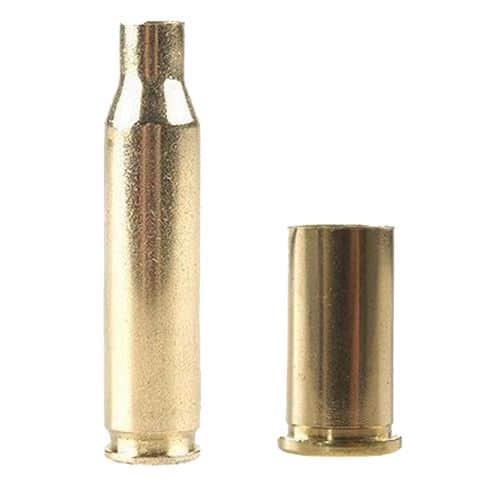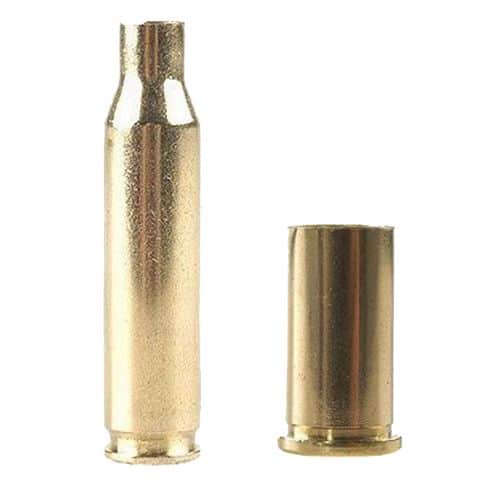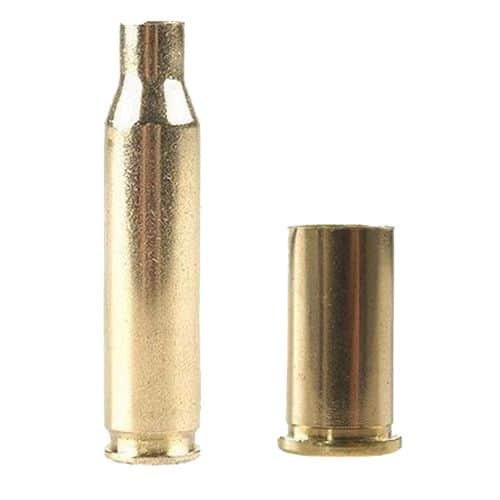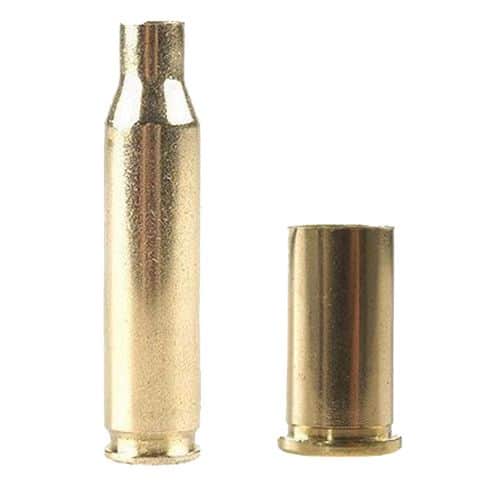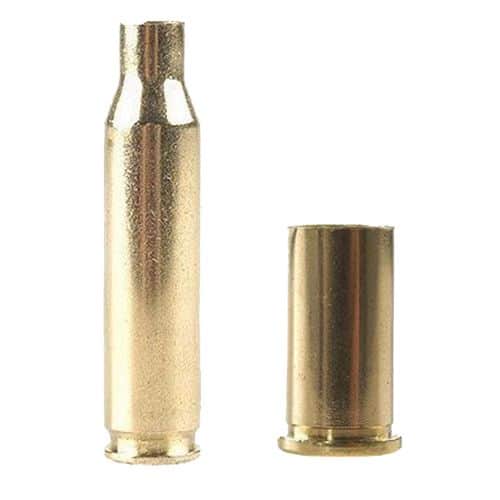





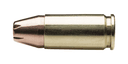
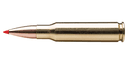

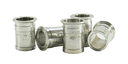


















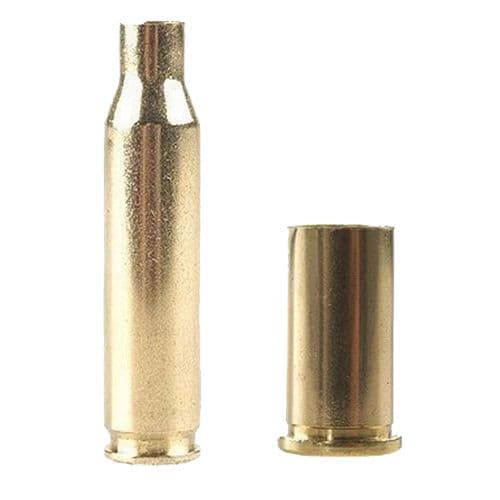

Winchester Ammo WSC270WU Rifle 270 Winchester Brass 50
$43.29
Please Allow 4-5 Business Days for In Store Pickup

Elevating Your Reloading Experience: Winchester .270 Win Unprimed Rifle Brass
For avid shooters, precision hunters, and competitive marksmen, the quest for optimal ammunition performance often leads to the rewarding world of handloading. Crafting your own cartridges provides unparalleled control over critical variables, allowing you to fine-tune loads to your specific firearm, desired velocity, and ballistic trajectory. At the very heart of every meticulously assembled round lies the cartridge case – an often-underestimated component that dictates consistency, accuracy, and reloadability. When it comes to building superior ammunition for the popular .270 Winchester caliber, discerning reloaders consistently turn to components that promise reliability and precision. Winchester, a name synonymous with quality in the firearms industry for generations, offers its WSC270WU Unprimed Cases for the .270 Win, providing a foundational element engineered for excellence.
These unprimed brass cases are designed not merely as containers for powder and projectiles, but as high-performance components critical to achieving the tightest groups and most consistent velocities. Whether you're chasing the elusive perfect load for long-range target shooting, seeking to optimize terminal performance for big game hunting, or simply aiming to reduce your shooting costs without compromising on quality, Winchester's commitment to precise tolerances and robust construction makes these cases an indispensable part of your reloading bench.
Who Benefits from Winchester Unprimed Rifle Brass?
Winchester's unprimed .270 Win cases cater to a diverse range of shooting enthusiasts who understand that the quality of their ammunition directly impacts their results.
- Precision Shooters and Target Enthusiasts: For those striving for sub-MOA accuracy, consistent brass is paramount. Uniform case capacity, consistent neck tension, and precisely formed primer pockets are critical for repeatable shot-to-shot performance, minimizing variations that can throw a shot off target.
- Dedicated Hunters: When a single shot can make or break a hunt, reliability and tailored performance are non-negotiable. Handloading with quality brass allows hunters to develop loads optimized for specific game, distances, and bullet types, ensuring maximum effectiveness and humane harvests.
- Competitive Marksmen: In the unforgiving world of competitive shooting, every advantage counts. Customized loads built on consistent, durable brass help competitors achieve the minute differences in velocity and accuracy that separate winners from the rest of the field.
- Cost-Conscious Reloaders: While the initial investment in reloading equipment exists, the long-term savings are substantial. Using high-quality brass like Winchester's, which is designed for multiple reloads, significantly reduces the cost per round, making more practice and range time affordable.
- DIY Ammunition Enthusiasts: For those who enjoy the process of crafting their own ammunition, selecting superior components is part of the satisfaction. These cases provide a reliable starting point for meticulous load development.
The problem these cases solve is fundamental: they provide a consistent, high-quality, and reliable foundation for any handloader aiming to produce ammunition that outperforms factory-loaded alternatives in terms of precision, customizability, and cost-effectiveness.
The Core of Your Cartridge: Understanding Premium Rifle Brass
The cartridge case is more than just a shell; it's a precisely engineered vessel that contains the primer, powder, and bullet, and must withstand extreme pressures during firing. Its integrity directly influences accuracy, safety, and the ability to reload.
Why Brass Quality Matters for Handloaders
The quality of your rifle brass has a profound impact on several critical aspects of handloading and shooting performance:
- Consistency in Dimensions: High-quality brass, like Winchester's, features uniform wall thickness, consistent neck concentricity, and precise case length. This uniformity ensures consistent bullet seating, uniform neck tension, and predictable chambering, all contributing to superior accuracy.
- Uniform Case Capacity: Variations in internal case volume can lead to inconsistent pressures and velocities, even with identical powder charges. Premium brass maintains tighter tolerances for internal capacity, leading to more predictable ballistic performance.
- Durability and Case Life: Reloaders seek brass that can withstand multiple firing and resizing cycles. Quality brass is made from a specific alloy that balances strength and ductility, allowing it to be reformed repeatedly without cracking or excessive work-hardening. This translates directly to more reloads per case and greater cost savings.
- Primer Pocket Consistency: A well-formed primer pocket ensures consistent primer seating depth and a tight fit, which is crucial for reliable ignition. Loose or inconsistently sized primer pockets can lead to misfires or poor combustion.
- Flash Hole Uniformity: The flash hole connects the primer pocket to the powder charge. A uniform, burr-free flash hole ensures consistent ignition of the powder, which is vital for minimizing velocity standard deviations and maximizing accuracy.
The Anatomy of a Superior Rifle Case
Every part of a rifle case plays a role in its performance. Winchester optimizes each element:
- Headstamp: Clearly marks the manufacturer and caliber, ensuring proper identification.
- Primer Pocket: Precisely formed to securely hold the primer, ensuring reliable ignition and preventing gas leaks. Winchester’s pockets are engineered for consistent primer seating.
- Flash Hole: Uniform and burr-free, it directs the primer's flame efficiently and consistently into the powder charge, critical for uniform burn and velocity.
- Case Head: The solid base of the case, designed to withstand the immense pressures of firing without deforming or rupturing.
- Case Body and Shoulder: Formed to precise SAAMI (Sporting Arms and Ammunition Manufacturers' Institute) specifications for the .270 Win cartridge, ensuring smooth feeding, extraction, and proper chambering in a wide range of firearms.
- Case Neck: Critical for holding the bullet securely with consistent neck tension. Winchester cases are designed to provide optimal neck tension, which contributes significantly to accuracy.
Deep Dive into the .270 Winchester Cartridge
The .270 Winchester is one of the most celebrated and widely used rifle cartridges in North America, renowned for its flat trajectory, moderate recoil, and excellent terminal ballistics on medium to large game. Introduced in 1925, it quickly gained popularity as a superb deer, elk, and antelope cartridge.
Its standard bullet diameter of .277 inches, combined with a variety of bullet weights typically ranging from 130 to 150 grains, allows for versatility. Lighter bullets offer blistering velocities for long-range varmint or antelope hunting, while heavier, more robust bullets are ideal for elk or moose. The cartridge's inherent accuracy potential, coupled with its relatively mild recoil compared to some magnum calibers, makes it a favorite for extended shooting sessions and for hunters who value precision.
Handloading is particularly beneficial for the .270 Win because it allows the reloader to:
- Tailor Muzzle Velocity: Achieve optimal velocities that match specific bullet types for improved ballistic coefficients and energy retention at various distances.
- Optimize Accuracy: Find the "node" – the specific powder charge and bullet seating depth combination that a particular rifle prefers, leading to exceptional group sizes.
- Select Specific Projectiles: Utilize specialized hunting bullets (e.g., bonded, monolithic, partitioned) or competition bullets that may not be available in factory ammunition.
- Control Components: Ensure every component, including the brass, meets the highest standards for consistency and reliability.
Winchester's Legacy of Excellence in Ammunition Components
Winchester's history stretches back over 150 years, built on a foundation of innovation, quality, and reliability. This heritage is deeply embedded in their manufacturing processes for ammunition components, including unprimed brass cases. When you choose Winchester unprimed cases, you're not just buying brass; you're investing in a product backed by decades of expertise and a reputation for excellence.
The phrase "engineered to precise tolerances" is more than just marketing; it's a testament to Winchester's manufacturing philosophy. For reloaders, this translates into:
- Uniformity: Minimal variations in case dimensions, weight, and capacity from one case to the next within a batch. This uniformity is the bedrock of consistent internal ballistics and, ultimately, shot-to-shot accuracy.
- Reliable Feeding and Chambering: The exterior dimensions of Winchester cases are held to tight specifications, ensuring they cycle smoothly through a rifle's action and chamber reliably without hang-ups or excessive force. This is critical for both hunting scenarios where a quick follow-up shot might be needed and in competitive shooting where jams mean lost time and points.
- Durability for Multiple Firings: Winchester brass is known for its ability to withstand numerous reloading cycles. This longevity is achieved through careful control of the brass alloy composition and the annealing process during manufacturing, which relieves stress and maintains the brass's ductility.
Unprimed Winchester .270 Win Cases: Features and Advantages for the Discerning Reloader
The Winchester WSC270WU unprimed cases are specifically designed with the advanced reloader in mind, offering features that contribute directly to superior ammunition.
Precision Engineering for Optimal Performance
- Consistent Case Mouth Concentricity: This ensures that the bullet is seated perfectly straight in the case neck. Any deviation can lead to bullet runout, which severely degrades accuracy as the bullet enters the rifling at an angle. Winchester cases are manufactured to minimize runout, promoting better bullet alignment.
- Uniform Neck Tension: The grip the case neck has on the bullet is called neck tension. Consistent neck tension across all cases in a batch is vital for uniform bullet pull, which in turn leads to consistent pressure curves and muzzle velocities. Winchester brass provides reliable neck tension, crucial for shot-to-shot consistency.
- Precisely Formed Primer Pockets: The primer pocket must securely hold the primer and prevent gas leakage. Winchester ensures consistent primer pocket dimensions, allowing for uniform primer seating depth, which is essential for reliable and consistent ignition of the powder charge. This reduces the likelihood of "flyers" due to inconsistent ignition.
- Consistent Flash Holes: The flash hole's size and concentricity are paramount for uniform powder ignition. Winchester's manufacturing process creates clean, consistent flash holes, ensuring that the flame from the primer reaches the powder charge evenly, promoting a more complete and consistent burn.
Maximizing Case Life and Reloadability
A significant benefit of handloading is the ability to reuse brass, drastically reducing the cost per shot. Winchester brass is crafted to maximize this benefit:
- Durable Brass Alloy Composition: The specific blend of copper and zinc in Winchester's brass is optimized for strength and ductility. This allows the cases to withstand the stresses of firing and resizing without becoming brittle or developing cracks prematurely.
- Resistance to Splitting and Cracking: Particularly in the case neck area, repeated resizing can lead to work-hardening and eventual splitting. Winchester cases are designed to resist this, offering an extended service life. For reloaders seeking to further extend case life, annealing the case necks after a few firings is a recommended practice to restore ductility.
- Longevity through Proper Reloading Practices: While Winchester brass is inherently durable, its maximum life is achieved when paired with good reloading habits. Proper sizing (minimal sizing to chamber), controlled neck tension, and intermittent annealing will ensure these cases serve you for many reloads, making them a very economical choice over time.
The Economic and Performance Benefits of Handloading
Investing in quality unprimed brass like Winchester's contributes to the core advantages of handloading:
- Substantial Cost Savings Per Round: Factory ammunition, especially premium grades, can be expensive. By reloading, you can dramatically reduce the cost per shot, making high-volume practice more accessible and affordable.
- Tailored Loads to Specific Rifles and Bullet Types: Every rifle is unique, and factory ammunition is a "one-size-fits-all" approach. Handloading allows you to find the perfect synergy between your rifle and a specific load, often unlocking accuracy levels simply unattainable with off-the-shelf rounds. You can match the bullet's construction (e.g., bonded, monolithic, hollow point) to its intended use (hunting, target, varmint).
- Achieving Sub-MOA Accuracy: For many, the ultimate goal of handloading is to achieve sub-Minute-of-Angle (MOA) accuracy. High-quality brass is a critical component in this pursuit, providing the consistency needed for tight groups at distance.
- Developing Specialized Loads: Whether it's a specific load for a long-range hunting shot, a reduced recoil load for training, or a load optimized for a particular competition stage, handloading with reliable components provides the flexibility to create ammunition for any scenario.
Getting Started with Winchester .270 Win Unprimed Brass: A Reloader's Guide
While Winchester unprimed cases are ready to be charged, a few preparatory steps ensure optimal performance and longevity.
Essential Steps for Preparing New Brass
Even new, unprimed brass benefits from a few foundational steps before its first firing:
- Initial Inspection: Examine each case for any visual defects, dents, or burrs that may have occurred during transit or manufacturing. While rare with Winchester, a quick check is always prudent.
- Optional: Annealing: Some precision reloaders choose to anneal even new brass, especially the case necks, to ensure uniform softness and neck tension from the very first firing. While not strictly necessary, it can contribute to enhanced consistency and case life.
- Sizing: While often "new," some reloaders prefer to run new brass through a full-length sizing die to ensure perfect chamber fit in their specific rifle and to iron out any minor imperfections from manufacturing. Neck sizing is not typically done on new brass unless the intention is to use it solely for a specific rifle and not fire it first.
- Trimming to Length: New brass generally comes close to maximum cartridge overall length (COL). It's crucial to measure each case and trim it to your desired, consistent length. This ensures uniform case capacity and prevents issues with excess length when chambering or crimping.
- Chamfering and Deburring: After trimming, the case mouth will have sharp edges. Use a chamfering tool to bevel the inside of the case mouth and a deburring tool for the outside. This prevents scratching bullets during seating and ensures smooth bullet entry.
- Primer Pocket Uniforming (Optional but Recommended): For ultimate precision, a primer pocket uniformer tool can be used to ensure all primer pockets are consistently sized and squarely cut. This promotes perfectly seated primers and uniform ignition.
Pairing Your Brass: Primers, Powders, and Projectiles
Once your Winchester cases are prepped, you'll need to select appropriate primers, powders, and projectiles for your .270 Win loads.
- Primers: For the .270 Winchester, large rifle primers are typically used. Refer to reliable reloading manuals for specific primer recommendations for your chosen powder and bullet combination.
- Powders: The .270 Win is compatible with a wide range of medium-to-slow burning rifle powders. Always consult multiple, reputable reloading manuals (e.g., from Hodgdon, Sierra, Hornady, Nosler) to find safe and effective load data for your chosen components. Never exceed maximum published loads.
- Projectiles: A vast array of .277" diameter bullets are available, from lightweight varmint bullets to heavy, bonded hunting bullets. Choose a projectile that matches your intended use and twist rate of your rifle barrel.
Common Questions Answered by Expert Handloaders
When considering unprimed brass, several questions frequently arise:
- Is new brass better than once-fired brass? New brass often offers a more consistent starting point in terms of dimensions and internal capacity. It has not been subjected to the stresses of firing, meaning its brass structure is in its most uniform state. While once-fired brass can be excellent, it requires more initial processing (cleaning, full-length sizing, often annealing) to bring it to a consistent state.
- How many times can I reload Winchester .270 Win brass? The number of reloads depends on several factors: the powder charge (higher pressure loads stress brass more), the specific rifle's chamber dimensions (a "loose" chamber will work brass more), proper resizing techniques (minimal sizing is best), and whether annealing is performed periodically. With careful handloading practices and annealing, Winchester .270 Win cases can often be reloaded 5-10+ times, providing excellent value.
- What's the best way to clean new brass? New brass usually comes clean, but some reloaders prefer to tumble or wash it briefly to remove any manufacturing residues or minor tarnish. Dry tumbling with corn cob or walnut media is common, as is wet tumbling with stainless steel pins for a mirror finish.
- Why are Winchester cases considered high quality? Winchester's reputation stems from their long-standing commitment to quality control, precise manufacturing processes, and use of proprietary brass alloys that balance durability with malleability. Their cases are known for consistency in dimensions, primer pocket integrity, and overall strength, leading to reliable performance and multiple reloads.
- Can I use this brass for both hunting and target shooting? Absolutely. The consistency and durability of Winchester .270 Win unprimed cases make them suitable for both applications. You can develop separate loads optimized for precision target shooting (e.g., lighter bullets, specific powder charges for accuracy) and for hunting (e.g., heavier, more robust bullets for terminal performance), all built upon the same reliable brass foundation.
Why Choose Winchester Unprimed Cases for Your Next Reloading Project?
Selecting Winchester WSC270WU Unprimed Cases for your .270 Win handloads is a decision to prioritize consistency, reliability, and value. These cases are not just components; they are a direct extension of Winchester's century-plus legacy of quality in ammunition manufacturing. By choosing Winchester, you are leveraging a product specifically engineered to ensure smooth-feeding and positive chambering in your rifle, shot after shot. This dedication to precision translates into more consistent velocities, tighter groups, and a greater sense of confidence in your custom-loaded ammunition, whether you're at the range or in the field. For any reloader seeking to maximize the potential of the venerable .270 Winchester cartridge, Winchester unprimed brass offers the dependable foundation needed to build truly exceptional ammunition.
Product Specifications: Winchester WSC270WU Unprimed Cases
| Attribute | Detail |
|---|---|
| Brand | Winchester Ammo |
| Model | Unprimed Cases |
| Caliber | .270 Win |
| Material | Brass |
| Firearm Type | Rifle |
| Quantity | 50 Per Bag |
| SKU | 65385 |
| UPC | 020892631960 |
| MPN | WSC270WU |
Specifications
Explore the specific details and characteristics
- SKU
- 65385
- UPC
- 020892631960
- MPN
- WSC270WU