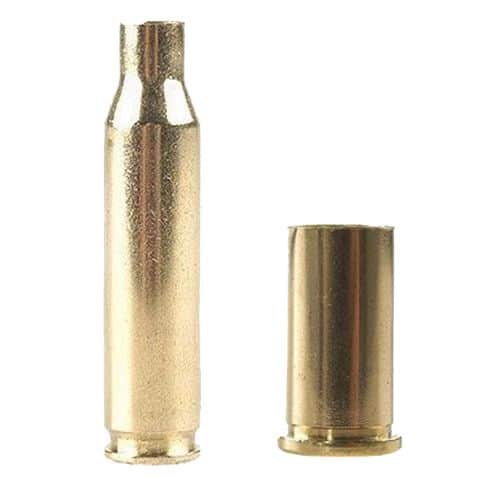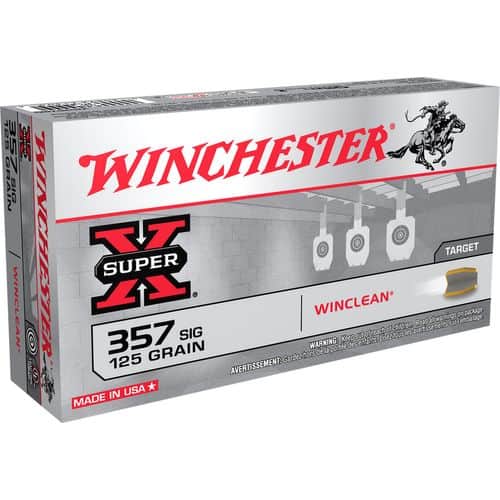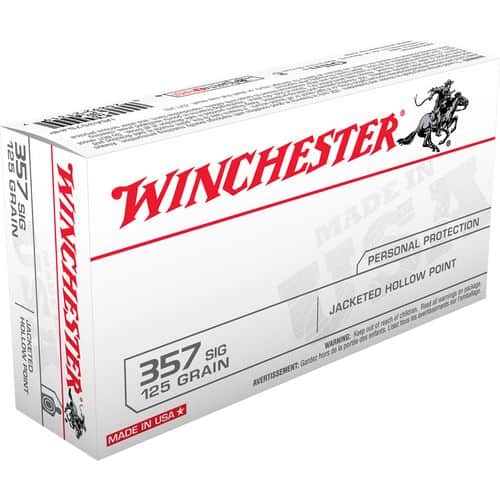





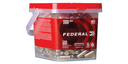
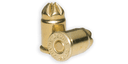

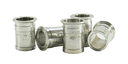
























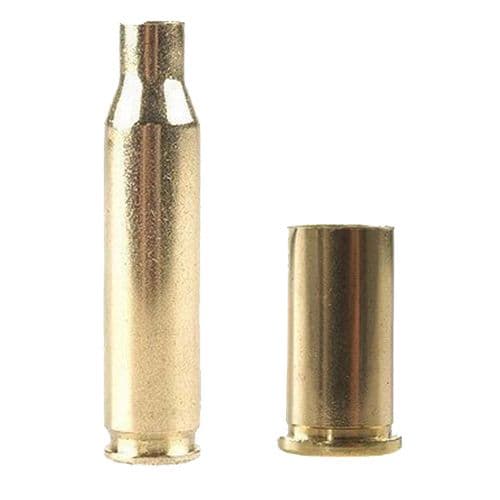

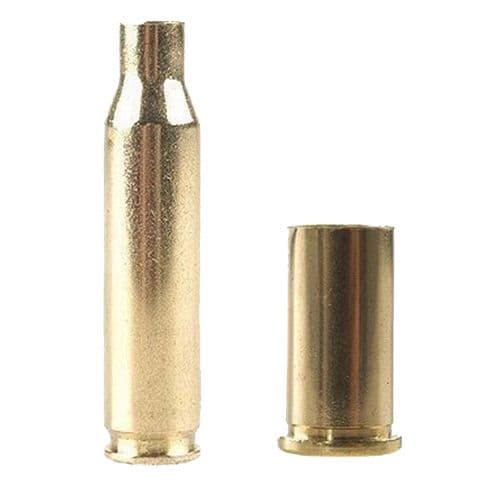
Winchester Ammo WSC357SIGU 357 Sig Brass 100
$44.29
Please Allow 4-5 Business Days for In Store Pickup

The Ultimate Guide to Winchester .357 SIG Unprimed Handgun Brass: Empowering Precision Reloaders
For dedicated firearms enthusiasts, competitive shooters, and self-defense practitioners, the ability to craft custom ammunition offers unparalleled control, performance, and cost savings. At the heart of this endeavor lies quality brass, the foundational component that dictates consistency, reliability, and the longevity of your reloading efforts. Among the myriad options available, Winchester Ammo's WSC357SIGU Unprimed Cases for the .357 SIG handgun cartridge stand out as a premier choice, meticulously engineered to meet the stringent demands of serious reloaders. This comprehensive guide delves into why these Winchester cases are an indispensable asset for anyone looking to optimize their .357 SIG ammunition.
Why Reload .357 SIG Ammunition? The Advantages of Handloading
The .357 SIG is a formidable cartridge, celebrated for its flat trajectory, high velocity, and impressive terminal performance, often likened to the ballistics of a .357 Magnum from a pistol-caliber platform. However, factory-loaded .357 SIG ammunition can be relatively expensive and less common than other calibers. This is where reloading becomes not just a hobby, but a strategic advantage.
Reloading the .357 SIG offers a multitude of benefits:
- Significant Cost Savings: The most immediate and tangible benefit is the reduction in ammunition costs. Once you invest in the initial equipment, the price per round plummets, especially when components like quality unprimed brass are reused multiple times.
- Tailored Performance: Factory ammunition, by necessity, is designed for a broad range of firearms and applications. Handloading allows you to precisely tune your loads for your specific firearm, optimizing for accuracy, velocity, recoil, and specific bullet types. Whether you're chasing tighter groups on the target range, seeking optimal performance for personal defense, or developing hunting loads, custom ammunition delivers.
- Enhanced Accuracy: Consistent brass is a cornerstone of accuracy. By carefully controlling powder charges, bullet seating depth, and using high-quality components like Winchester brass, reloaders can achieve unparalleled consistency from round to round, leading to improved group sizes.
- Component Flexibility: Reloading opens up a vast world of bullet choices, powder types, and primers. This flexibility allows you to experiment and find the perfect combination for any given scenario or desired ballistic outcome.
- Control Over Quality: When you handload, you are in direct control of every component and every step of the process. This ensures that you know exactly what goes into your ammunition, fostering confidence in its performance and safety.
Winchester Ammo: A Legacy of Excellence in Ammunition Components
Winchester has been synonymous with quality ammunition and components for well over a century. Their commitment to precision manufacturing and rigorous quality control has earned them a reputation as a trusted name among shooters and reloaders worldwide. When you choose Winchester Unprimed Cases, you're not just buying brass; you're investing in a legacy of engineering excellence.
What sets Winchester brass apart?
- Consistent Material Composition: Winchester uses high-quality brass alloys that are carefully controlled for metallurgy. This consistency is crucial for uniform case expansion and contraction during firing and resizing, leading to longer case life and predictable performance.
- Precise Manufacturing Tolerances: Each case is manufactured to extremely tight tolerances, ensuring uniform dimensions, consistent case capacity, and proper fit in chamber and reloading dies. This precision contributes directly to improved accuracy and reliable feeding.
- Annealing Process: While often unseen, the annealing process (heat treatment) of the case mouth and shoulder is critical for durability and preventing cracks. Winchester brass is expertly annealed to optimize its ductility, allowing it to withstand the stresses of firing and repeated resizing.
- Primer Pocket Uniformity: The primer pocket dimensions are consistent, allowing for reliable primer seating and ignition. This detail is often overlooked but is vital for consistent ignition and overall load performance.
The .357 SIG Cartridge: A Closer Look at its Unique Demands
The .357 SIG is a bottlenecked cartridge, meaning its case tapers from a wider base to a narrower neck that holds a 9mm bullet. This design, derived from the .40 S&W case, allows it to push a 9mm projectile to very high velocities, often exceeding 1,400 feet per second. The bottleneck design, while contributing to its ballistic prowess, also places specific demands on the brass during reloading.
Key characteristics and considerations for .357 SIG brass:
- High Pressures: The .357 SIG operates at high pressures, similar to some rifle cartridges. This necessitates strong, durable brass that can withstand these forces repeatedly without premature failure. Winchester brass is designed with this in mind.
- Bottleneck Resizing: Reloading bottlenecked cases requires careful attention to neck sizing. Over-resizing can lead to excessive work hardening and cracking, while under-resizing can cause feeding issues. The consistent quality of Winchester brass aids in smoother, more forgiving resizing.
- Case Trimming: Due to the bottleneck design and high pressures, .357 SIG cases may stretch more than straight-walled pistol cases. Regular case trimming to maintain consistent overall length is vital for safety and accuracy. Winchester cases, with their inherent durability, tend to exhibit predictable stretching patterns.
Winchester WSC357SIGU Unprimed Cases: An In-Depth Analysis
The Winchester WSC357SIGU product offers 100 pieces of unprimed .357 SIG handgun brass per bag, providing a substantial supply for multiple reloading sessions. Unprimed cases are the preferred choice for serious reloaders as they allow for complete control over the primer selection and seating process, ensuring optimal performance for specific load recipes.
Key features of these Winchester cases that benefit the reloader:
- Clean and Ready for Preparation: As unprimed cases, they arrive without primers, allowing you to clean, size, and prime them according to your specific reloading process. This provides maximum flexibility for your chosen primers and equipment.
- Consistent Flash Holes: Uniform flash holes are critical for consistent ignition. Winchester's manufacturing process ensures that the flash holes are centered and of consistent diameter, promoting reliable primer ignition and uniform powder burn.
- Durable Construction: Built to withstand multiple reloading cycles, these cases offer excellent longevity. While proper case preparation and reasonable loads are always important, the inherent durability of Winchester brass helps extend the life of each case, maximizing your investment.
- Optimal for Progressive Presses: For high-volume reloaders using progressive presses, the consistent dimensions of Winchester brass ensure smooth operation, reducing jams and ensuring a steady flow of finished ammunition.
- The Foundation for Precision: Every step of the reloading process, from case preparation to powder charging and bullet seating, relies on the quality of the brass. By starting with Winchester's precisely engineered cases, you lay the groundwork for accurate, reliable, and safe ammunition.
The Reloading Journey with Winchester .357 SIG Brass
For those new to reloading or seasoned veterans looking to refine their process, here’s a simplified overview of how Winchester Unprimed Cases fit into the creation of custom .357 SIG ammunition:
- Inspection: Upon receiving your Winchester WSC357SIGU cases, visually inspect them for any imperfections. While rare with new brass, this is a good habit.
- Sizing and Decapping (if not new, but these are unprimed): For fired cases, this step reshapes the case to proper dimensions and removes the spent primer. For new, unprimed cases, a pass through a sizing die (often with a decapping pin removed, or just a sizing die that doesn't push out a primer) might be done by some reloaders for consistency, though it's often not strictly necessary with new, quality brass like Winchester.
- Case Trimming: Measure each case's length. If it exceeds the maximum specified length for .357 SIG, trim it back to the proper trim-to length. This prevents crimp buckling and excessive pressure.
- Chamfering and Deburring: After trimming, chamfer the inside of the case mouth and deburr the outside. This facilitates smooth bullet seating and prevents damage to the bullet or case.
- Cleaning (Optional for New Brass, but Recommended): While new brass is generally clean, some reloaders prefer to tumble or wash it to ensure absolute cleanliness, especially if storing for a long time before loading.
- Priming: Seat your chosen small pistol primers into the primer pockets of the Winchester cases. Ensure primers are seated flush or slightly below the case head for safe and reliable firing.
- Powder Charging: Carefully dispense the precise amount of chosen smokeless powder into each case using a scale and powder measure.
- Bullet Seating: Seat the projectile to the correct overall length (OAL) for your specific firearm and bullet type.
- Crimping: Apply a light crimp (usually a taper crimp for .357 SIG) to secure the bullet and remove any flare from the seating process. Avoid over-crimping, which can buckle the case or prematurely wear the brass.
Common Questions About Reloading .357 SIG with Winchester Brass
Here are answers to frequently asked questions that reloaders often have when working with .357 SIG brass:
- How many times can I reload Winchester .357 SIG brass?
The lifespan of brass depends on several factors: the pressure of your loads, the chamber support of your firearm, and your case preparation techniques. With moderate loads and proper care (including annealing the case mouths periodically for very high-pressure loads), Winchester .357 SIG brass can often be reloaded 5-10 times or even more. Always inspect cases for cracks or signs of fatigue before each use. - Do I need to clean new Winchester unprimed brass before loading?
While new Winchester brass is typically clean from the factory, some reloaders prefer to tumble or wash it to remove any manufacturing residue or tarnish. This is largely a matter of personal preference and does not usually impact performance if skipped for new brass. - What is the best way to store unprimed brass?
Store Winchester unprimed brass in a cool, dry place away from direct sunlight and extreme temperature fluctuations. Original packaging or sealed containers like plastic bins work well to prevent tarnishing and maintain their condition. - Why is consistent case length important for .357 SIG?
Consistent case length is crucial for the .357 SIG because of its bottleneck design. Cases that are too long can interfere with proper chambering, leading to excessive pressure if the bullet jams into the rifling. It also ensures consistent crimping and bullet retention. - Where can I find reliable reloading data for .357 SIG?
Always consult multiple reputable reloading manuals (e.g., Speer, Hornady, Lyman, Lee, Nosler) for verified load data. Start with minimum loads and work up incrementally while watching for pressure signs. Never use untested or unverified load data.
Maximizing Your Investment: Longevity and Care for Winchester Brass
To ensure your Winchester WSC357SIGU cases provide maximum reload cycles and consistent performance, consider these care tips:
- Clean After Firing: Clean your brass after each firing to remove carbon fouling, which can be abrasive and interfere with sizing. Tumbling with corn cob or walnut media, or wet tumbling with stainless steel pins, are popular methods.
- Inspect Thoroughly: Before each reloading cycle, meticulously inspect every case for signs of fatigue, such as cracks in the neck or shoulder, splits in the case body, or stretched primer pockets. Discard any compromised cases immediately.
- Annealing: For high-pressure cartridges like the .357 SIG, periodic annealing of the case necks and shoulders can restore ductility and prevent work hardening that leads to cracking. This is an advanced technique, but one that significantly extends brass life.
- Proper Die Setup: Ensure your resizing die is properly set up to size the brass just enough to achieve proper chambering without overworking the brass. Excessive sizing can shorten case life.
Conclusion: The Foundation for Superior .357 SIG Ammunition
For reloaders seeking to produce high-performance, cost-effective, and supremely accurate .357 SIG ammunition, the quality of their components is paramount. Winchester Ammo WSC357SIGU Unprimed Cases provide that essential foundation. Engineered with Winchester's renowned precision and commitment to quality, these brass cases offer the consistency, durability, and reliability necessary to unlock the full potential of your handloads. Whether you're aiming for competitive excellence, reliable self-defense loads, or simply enjoying the rewarding craft of reloading, choosing Winchester brass ensures you're starting with the very best. Elevate your reloading experience and achieve unmatched performance for your .357 SIG handgun by selecting these exceptional cases. You can find these essential Winchester reloading components readily available at trusted retailers like DEGuns.com.
Product Specifications: Winchester .357 SIG Unprimed Cases
| Feature | Detail |
|---|---|
| Brand | Winchester Ammo |
| Model | Unprimed Cases |
| Caliber | .357 SIG |
| Material | Brass |
| Firearm Type | Handgun |
| Quantity | 100 Per Bag |
| SKU | 67792 |
| MPN | WSC357SIGU |
| UPC | 020892633063 |
Specifications
Explore the specific details and characteristics
- SKU
- 67792
- UPC
- 020892633063
- MPN
- WSC357SIGU