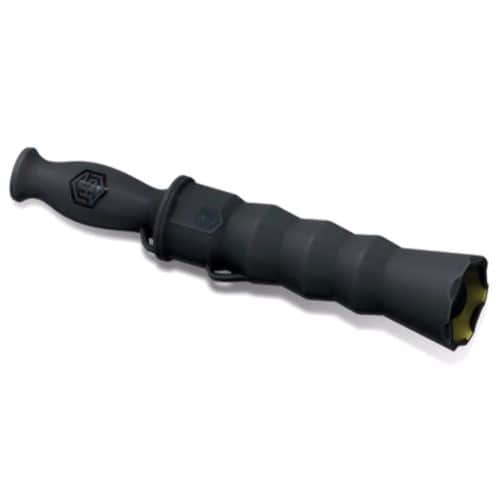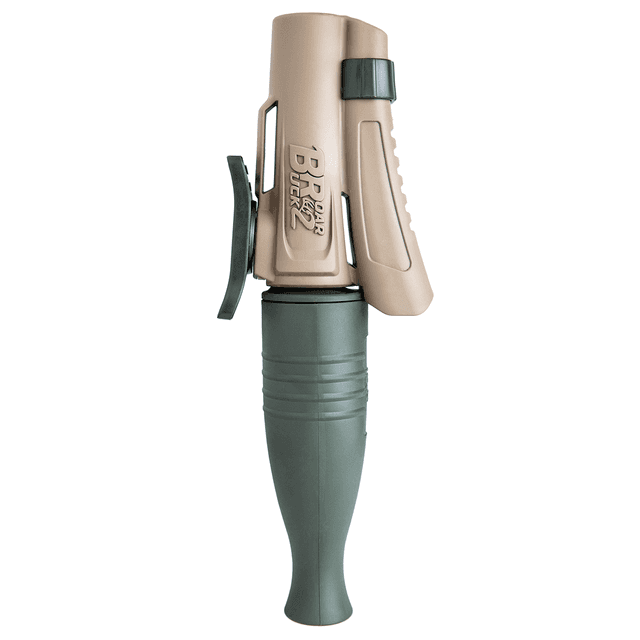




















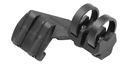







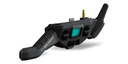



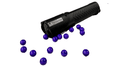










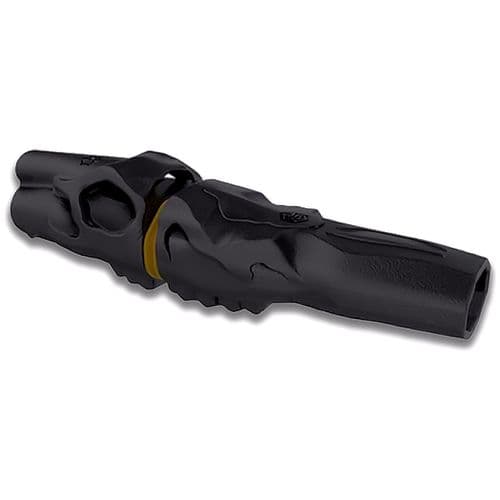

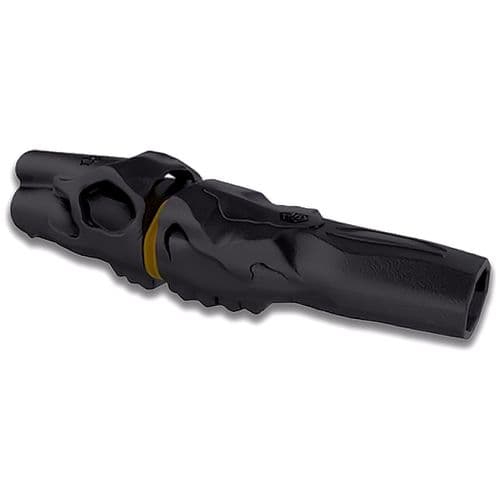
Drury Outdoors HSDODBBDC Buck Bark Attracts Deer Black Rubber
$0.00
Please Allow 4-5 Business Days for In Store Pickup

When the crisp air of autumn settles in and the whitetail rut begins to stir the woods, every serious deer hunter knows the true challenge: effectively communicating with and attracting wary deer. It’s not enough to simply be present; you need to speak their language, to draw them in with sounds that are so authentic, they can’t be ignored. For hunters seeking that vital edge, for those who ask, "What's the most effective and reliable deer call for the season?" or "How can I master realistic deer vocalizations?", the answer often lies in a tool specifically engineered for precision and durability: the Drury Outdoors Buck Bark.
This essential piece of deer hunting gear is meticulously designed to mimic the exact vocalizations of both bucks and does, turning a quiet morning into an active encounter. Whether you’re setting up in a treestand, navigating a dense forest, or sitting patiently in a ground blind, the ability to generate compelling deer sounds on demand can be the difference between a successful hunt and a missed opportunity. This comprehensive guide will explore how the Drury Outdoors Buck Bark helps hunters solve the problem of attracting deer, delve into its unique attributes, and provide strategies for its optimal use, ensuring you're always prepared to answer the call of the wild.
The Art and Science of Deer Vocalizations: Why Sound Matters
Deer are highly social animals, relying heavily on vocal cues for communication within their herds and territories. Understanding these sounds is foundational to effective calling. Bucks grunt to express dominance, challenge rivals, or signal their presence to does. Does bleat to communicate with fawns, express contentment, or signal receptiveness during the rut. Fawns bleat to locate their mothers or express distress. The effectiveness of any deer call hinges on its ability to faithfully reproduce these nuanced sounds, making them indistinguishable from actual deer.
Many hunters find themselves asking, "What are the most common deer sounds to mimic?" or "How can I make my deer calling more realistic?" The answer isn't just about volume; it's about authenticity and timing. A well-placed, realistic call can reassure wary deer, pique the curiosity of a cruising buck, or even ignite a territorial challenge that brings a dominant male into range. This is where a high-quality, versatile call like the Drury Outdoors Buck Bark becomes invaluable. It's built not just to make noise, but to produce the specific, compelling tones that resonate deeply within the deer world.
Unpacking the Drury Outdoors Buck Bark: Design, Durability, and Versatility
The Drury Outdoors Buck Bark stands out in the crowded market of deer calls due to its intelligent design and the philosophy behind its creation. Engineered by Mark and Terry Drury, two of the most respected names in outdoor hunting, this call incorporates decades of in-field experience and a deep understanding of whitetail behavior. When hunters ponder, "What makes a deer call reliable and effective in all conditions?", the material and construction are key considerations.
- Premium Black Rubber Construction: Unlike many calls made from rigid plastics, the Drury Outdoors Buck Bark is crafted from robust black rubber. This isn't merely a design choice for aesthetics; it's a strategic decision for performance and longevity.
- Durability: The rubber construction makes the call exceptionally durable, able to withstand the rigors of harsh outdoor environments, accidental drops, and extreme temperature fluctuations without cracking or becoming brittle. This means your call performs reliably season after season.
- Stealth and Silence: The inherent quietness of rubber is a distinct advantage. If the call accidentally bumps against your rifle, bow, or gear, it produces minimal noise, preserving your stealth in the field. Hard plastic calls can create jarring, unnatural sounds that alert wary deer.
- Temperature Stability: Rubber maintains its flexibility and tonal quality across a wide range of temperatures, from freezing cold mornings to warmer early season days. This consistency ensures that the sound produced remains true and realistic, regardless of the weather conditions that hunters frequently encounter.
- Enhanced Grip: The tactile nature of the rubber provides a secure grip, even with gloved hands or in wet conditions, preventing accidental slips and fumbles when a critical moment arises.
- Versatile Sound Profile: The core function of any deer call is its ability to produce accurate vocalizations. The Drury Outdoors Buck Bark is designed to be highly versatile, allowing hunters to produce a range of sounds critical for various hunting scenarios.
- Authentic Buck Grunts: From deep, guttural tending grunts to shorter, more aggressive challenge grunts, the Buck Bark can accurately replicate the sounds of a dominant buck. These are particularly effective during the rut to draw in other bucks looking for a fight or does seeking an eager suitor. Hunters often ask, "How do I make a realistic buck grunt?", and this call provides the precision needed.
- Realistic Doe Bleats: The call also excels at producing convincing doe bleats, including the common estrus bleat which signals a doe in heat, highly attractive to cruising bucks. It can also produce the softer social bleats that reassure deer.
- Fawn Distress Calls (Optional tones): While primarily a buck/doe call, subtle manipulation can sometimes yield fawn-like sounds, which can elicit a protective response from does or pique the curiosity of a nearby buck.
- Ease of Use for All Skill Levels: Whether you're a seasoned veteran or new to deer calling, the Drury Outdoors Buck Bark is designed for intuitive operation. Its ergonomic form factor fits comfortably in hand, and the internal reed system allows for simple adjustments to tone and volume, making it easy to learn and master a variety of calls quickly.
Mastering Your Deer Calling Strategy with the Drury Outdoors Buck Bark
Knowing when and how to use your deer call is as important as the call itself. Many hunters search for "effective deer calling strategies" or "when to use a grunt tube during the rut." The Drury Outdoors Buck Bark empowers you to implement various tactics throughout the hunting season.
- Early Season (September-October):
- Scenario: Deer are often in bachelor groups or family units. Bucks are still growing antlers, and the rut is far off.
- Strategy: Use soft contact grunts or social bleats to locate deer or bring them into view. Focus on mimicking contented deer sounds. Avoid aggressive calling, as it can spook deer this time of year.
- Drury Outdoors Buck Bark Use: Subtle grunts and soft bleats. Use sparingly, listening for responses.
- Pre-Rut (Late October-Early November):
- Scenario: Bucks begin to break up from bachelor groups, scrape activity increases, and deer become more active. Bucks are starting to cruise for does.
- Strategy: Increase calling frequency and intensity. Mix in tending grunts and occasional challenge grunts. Doe bleats can also be very effective to pull in cruising bucks.
- Drury Outdoors Buck Bark Use: Combine tending grunts (longer, drawn-out grunts) with estrus bleats. Periodically throw in a short, sharp challenge grunt if you suspect a buck is nearby.
- The Rut (Mid-November):
- Scenario: Peak breeding activity. Bucks are constantly on the move, chasing does, and highly responsive to vocalizations. This is often when hunters ask, "What's the best deer call for the rut?"
- Strategy: Aggressive calling is often effective. Dominant bucks are territorial and competitive. Challenge grunts, tending grunts, and doe estrus bleats can trigger immediate responses. Consider grunt-snort-wheezes if you can master them with the call (or simulate a separate snort-wheeze).
- Drury Outdoors Buck Bark Use: Heavy use of aggressive grunts. Use sequences of grunts followed by estrus bleats. If you spot a buck, try a short, sharp grunt to stop him for a shot, or a tending grunt if he's with a doe.
- Post-Rut (Late November-Early December):
- Scenario: Breeding activity winds down. Bucks are exhausted and focused on feeding.
- Strategy: Return to softer, more subtle calls. Contact grunts and social bleats can work, especially if you're trying to locate deer feeding in cover. Aggressive calling is generally less effective.
- Drury Outdoors Buck Bark Use: Soft grunts and bleats, used sparingly to locate deer or bring curious animals closer.
- Calling in Combination with Other Tactics:
- Scent Control: Always combine calling with meticulous scent control. A deer that hears a realistic call but smells human odor will quickly flee.
- Decoys: Pairing the Buck Bark with a deer decoy (especially a buck or estrus doe decoy) can create a powerful visual and auditory illusion, making your setup incredibly compelling.
- Wind Direction: Always call with the wind in your favor. Deer will circle downwind to scent-check the source of the sound. Position yourself so the deer has to pass through your shooting lane before getting your wind.
- Patience: Not every call will yield an immediate response. Be patient, call in sequences, and wait for deer to respond. It's often better to call less frequently but more effectively.
Common Questions and Expert Tips for Deer Calling Success
Many aspiring and experienced hunters often have similar questions about deer calling. Here are some addressed with the Drury Outdoors Buck Bark in mind:
- "How loud should I call?" This depends on the conditions. In open terrain or windy conditions, you might need to call louder. In thick cover or still conditions, keep it softer. Always start soft and increase volume if no response. The Buck Bark allows for this versatility.
- "How often should I call?" Avoid over-calling. Too much can sound unnatural or overwhelming. During the rut, you can be more aggressive, but typically, sequences of 1-3 grunts or bleats every 15-30 minutes are sufficient, especially if you're blind calling. If you spot a deer, call just enough to draw their attention or stop them.
- "Should I call when deer are looking at me?" Generally, no. If a deer is looking directly at you, it has likely pinpointed your location. Wait until its head is down or it looks away before calling again.
- "What if I don't get a response?" Don't get discouraged. Deer behavior is unpredictable. Change locations, try different call types, or switch to a different strategy (like still-hunting or rattling) if calling isn't working.
The Proven Advantage of Choosing Drury Outdoors
When you invest in the Drury Outdoors Buck Bark, you're not just purchasing a piece of gear; you're gaining access to a tool refined by some of the most successful deer hunters in the country. Mark and Terry Drury's reputation for understanding whitetail behavior is unparalleled, and every product they put their name on is a testament to their dedication to helping hunters succeed. This call provides:
- Unwavering Authenticity: The sounds produced are incredibly lifelike, a critical factor for fooling the keen senses of wild deer.
- Rugged Dependability: The black rubber construction means it's built to last, providing reliable performance hunt after hunt, season after season. It won't freeze up or become brittle when the temperatures plummet.
- Strategic Advantage: In a sport where success often hinges on small details, the ability to control the deer's response with realistic vocalizations provides a significant advantage, increasing your odds of a closer encounter and a successful harvest.
The Drury Outdoors Buck Bark isn't just an accessory; it's an integral part of an effective deer hunting strategy. It answers the call for a high-performance, durable, and easy-to-use deer call that gives hunters the confidence to "speak deer" with authority.
Where to Find Your Drury Outdoors Buck Bark
For hunters ready to elevate their calling game and draw in those elusive whitetails, the Drury Outdoors Buck Bark (model HSDODBBDC) is a crucial addition to your hunting arsenal. This exceptional deer call is readily available at DEGuns, your trusted source for premium hunting and outdoor equipment. At DEGuns.com, you'll find the specific model engineered to deliver unparalleled realism and durability in the field. Embrace the effectiveness of a call designed by hunters, for hunters, and prepare to experience the thrill of more successful deer encounters.
| Feature | Description | Benefit for Hunter |
|---|---|---|
| Model Number | HSDODBBDC | Easy identification and reordering. |
| Construction Material | Black Rubber | Extremely durable, quiet, flexible in cold, excellent grip. |
| Sound Capability | Realistic Buck Grunts, Doe Bleats, adjustable tones | Versatile for all seasons and deer behaviors, highly attractive to deer. |
| Designed By | Mark & Terry Drury (Drury Outdoors) | Expert-engineered, field-proven effectiveness. |
| UPC | 815309020474 | Unique product identifier for reliable ordering and inventory management. |
| Primary Use | Attracting Whitetail Deer | Increases chances of successful hunts and close encounters. |
| Portability | Compact and lightweight | Easy to carry in a pocket or on a lanyard without hindrance. |
| Maintenance | Low maintenance, easy to clean | Requires minimal effort to keep in top working condition for consistent sound. |
Specifications
Explore the specific details and characteristics
- SKU
- 51241