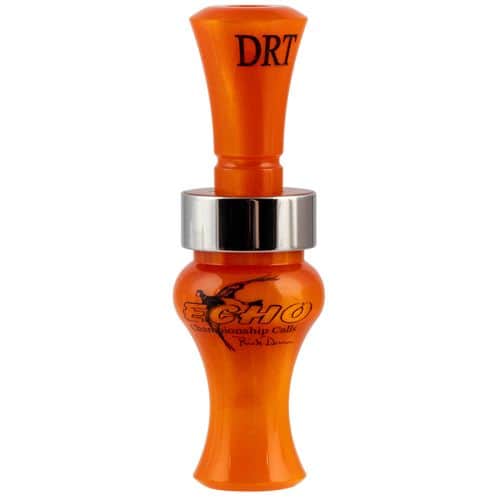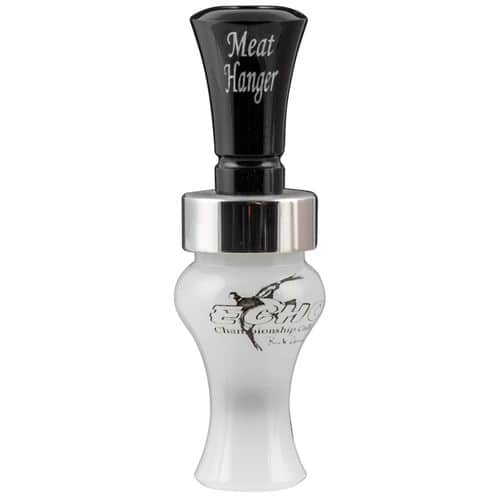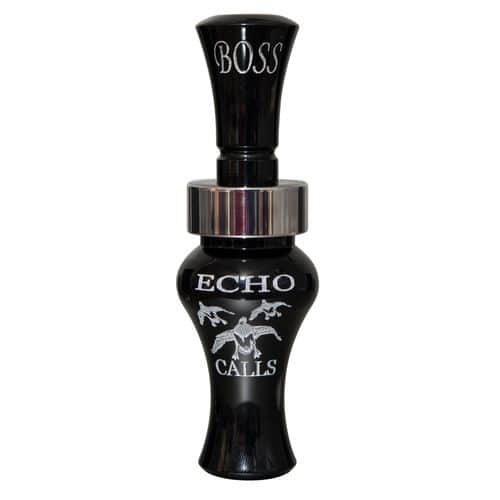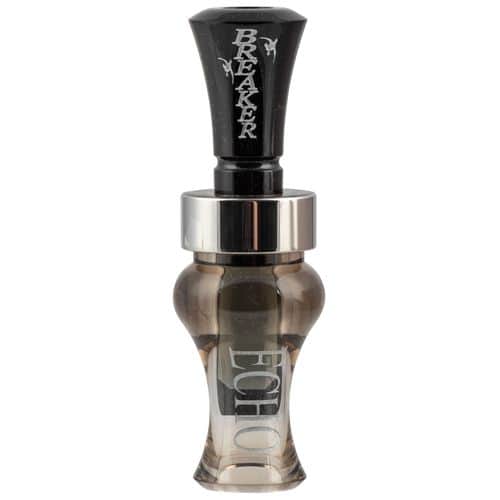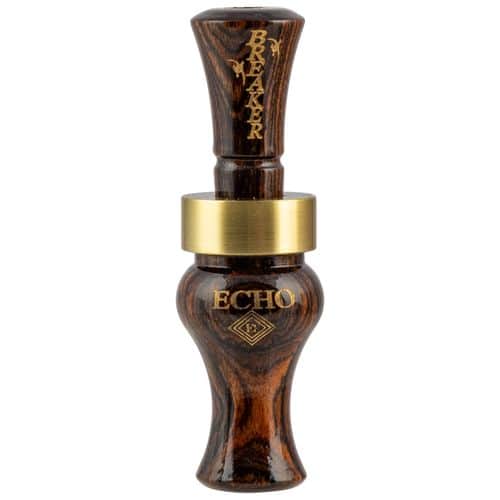
























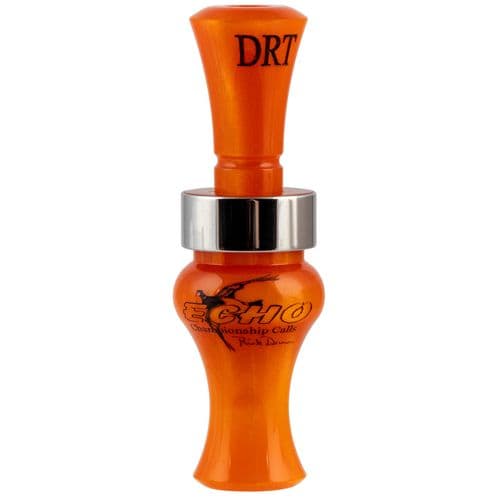

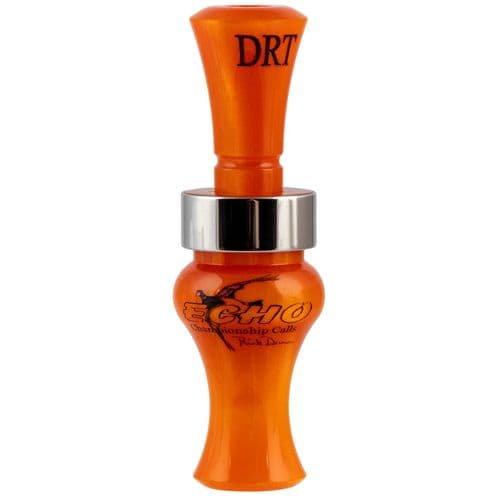
Echo Calls 79026 Timber Double Reed Mallard Sounds Attracts Ducks Orange Pearl Acrylic
$0.00
Please Allow 4-5 Business Days for In Store Pickup

Elevate Your Waterfowl Success: Mastering Mallard Vocalizations with the Echo Calls Timber Double Reed Duck Call
Are you a dedicated waterfowl hunter constantly seeking to refine your technique and consistently bring more birds into your spread? Do you find yourself asking, "What's the best duck call for timber hunting?" or "How can I make my mallard calls sound more realistic and enticing?" Look no further. The Echo Calls Timber Double Reed Duck Call in striking Orange Pearl Acrylic, identified by its product model 79026, is meticulously crafted to be your ultimate tool for attracting wary mallards. This isn't just another duck call; it's a precision instrument designed for the discerning hunter who demands performance, reliability, and the ability to perfectly mimic the intricate language of a hen mallard.
Who is This Premier Duck Call Designed For?
This exceptional call is ideally suited for a diverse range of duck hunting enthusiasts:
- The Avid Timber Hunter: Its "Timber" design is specifically engineered for the unique acoustics of flooded timber and tight cover. In dense woods, sound doesn't travel as far, requiring a call that can cut through the environment with clarity and precision without being overly loud or "blasty." The Echo Calls Timber Double Reed excels here, allowing for subtle, realistic vocalizations that resonate effectively in close quarters.
- The Novice and Intermediate Caller: The double-reed system is inherently more forgiving and easier to master than a single-reed call. This makes the Echo Calls 79026 an excellent choice for those just starting their calling journey or intermediate callers looking to improve their consistency and expand their repertoire of mallard sounds without struggling with excessive air control.
- The Experienced Waterfowler: Even seasoned callers will appreciate the unparalleled realism and versatility offered by this call. Its ability to produce a full spectrum of mallard vocalizations with minimal effort allows expert callers to focus on reading bird reactions and adapting their calling strategy in real-time, fine-tuning their approach for maximum effectiveness.
- Anyone Seeking Realistic Mallard Sounds: If your primary goal is to sound exactly like a contented hen mallard, capable of drawing birds down from high altitudes or convincing them to finish into your decoys, this call is engineered for that exact purpose.
The Problem It Solves: Overcoming Common Duck Calling Challenges
Many hunters face common frustrations when trying to attract mallards:
- Unrealistic Sounds: Generic calls often produce flat or unnatural sounds that educate birds rather than attract them. The Echo Calls Timber Double Reed is expertly tuned to replicate the authentic sounds of a hen mallard.
- Difficulty in Consistency: Struggling to consistently produce clear, realistic quacks, greetings, and feeding chuckles can be disheartening. The double-reed system simplifies air control, allowing for more consistent and accurate calling.
- Ineffectiveness in Specific Habitats: A call designed for open water might sound too loud or unnatural in the quiet confines of flooded timber. This call's "Timber" design addresses this directly, ensuring optimal performance where ducks often seek refuge.
- Lack of Durability: Hunting conditions are tough. Calls that crack, fade, or lose their tuning quickly are a liability. The robust acrylic construction ensures longevity and consistent performance season after season.
The Echo Calls Timber Double Reed Mallard Call (model 79026) is the definitive answer to these challenges, providing a reliable, realistic, and user-friendly solution for any duck hunter serious about their craft.
Unpacking the Superiority: Key Features and Benefits
The excellence of the Echo Calls 79026 lies in its thoughtful design and premium construction:
- Double Reed System: The Heart of Realistic Mallard Vocalizations
- Easier to Master: Unlike single-reed calls that require precise backpressure and air control, the double-reed system is more forgiving, making it simpler for callers of all skill levels to produce natural sounds. This means less frustration and more time perfecting your cadence and repertoire.
- Versatility in Tone: While often considered easier, the double reed does not sacrifice versatility. It allows for a wide range of tones, from soft, contented clucks and feeding chuckles that convey safety and abundance, to louder, urgent comeback calls designed to grab the attention of distant birds.
- Realistic Quacks: The double-reed design excels at replicating the raspy, lifelike quacks of a hen mallard, which is crucial for convincing wary ducks that your spread is a genuine, inviting refuge.
- "Timber" Specific Design: Optimized for Dense Environments
- Muted Volume Profile: In the timber, loud calls can often sound unnatural or blow out the birds. The Timber design of the Echo Calls 79026 is tuned to produce a slightly softer, more controlled volume, perfect for the shorter sound distances and intimate settings of flooded woods.
- Responsive and Quick: The call is designed to be highly responsive, allowing for quick, sharp quacks and subtle, intricate feeding chuckles that are essential when birds are working close and you need to communicate naturally without over-calling.
- Less Air Required: Operating effectively in timber often means shorter, sharper bursts of air. This call is designed to require less air, reducing caller fatigue and allowing for more controlled, nuanced calling sessions.
- Mallard Sounds: A Symphony of Authenticity
- Comprehensive Mallard Repertoire: This call is specifically tuned to produce a full range of authentic mallard vocalizations, including:
- Basic Quack: The foundational sound, used to signal presence and contentment.
- Greeting Call: A series of five to seven descending quacks, used to invite flying ducks to land.
- Comeback Call: A louder, more insistent series of quacks, often in groups of three to five, used to turn birds that are flying away.
- Feeding Chuckle: A series of soft, rapid, guttural sounds indicating contented feeding, highly effective at luring birds into close range.
- Lonesome Hen: A long, drawn-out quack used to attract a mate or other ducks.
- Pitched for Authenticity: The tone board and reed system are meticulously engineered to replicate the exact pitch and rasp of a hen mallard, crucial for attracting birds that have heard countless imitations.
- Comprehensive Mallard Repertoire: This call is specifically tuned to produce a full range of authentic mallard vocalizations, including:
- Orange Pearl Acrylic Construction: Durability Meets Aesthetics
- Exceptional Durability: Acrylic is renowned for its strength and resistance to the elements. It won't swell, crack, or warp due to moisture or temperature fluctuations, ensuring consistent performance in all hunting conditions, from freezing mornings to humid afternoons.
- Stable Sound Quality: Unlike some natural materials, acrylic provides a consistent, stable sound profile that won't change over time or with variations in humidity. The sound you get on day one is the sound you'll get for seasons to come.
- Visually Striking: The Orange Pearl finish isn't just for looks; it adds a unique, eye-catching aesthetic to your hunting gear, while the vibrant color helps you quickly locate your call in low light or dense cover.
- Easy Maintenance: Acrylic is easy to clean and maintain, ensuring your call remains hygienic and performs optimally.
How to Master Your Echo Calls Timber Double Reed (79026)
To truly unlock the potential of your Echo Calls Timber Double Reed, consistent practice and understanding fundamental techniques are key:
- Grip and Air Flow:
- Hold the call firmly but comfortably. Your hand acts as a sound chamber.
- Use air from your diaphragm, not just your cheeks. This provides the power and depth for realistic sounds.
- Visualize blowing through a straw or fogging a mirror – a steady, controlled stream of air is crucial.
- The Basic Quack:
- Start with a short, sharp burst of air.
- Use your tongue to stop the airflow abruptly, as if saying "quack."
- Practice varying the length and loudness to mimic natural hen quacks.
- The Greeting Call:
- A series of 5-7 descending quacks: "QUAAACK...quack...quack...quack...quack..."
- Start loud and aggressive, then taper off in volume and intensity. This tells distant birds, "Hey, come over here!"
- The Comeback Call:
- When birds are flying away, use a louder, more insistent series of 3-5 quacks: "QUACK-QUACK-QUACK!"
- This is designed to grab their attention and hopefully turn them back towards your spread.
- The Feeding Chuckle:
- This is a series of rapid, low-volume "tuck-a-tuck-a-tuck" sounds.
- Achieve this by rapidly fluttering your tongue against the roof of your mouth while maintaining a continuous airflow.
- This sound conveys contentment and safety, highly effective for birds working close.
Pro Tip: Listen to actual mallard vocalizations. There are many resources online that provide recordings of wild ducks. Mimicking these sounds is the fastest way to improve your calling. Practice in front of a mirror to observe your diaphragm movement and mouth control.
Why Choose Echo Calls for Your Waterfowl Pursuits?
Echo Calls has established itself as a premier name in the waterfowl industry, renowned for its commitment to quality, craftsmanship, and producing calls that genuinely work in the field. When you invest in an Echo Calls product like the Timber Double Reed (79026), you're not just buying a duck call; you're acquiring a piece of expertly tuned equipment that reflects decades of calling experience and a dedication to hunter success.
- Hand-Tuned Precision: Every Echo Call is meticulously hand-tuned by experienced callers to ensure optimal performance and authentic sound production right out of the box. This attention to detail is what sets them apart.
- Field-Proven Effectiveness: Echo Calls are trusted by champion callers and everyday hunters alike because they consistently deliver results in real hunting scenarios. Their calls are designed to perform under pressure when it matters most.
- Legacy of Excellence: With a rich history of producing high-quality waterfowl calls, Echo Calls understands the nuances of duck vocalizations and the demands of serious hunters.
Common Questions and Real-World Scenarios
Q: What is the best duck call for flooded timber hunting?
A: For flooded timber, the Echo Calls Timber Double Reed Duck Call (model 79026) is an outstanding choice. Its design is specifically tailored for the acoustics of dense woods, allowing for soft, realistic, and highly effective close-range calling that won't sound out of place in quiet environments.
Q: How do I choose between a single-reed and a double-reed duck call?
A: If you are a beginner or intermediate caller, or if you prioritize ease of use and forgiveness, a double-reed call like the Echo Calls 79026 is often recommended. Double reeds are generally easier to blow consistently and produce a wider range of realistic mallard sounds with less effort. Single-reed calls offer more range and control for expert callers but require more air and precise technique.
Q: How can I make my duck calls sound more realistic?
A: To make your calls more realistic, focus on three key areas, perfectly supported by the Echo Calls Timber Double Reed:
- Air Control: Use your diaphragm to provide consistent airflow.
- Tone & Pitch: The Echo Calls 79026 is specifically tuned for realistic mallard hen sounds. Listen to real ducks and try to mimic their pitch and cadence.
- Vocalization Variety: Don't just quack. Master the greeting call, comeback call, and especially the feeding chuckle, all of which are easily achieved with this versatile double reed.
Q: My ducks are flaring at the last minute. Could my call be the problem?
A: Yes, unrealistic or inconsistent calling can definitely cause ducks to flare. If your call sounds too artificial, too loud for the situation, or lacks the convincing tone of a real duck, smart birds will detect it. The Echo Calls Timber Double Reed 79026 helps mitigate this by providing truly authentic mallard vocalizations, especially beneficial in timber where every sound is amplified, and discretion is key. Its easy-to-use double-reed system also helps callers maintain consistency, reducing the chance of off-key notes that spook birds.
Q: What material is best for a durable duck call?
A: Acrylic, as used in the Echo Calls Timber Double Reed 79026, is widely regarded as one of the best materials for duck calls due to its exceptional durability, resistance to temperature and moisture changes, and stable sound properties. It provides a consistent, clear sound that won't degrade over time, making it an ideal choice for serious hunters.
Enhancing Your Hunting Strategy
Integrating the Echo Calls Timber Double Reed into your hunting strategy extends beyond just making the right sounds. Consider these aspects:
- Calling Cadence: Vary your calling. Don't constantly blast away. Observe the birds, their reactions, and call accordingly. Sometimes silence is as effective as the perfect quack.
- Decoy Spread: Complement your realistic calling with an appealing decoy spread. Motion decoys and a variety of hen and drake positions can enhance the illusion of a safe, inviting environment.
- Patience: Duck hunting often requires immense patience. Trust in your call and your ability, and wait for the right moment to engage the birds. The realism provided by the Echo Calls 79026 will ensure that when you do call, it’s persuasive.
- Environmental Awareness: Be mindful of wind, cover, and light conditions. Your calling strategy should adapt to these factors, and the versatility of this double reed allows for such adaptation.
Maintaining Your Investment
To ensure your Echo Calls Timber Double Reed (79026) performs flawlessly for many seasons to come, simple maintenance is advised:
- Disassembly: Carefully disassemble the call after use by gently pulling the barrel and insert apart.
- Cleaning: Rinse the acrylic barrel and insert with clean water. You can use a mild soap if necessary, then rinse thoroughly. Pay special attention to the tone board area.
- Reed Care: Gently remove the reeds (if you're comfortable doing so, noting their orientation) and wipe them clean. Reeds can be delicate; handle with care.
- Drying: Allow all components to air dry completely before reassembling. This prevents moisture buildup and preserves the integrity of the reeds.
- Storage: Store your call in a protective case or pouch to prevent scratches and damage when not in use.
Conclusion: Your Pathway to More Ducks
The Echo Calls Timber Double Reed Mallard Duck Call (Model 79026) in Orange Pearl Acrylic is more than just a piece of hunting equipment; it's a strategic advantage. It embodies the pinnacle of duck call craftsmanship, offering unparalleled realism, ease of use, and rugged durability tailored specifically for the challenges of timber hunting and the nuances of mallard vocalizations. For those who demand the absolute best in their pursuit of waterfowl, this call represents an investment in countless memorable hunts and successful seasons. Elevate your calling game, connect with ducks on a deeper level, and experience the thrill of more birds in your spread.
This premium duck call, along with a wide array of top-tier hunting gear, is available at DEGuns – your trusted source for all waterfowl hunting essentials.
Product Specifications: Echo Calls Timber Double Reed Duck Call
| Feature | Description | Value |
|---|---|---|
| Product Model | Echo Calls Timber Double Reed Mallard Duck Call | 79026 |
| Reed System | Double Reed | Easier to blow, versatile |
| Target Species | Mallard Ducks | Authentic hen vocalizations |
| Material | Acrylic | Durable, stable sound |
| Color/Finish | Orange Pearl | Distinctive, high visibility |
| Designed For | Flooded Timber & Close-Range Calling | Muted, responsive performance |
| Availability | DEGuns.com | Purchase online or in-store |
Specifications
Explore the specific details and characteristics
- SKU
- 50879