





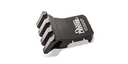
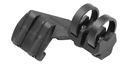





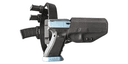
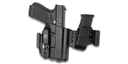





Mission First Tactical Appendix Holster Black Ambidextrous IWB/OWB for Glock 19,23,44 2
$0.00
Please Allow 4-5 Business Days for In Store Pickup

The Ultimate Guide to Concealed Carry: Optimizing Your Glock Experience with the Mission First Tactical Appendix Holster
For responsible firearm owners, the decision of how to carry a handgun is paramount, balancing safety, accessibility, and concealment. Whether you're an everyday carrier, a dedicated self-defense advocate, or someone seeking enhanced personal protection, selecting the right holster is a critical step. This in-depth guide explores the nuances of concealed and open carry, focusing on the versatile Mission First Tactical Appendix Holster, a premier solution designed specifically for Glock 19, Glock 23, and Glock 44 pistols.
Why is Holster Choice So Crucial for Glock Owners?
A holster isn't just a place to store your firearm; it's a vital piece of safety equipment and a key component of your personal defense strategy. For owners of popular firearms like the Glock 19, Glock 23, or Glock 44, choosing a holster that offers secure retention, comfortable wear, and efficient access is non-negotiable. Without a proper holster, a firearm can be a liability, risking accidental discharge, loss, or unauthorized access.
Many individuals ask:
- "What's the best way to carry my Glock 19 safely?"
- "How can I conceal my Glock 23 effectively without discomfort?"
- "Are there holsters that work for both range training and everyday carry for my Glock 44?"
- "What are the benefits of appendix carry, and do I need a special holster for it?"
The Mission First Tactical Appendix Holster addresses these questions head-on, offering a multi-faceted approach to firearm carry.
Understanding Your Carry Options: IWB vs. OWB
The world of firearm holsters primarily revolves around two main carry methods: Inside-the-Waistband (IWB) and Outside-the-Waistband (OWB). Each method has distinct advantages, and understanding them is key to choosing the right solution for your needs.
Inside-the-Waistband (IWB) Carry
IWB carry involves placing the holster and firearm inside the wearer's pants or skirt, with clips or loops securing it to the belt. This method is overwhelmingly preferred for concealed carry due to its inherent discretion.
Pros of IWB:
- Superior Concealment: The firearm is largely hidden by clothing, making it difficult for others to detect.
- Security: The firearm is less accessible to others, reducing the risk of a "snatch and grab."
- Comfort (with the right setup): When properly adjusted and designed, IWB holsters can be surprisingly comfortable for extended periods.
Cons of IWB:
- Clothing Considerations: May require looser clothing or a larger pant size to accommodate the bulk of the firearm.
- Draw Speed: Can be slightly slower than OWB, as clothing may need to be cleared.
Outside-the-Waistband (OWB) Carry
OWB carry involves the holster and firearm sitting outside the pants, typically attached to the belt. This method is commonly used for open carry, competitive shooting, or duty use where concealment is not the primary concern.
Pros of OWB:
- Accessibility: Generally offers a faster and smoother draw stroke.
- Comfort: The firearm is not pressed against the body, which some find more comfortable, especially for larger firearms.
- Ease of Reholstering: Often simpler to reholster the firearm compared to IWB.
Cons of OWB:
- Less Concealable: Requires specific clothing (jackets, long shirts) for concealment, making it less practical for everyday concealed carry in many scenarios.
- Potential for Snagging: The exposed firearm can catch on objects in tight spaces.
The Mission First Tactical Appendix Holster offers the unparalleled flexibility of supporting both IWB and OWB carry, allowing users to adapt their carry method based on their clothing, activity, or personal preference. This ambidextrous design, compatible with Glock 19, Glock 23, and Glock 44, makes it a truly adaptable solution.
The Growing Popularity of Appendix Carry
Within the IWB category, appendix carry (AIWB) has seen a surge in popularity. This method positions the holster and firearm in the front, typically between the 12 o'clock (navel) and 2 o'clock (or 10 o'clock for left-handers) positions on the waistline.
Why do people choose appendix carry?
- Enhanced Concealment: For many body types, AIWB offers superior concealment, especially for smaller to medium-sized handguns like the Glock 19, Glock 23, or Glock 44. The natural curve of the body around the abdomen can help hide the firearm effectively.
- Faster Draw Stroke: When executed correctly, appendix carry can offer a very direct and efficient draw stroke, as the hand naturally falls close to the firearm's grip.
- Situational Awareness: The firearm is always in your line of sight, making it easier to monitor and protect against a potential "snatch and grab" attempt.
- Comfort while Seated: For some, especially those who spend a lot of time driving or sitting, AIWB can be more comfortable than strong-side IWB carry, as the firearm doesn't dig into the hip or back.
The Mission First Tactical Appendix Holster is specifically engineered to excel in this carry position, providing the precise fit and ergonomic design necessary for comfortable and safe AIWB carry with your Glock 19, Glock 23, or Glock 44.
Spotlight on the Mission First Tactical Appendix Holster: Features and Benefits
The Mission First Tactical Appendix Holster for Glock 19, 23, 44 stands out in a crowded market due to its thoughtful design, robust construction, and commitment to user versatility. It's a prime example of a product that directly answers the needs of discerning firearm owners.
Key Features and What They Mean for You:
- Ambidextrous Design: This is a hallmark feature, making the holster truly universal. Whether you are right-handed or left-handed, this single holster adapts to your dominant hand without modification. This also means easier transfer between users or different carry preferences. For new shooters still experimenting with their dominant hand or carry style, this flexibility is invaluable.
- IWB/OWB Versatility: As discussed, the ability to switch between Inside-the-Waistband and Outside-the-Waistband carry methods provides unmatched adaptability. You can use it for deep concealment during daily errands, then switch to OWB for range practice or outdoor activities.
- Precision Molded for Glock 19, Glock 23, Glock 44: This holster is not a generic fit. It is custom-molded to the exact specifications of the Glock 19, Glock 23, and Glock 44 models, ensuring a precise and secure fit that prevents movement, rattling, or premature wear on your firearm. A proper fit is crucial for both weapon retention and a smooth draw.
- Durable Polymer Construction: Crafted from high-strength polymer, this holster is built to withstand the rigors of daily use. Polymer is known for its excellent resistance to impact, abrasion, moisture, and temperature fluctuations, ensuring longevity and reliability in various environments. Unlike some other materials, polymer maintains its shape and retention properties over time.
- Adjustable Retention: A critical safety and performance feature, adjustable retention allows you to customize the grip the holster has on your Glock. You can set it for a tighter hold for maximum security or a looser draw for faster presentation, balancing your specific needs for retention and speed. This prevents your firearm from falling out during active movement while ensuring a quick, clean draw when needed.
- Minimalist Profile: The design is intentionally slim and low-profile, minimizing bulk for improved concealment, especially for IWB and appendix carry. This reduces printing (the outline of the firearm showing through clothing), a common concern for concealed carriers.
- Integrated Concealment Claw/Wing (common in MFT designs): Many high-quality appendix holsters, including this MFT model, incorporate a "claw" or "wing." This small protrusion uses belt pressure to push the grip of the firearm inwards towards the body, significantly reducing printing and enhancing concealment, especially for the Glock 19, Glock 23, and Glock 44, which have a substantial grip.
Who Benefits Most from the Mission First Tactical Appendix Holster?
This specific holster is an ideal solution for a diverse range of individuals, including:
- Everyday Carry (EDC) Enthusiasts: Those who carry a firearm daily for personal protection will appreciate its comfort, concealment, and quick accessibility.
- First-Time Glock Owners: New owners of a Glock 19, 23, or 44 looking for a reliable, safe, and versatile starting holster will find this an excellent choice.
- Self-Defense Practitioners: Individuals prioritizing immediate access to their firearm in a self-defense scenario will benefit from the efficient draw stroke offered by well-designed IWB and AIWB carry.
- Law Enforcement/Security Personnel (Off-Duty): Professionals requiring deep concealment when off-duty, but still needing the reliability of their Glock platforms, will find this holster suitable.
- Individuals Seeking Carry Versatility: Those who need the flexibility to switch between concealed and open carry, or between right-hand and left-hand carry, without buying multiple holsters.
- Range Enthusiasts: While optimized for concealed carry, its OWB capability makes it perfectly functional for target practice and drills at the shooting range.
Making an Informed Holster Decision: Beyond Features
While features are important, several other factors contribute to an optimal holster experience. When considering any holster for your Glock 19, Glock 23, or Glock 44, ask yourself:
- Comfort: Can you wear it for extended periods without discomfort or pain? A comfortable holster is one you'll actually wear consistently.
- Concealment: Does it effectively hide your firearm without "printing" under typical clothing?
- Retention: Does it securely hold your firearm, preventing accidental dislodgement, while still allowing for a smooth draw? Adjustable retention, as found in the MFT holster, is key here.
- Accessibility/Draw Speed: Can you draw your firearm quickly and efficiently in a high-stress situation?
- Safety: Does it fully cover the trigger guard? Is it made from a rigid material that won't collapse and interfere with reholstering?
- Durability: Will it stand up to daily use and various environmental conditions?
The Mission First Tactical Appendix Holster excels in all these categories, offering a holistic solution for responsible firearm carry.
Installation and Adjustment Tips for Your Mission First Tactical Holster
Upon receiving your Mission First Tactical Appendix Holster for your Glock 19, 23, or 44, here are some general tips for setup and adjustment to maximize comfort and functionality:
- Belt Selection: Use a rigid, purpose-built gun belt. A standard fashion belt will not provide the necessary support, leading to sagging, discomfort, and poor retention.
- Clip Adjustment: Most holsters of this type have adjustable belt clips. Experiment with different ride heights and cant (angle) settings to find what works best for your body type and draw style. The MFT design allows for significant adjustability.
- Retention Screws: Utilize the adjustable retention screws to fine-tune the holster's grip on your firearm. Start with it slightly loose, then tighten gradually until you achieve a balance between secure retention and a smooth, consistent draw.
- Practice Drawing: Once adjusted, practice your draw stroke with an UNLOADED firearm. Start slowly, focusing on clearing your cover garment, establishing a firm grip, and drawing smoothly. Practice reholstering safely as well. Consistency is key.
- Wear it Around the House: Before carrying in public, wear the loaded (or unloaded for practice) holster around your home for several hours. Sit, stand, walk, and perform daily tasks to assess comfort and make any necessary micro-adjustments.
Maintaining Your Polymer Holster
Maintaining your Mission First Tactical polymer holster is straightforward, contributing to its longevity and reliable performance:
- Regular Cleaning: Use a damp cloth to wipe down the holster, removing any dust, lint, or debris that might accumulate inside. Avoid harsh chemicals that could degrade the polymer.
- Inspect for Wear: Periodically inspect the holster for any signs of wear, cracks, or damage to the material or clips. While highly durable, extreme impacts or prolonged exposure to harsh elements can take a toll.
- Check Screws: Ensure all retention and adjustment screws remain tightened. Over time, vibrations from movement can cause screws to loosen. A drop of non-permanent thread locker can be used if frequent loosening occurs.
Prioritizing Safety in All Carry Methods
No matter which carry method or holster you choose, safety must always be your top priority. For appendix carry, in particular, strict adherence to fundamental firearm safety rules is paramount:
- Always keep the gun pointed in a safe direction. When holstering, ensure the muzzle is pointed in a direction where an accidental discharge would cause no harm. For AIWB, this means carefully pointing away from your body or extremities.
- Always keep your finger off the trigger until ready to shoot. This is non-negotiable, especially during the drawing and reholstering process.
- Always keep the gun unloaded until ready to use. While carrying, this means having a round in the chamber and the firearm ready for immediate use, but only after you have decided it is necessary.
- Always know your target and what is beyond it.
A high-quality, rigid holster like the Mission First Tactical Appendix Holster that fully covers the trigger guard is a crucial safety device, preventing accidental discharges while the firearm is holstered.
The Mission First Tactical Brand: A Legacy of Innovation
Mission First Tactical (MFT) has established itself as a reputable brand known for producing innovative and durable firearm accessories. Their commitment to quality, ergonomic design, and user-centric features has earned them the trust of firearm enthusiasts and professionals alike. When you choose a Mission First Tactical product, you're investing in a piece of gear designed for real-world performance. Their holsters, including this specific model for Glock 19, 23, and 44, are a testament to their dedication to supporting responsible gun ownership.
Where to Purchase Your Mission First Tactical Appendix Holster
For those ready to enhance their concealed carry setup or simply find a more versatile holster solution for their Glock 19, Glock 23, or Glock 44, the Mission First Tactical Appendix Holster is an exceptional choice. This product, along with a wide range of other firearm accessories and related gear, is available for purchase at DEGuns.com. DEGuns is committed to providing quality products and excellent customer service to the firearm community.
By investing in a well-designed, versatile, and high-quality holster like the Mission First Tactical Appendix Holster, you empower yourself with a safer, more comfortable, and more effective way to carry your firearm, ensuring it's ready when you need it most.
Product Specifications & Compatibility
| Feature | Detail |
|---|---|
| Product Name | Mission First Tactical Appendix Holster |
| Carry Type | Inside-the-Waistband (IWB) / Outside-the-Waistband (OWB) |
| Hand Dominance | Ambidextrous (Right or Left Hand) |
| Color | Black |
| Material | Durable Polymer |
| Compatibility | Glock 19, Glock 23, Glock 44 |
| Adjustability | Adjustable Retention; Adjustable Cant/Ride Height (via clip position) |
| Unique Feature | Integrated concealment claw/wing for enhanced concealment |
| UPC | 814000028701 |

Specifications
Explore the specific details and characteristics
- SKU
- 63915