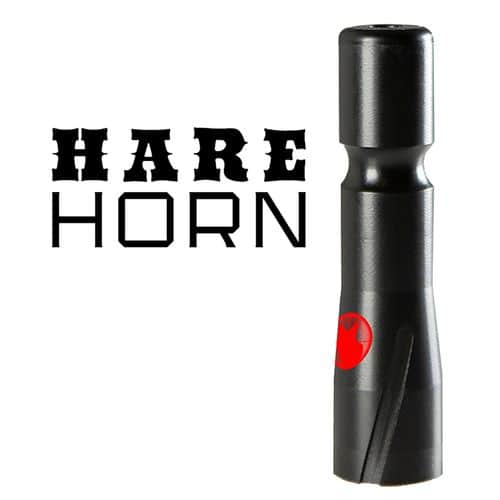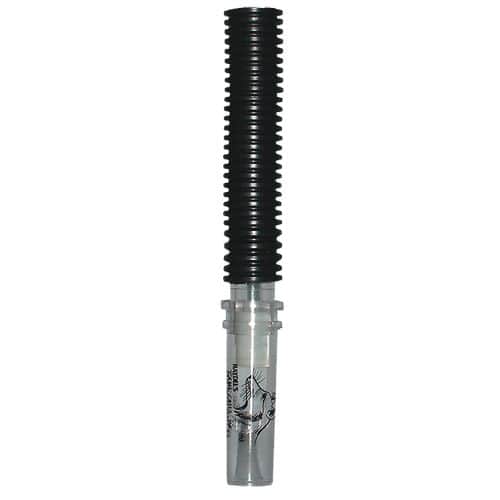











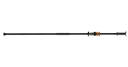
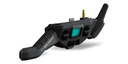










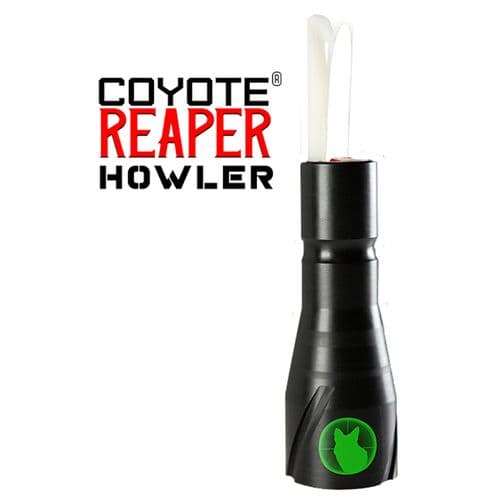

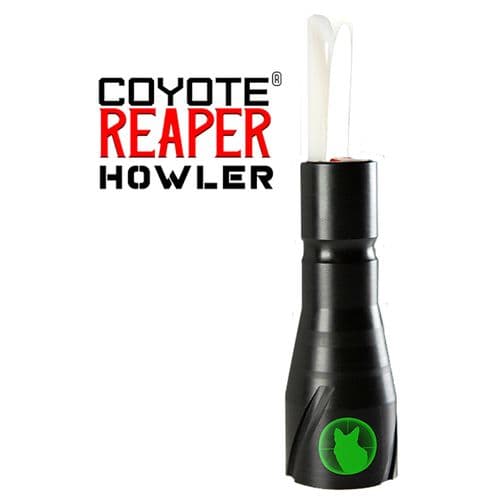
PREDATOR TACTICS INC 97502 Coyote Reaper Howler Open Reed
$0.00
Please Allow 4-5 Business Days for In Store Pickup

The world of predator hunting demands precision, patience, and the right tools. For dedicated hunters, the ability to communicate effectively with their quarry is paramount. It’s not just about making noise; it’s about speaking the language of the wild, mimicking the intricate vocalizations that draw in even the most elusive predators. This is where the Predator Tactics Coyote Reaper Howler (Model 97502) stands out as an indispensable asset, a meticulously engineered open-reed call designed to give you an unparalleled advantage in the field.
This comprehensive guide is crafted for the serious predator hunter – whether you’re a seasoned expert looking to refine your technique or an ambitious newcomer aiming to build a solid foundation. If you’ve ever asked yourself, "What is the best coyote call for realistic howls and versatile use?" or "How can I improve my success rate by truly mimicking coyote vocalizations?", then understanding the capabilities of the Coyote Reaper Howler 97502 is your next crucial step. This powerful tool solves the persistent challenge of attracting wary coyotes, offering the vocal range and acoustic authenticity needed to overcome their natural caution and bring them into range.
Understanding the Predator Tactics Coyote Reaper Howler 97502: Design & Superiority
At the heart of the Coyote Reaper Howler 97502’s effectiveness lies its open-reed design. This design offers a unique level of control and versatility that closed-reed calls simply cannot match. Unlike fixed-pitch calls, an open-reed system allows the user to manipulate air pressure, lip position, and hand placement to produce a vast spectrum of sounds. This means you’re not limited to a few preset tones; instead, you gain the freedom to craft nuanced, dynamic vocalizations that truly reflect the complex communication patterns of coyotes.
Craftsmanship and Durability: Predator Tactics, a brand synonymous with quality in the predator hunting community, has engineered the Coyote Reaper Howler 97502 with uncompromising attention to detail. Typically constructed from high-grade, durable materials like acrylic or similar robust polymers, this call is built to withstand the rigors of any hunting environment. Its solid construction ensures longevity, resisting the impacts, temperature fluctuations, and moisture often encountered in the backcountry. This ruggedness means you can rely on your Reaper Howler to perform consistently, season after season, without fear of degradation or malfunction when you need it most. The precision machining of each component ensures a tight, consistent fit, which is crucial for maintaining optimal sound quality and preventing unwanted air leaks that can compromise realism.
Acoustic Excellence and Versatility: The true genius of the Predator Tactics Coyote Reaper Howler 97502 lies in its acoustic properties. Its carefully designed soundboard and reed system allow for an astonishing range of coyote vocalizations. From the deep, resonant howls of an alpha male challenging an intruder to the sharp, piercing barks of an agitated female protecting her den, this call can produce them all. Hunters can also achieve the frantic yips of pups, the mournful kiyis, and even the distressed sounds of various prey animals. This broad vocal palette is critical for adapting to different hunting scenarios and coyote behaviors. For instance, a lone howl might be perfect for locating distant coyotes, while a series of barks and yips could be used to provoke a response from a wary animal already in sight. The ability to switch seamlessly between these sounds, varying pitch, tone, and volume, is what elevates the 97502 from a mere sound maker to a sophisticated communication tool.
Mastering the Language of Coyotes: A Practical Guide to Using the 97502
To truly unlock the potential of the Predator Tactics Coyote Reaper Howler 97502, understanding and practicing the core techniques of coyote vocalization is essential. This call isn't just about blowing air; it's about learning to manipulate the reed and your air pressure to mimic the subtle inflections of a real coyote.
Basic Howling Techniques: Howls are often the primary sounds hunters attempt, as they can travel long distances and elicit responses.
- Lone Howl: Start with moderate air pressure, a steady tone, and gradually increase volume before tapering off. Practice making it sound mournful and drawn out.
- Challenge Howl: This is more aggressive. Begin with a sharp, high-pitched "woo!" sound, then transition into a series of short, choppy howls that rise and fall in pitch. Use stronger air pressure.
- Group Howl: Mimic multiple coyotes by rapidly varying pitch and volume. Start with a deep male howl, then quickly add higher-pitched female yips and pup-like sounds. This requires good diaphragm control and hand-cupping techniques to simulate multiple voices.
Barking and Yipping: These short, sharp sounds are crucial for close-range interactions or to express aggression and agitation.
- Barks: Achieve barks by expelling a quick, sharp burst of air while briefly covering and uncovering the end of the call with your hand. The Predator Tactics 97502 allows for both single, sharp warning barks and rapid-fire, aggressive barks.
- Yips: These are higher-pitched and quicker than barks, often signifying excitement, playfulness, or distress (especially from pups). Use lighter, shorter bursts of air with a higher pitch.
Distress Calls: While primarily a howler, the open-reed design of the 97502 allows for realistic distress sounds.
- Pup Distress: This is highly effective, especially during denning season. Use short, high-pitched, whiny sounds, varying pitch and volume to simulate a distressed coyote pup. Parents are often extremely protective and will rush in to investigate.
- Injured Prey Sounds: With practice, the versatility of the open reed can simulate the distress of a rabbit, fawn, or other small prey. This might involve short, sharp squeals or longer, drawn-out cries.
Advanced Manipulation: The true mastery of the Coyote Reaper Howler 97502 comes from learning to manipulate pitch, volume, and cadence to add realism and emotional context.
- Pitch Bending: By adjusting lip pressure on the reed and changing the shape of your mouth, you can make the sounds rise and fall in pitch, imitating the natural undulations of a coyote's voice.
- Volume Control: Using your diaphragm and controlling airflow, you can project sounds across vast distances or soften them for close-in work. Hand-cupping over the end of the call can further dampen or direct sound.
- Adding Cadence and Emotion: Coyotes communicate with intention. Practice making your howls sound inquisitive, challenging, or mournful. This involves varying the rhythm and duration of your sounds.
Practice Regimen: Like any skill, mastering the 97502 requires consistent practice. Listen extensively to actual coyote vocalizations online or in the field. Record your own calls and compare them. The more you practice, the more intuitive the call will become, allowing you to react quickly to field conditions and produce the precise sound needed. Hunters often report a significant improvement in their calling abilities and subsequent success rates after committing to a regular practice schedule with the Predator Tactics Coyote Reaper Howler 97502.
Strategic Deployment: When and Where to Use Your Reaper Howler
Possessing the Predator Tactics Coyote Reaper Howler 97502 is one thing; knowing when and how to deploy its sounds strategically is another. Effective calling integrates seamlessly with an understanding of coyote behavior, terrain, and environmental factors.
Scenario-Based Use:
- Locating Coyotes: Use a loud, lone howl at dawn or dusk to pinpoint distant coyotes. Listen for a response to determine their general location before moving in for a setup. This is often the first step in a successful hunt.
- Calling Coyotes into Range: Once located, switch to challenge howls or barks to draw them closer. If they hesitate, a pup distress call can often be the final trigger.
- Triggering a Response from Silent Coyotes: Sometimes coyotes are present but not vocal. A series of various howls can often elicit a response, revealing their presence and position.
- Handling Call-Shy Animals: For coyotes that have been pressured, a subtle, short series of barks or soft howls might be more effective than aggressive, loud calling. The versatility of the 97502 allows for this nuance.
Seasonal Considerations: Coyote vocalizations and their effectiveness can change throughout the year.
- Winter/Breeding Season: Aggressive challenge howls are highly effective as coyotes are pairing up and establishing territories.
- Spring/Denning Season: Pup distress calls become incredibly potent as adult coyotes are highly protective of their young.
- Summer/Fall: Howls for locating and various distress calls for feeding opportunities are generally effective.
Wind and Terrain: Always consider wind direction. You want your scent to blow away from the direction you expect coyotes to approach. Use the terrain to your advantage for concealment and to funnel coyotes into a clear shooting lane. The powerful projection of the 97502 ensures your calls cut through the air, even on windy days, reaching distant animals.
Patience and Persistence: These are often the most overlooked elements of successful calling. Once you’ve made your calls with the Reaper Howler, be prepared to wait. Coyotes can approach cautiously and take their time. A typical setup should involve waiting at least 15-20 minutes, sometimes longer, after your last call. Many hunters quit too early, missing the opportunity to connect with a patient predator.
Why Predator Tactics Reigns Supreme for Serious Hunters
Predator Tactics Inc. has forged a reputation for excellence by consistently delivering high-performance hunting gear designed to meet the rigorous demands of the field. Their philosophy centers on developing innovative solutions that genuinely enhance a hunter's capabilities and success.
A Legacy of Innovation: Predator Tactics isn't just a brand; it's a commitment to continuous improvement and ingenuity. They invest in research and development, collaborating with experienced hunters to understand their needs and challenges. This hunter-centric approach ensures that products like the Coyote Reaper Howler 97502 are not just theoretically sound but are proven to perform under real-world conditions. Their dedication to using premium materials and advanced manufacturing techniques results in gear that withstands the elements and performs reliably when it matters most.
Proven Field Performance: While specific data points vary by hunter and region, a consistent theme among users of Predator Tactics calls, including the 97502, is an observable increase in coyote responses and successful calling sequences. Hunters frequently report that the realism and volume capabilities of the Coyote Reaper Howler lead to more engaged animals, reducing the instances of coyotes hanging up or circling out of range. This translates directly into more opportunities to make a successful harvest, validating the design and quality of the call.
Reliability and Trust: The trust hunters place in Predator Tactics comes from years of consistent performance. When you’re out in the wild, often in challenging conditions, you need equipment that won’t fail. The Coyote Reaper Howler 97502 is built with that reliability in mind, a testament to the brand's commitment to its customers. This unwavering quality positions Predator Tactics as a leader and a trusted choice for those who demand the best from their gear.
Common Questions from Aspiring & Experienced Predator Hunters
Here are some frequently asked questions that the Predator Tactics Coyote Reaper Howler (Model 97502) helps to address for hunters seeking to optimize their calling strategies:
Q: What is the most effective coyote call for long-range attraction?
A: The Predator Tactics Coyote Reaper Howler 97502 is exceptionally effective for long-range attraction. Its open-reed design allows for significant volume and projection, enabling your howls to carry across vast distances, effectively locating and drawing in coyotes from afar. Its acoustic design ensures clarity and realism even at high volumes, making it ideal for windy conditions or expansive terrain where sound needs to travel.
Q: How do I make my coyote calls sound more realistic?
A: Achieving realism with any call, especially the 97502, comes down to understanding the nuances of coyote vocalizations and consistent practice. The Coyote Reaper Howler’s versatility empowers you to manipulate pitch, volume, and cadence with precision. Focus on practicing the basic howls, barks, and yips, then experiment with varying your air pressure, hand positions, and lip movements to add emotional depth and mimic the subtle inflections of real coyotes. Listening to actual coyote sounds and recording your own calls for comparison will significantly improve your realism.
Q: Are open-reed calls difficult for beginners to learn?
A: While open-reed calls generally offer a steeper learning curve than fixed-reed models due to the greater control they provide, the Predator Tactics Coyote Reaper Howler 97502 is designed to be relatively intuitive for an open-reed call. Its ergonomic shape and responsive reed make it easier for beginners to produce foundational sounds quickly. The initial challenge is quickly overcome with practice, and the reward is a far more versatile and realistic calling instrument that will serve you well for years to come. Many hunters find that the ability to truly adapt their calls to the situation outweighs the initial learning investment.
Q: What type of maintenance does the Predator Tactics Coyote Reaper Howler require?
A: The Coyote Reaper Howler 97502 is designed for minimal maintenance. Simple care ensures its longevity and consistent performance. After use, especially in wet conditions, it’s advisable to gently wipe down the call. If the reed becomes sticky, a quick rinse with clean water and allowing it to air dry thoroughly can resolve it. Always store your call in a protective case or pouch to prevent dirt, debris, or accidental damage to the reed, which is crucial for sound quality. Avoid exposing it to extreme temperatures for prolonged periods.
Q: Where can I purchase the authentic Predator Tactics Coyote Reaper Howler (Model 97502)?
A: To ensure you receive the authentic Predator Tactics Coyote Reaper Howler (Model 97502) and benefit from expert customer support, it is recommended to purchase directly from trusted retailers like DEGuns or through deguns.com. Shopping with DEGuns guarantees you receive a genuine product, backed by their commitment to quality and customer satisfaction, ensuring you get the most out of your investment in premium hunting gear.
Caring for Your Investment: Ensuring Longevity
To ensure your Predator Tactics Coyote Reaper Howler 97502 remains a reliable tool for countless hunts, a few simple care practices are recommended.
- Cleaning: After each use, especially if used in damp conditions or if you notice any buildup, it's a good idea to disassemble the call (if applicable and easy to do) and gently clean the reed and barrel. A simple rinse with clean water is often sufficient. Allow all components to air dry completely before reassembling. Avoid harsh chemicals or abrasive materials, which can damage the reed or the call's finish.
- Storage: Proper storage is crucial for maintaining the call's integrity. Always store your 97502 in a protective pouch or case when not in use. This prevents dirt, dust, and debris from accumulating on the reed, which can affect its sound. Protecting it from extreme temperatures (both hot and cold) will also help preserve the material's properties and the reed's flexibility.
- Troubleshooting: If the reed ever feels sticky or produces an inconsistent sound, it's usually due to moisture or a small piece of debris. A thorough cleaning and air drying will typically resolve this. Periodically check for any signs of wear or damage, though the durable construction of the Predator Tactics call makes this infrequent.
Conclusion: Elevate Your Hunt with the 97502
The Predator Tactics Coyote Reaper Howler (Model 97502) is more than just a coyote call; it’s an advanced instrument that puts the power of realistic vocalization directly into the hands of the hunter. Its open-reed design, combined with Predator Tactics' commitment to quality and acoustic excellence, provides an unparalleled range of sounds, from deep, guttural howls to sharp, attention-grabbing barks and distress calls. For hunters seeking to overcome the challenges of wary coyotes and consistently draw them into range, the 97502 offers the versatility, realism, and durability needed to achieve superior results.
By mastering the techniques outlined in this guide and integrating the Reaper Howler into your strategic hunting approach, you're not just making noise – you're engaging in a sophisticated dialogue with the wild. This call empowers you to adapt to any scenario, mimic complex coyote communication, and ultimately, elevate your predator hunting game to a new level. Invest in the authentic Predator Tactics Coyote Reaper Howler 97502, available through DEGuns.com, and experience the definitive advantage in your pursuit of coyotes.
Product Specifications and Features
| Feature | Description | Benefit |
|---|---|---|
| Model Number | 97502 | Unique identifier for the Predator Tactics Coyote Reaper Howler |
| Call Type | Open Reed Howler | Provides unparalleled versatility and control over vocalizations |
| Primary Use | Coyote Vocalizations (Howls, Barks, Yips, Distress) | Specializes in realistic sounds to attract and locate coyotes |
| Material | Durable High-Grade Polymer (e.g., Acrylic) | Ensures longevity and resilience in harsh outdoor conditions |
| Brand | Predator Tactics Inc. | Renowned for quality and innovation in predator hunting gear |
| Sound Range | Wide spectrum from deep male howls to high-pitched pup distress and kiyis | Allows adaptation to various hunting scenarios and coyote behaviors |
Coyote Vocalizations & Tactical Use
| Vocalization Type | Primary Sound Characteristics | Tactical Use in Hunting |
|---|---|---|
| Lone Howl | Long, drawn-out, mournful sound | Locating distant coyotes; signaling presence in an area |
| Challenge Howl | Aggressive, often rising in pitch, with chopped notes | Provoking a response from territorial coyotes; drawing in rivals |
| Group Howl | Mimics multiple coyotes with varying pitches & rhythms | Simulating a pack to entice curious or territorial coyotes |
| Barks | Sharp, short bursts of sound | Warning, agitation, or signaling; effective for close ranges |
| Yips | High-pitched, short, often rapid-fire sounds | Excitement, playfulness, or distress (especially for pups) |
| Pup Distress | High-pitched, whiny, frantic cries | Highly effective for drawing in protective adult coyotes |
Specifications
Explore the specific details and characteristics
- SKU
- 97502