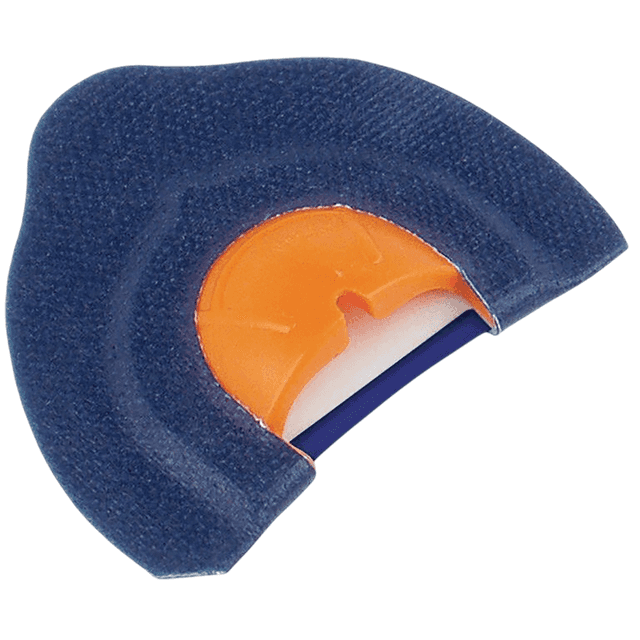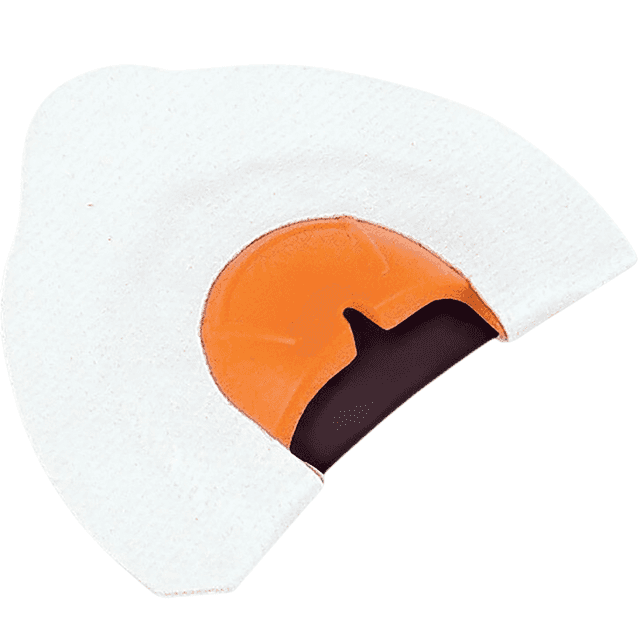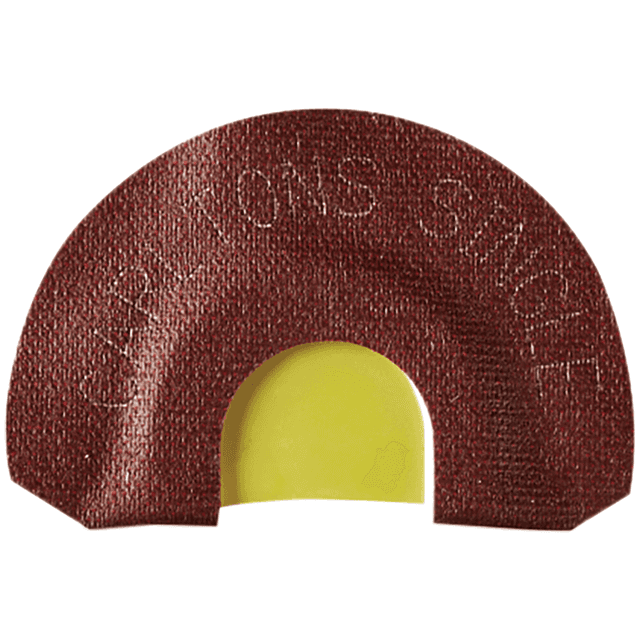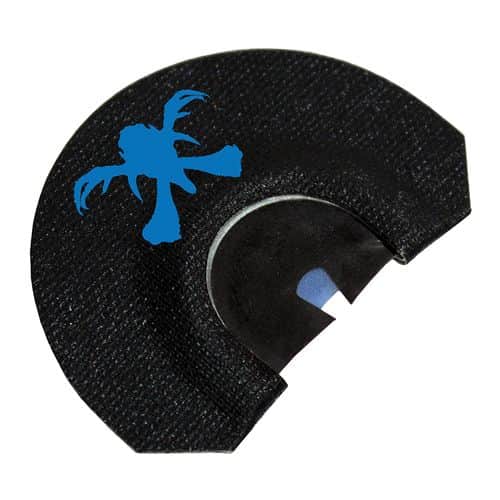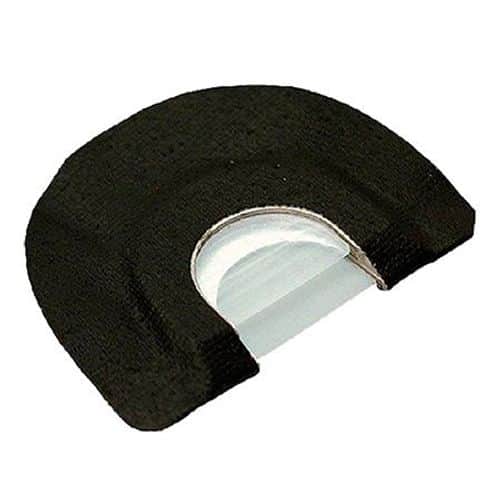









































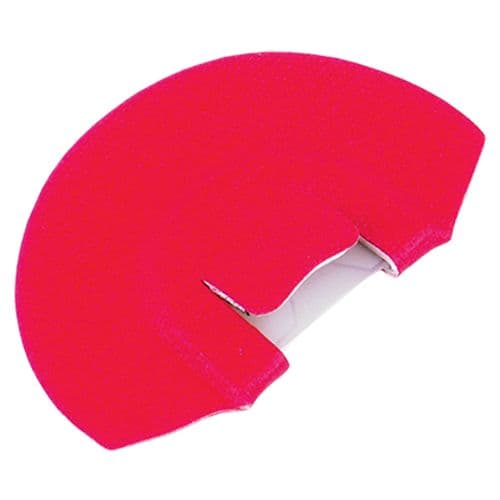

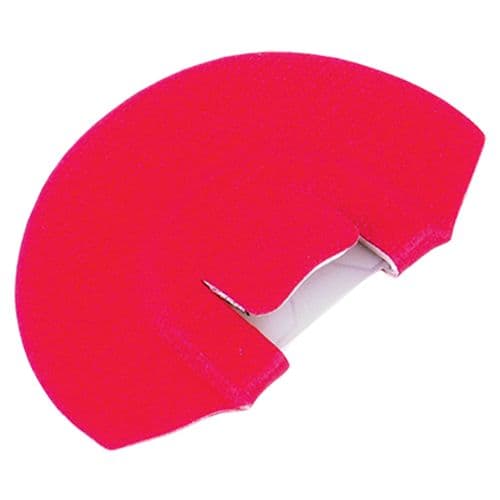
Primos 160 Imperial Plate Elk Species Double Reed Diaphragm Call Red Latex
$0.00
Please Allow 4-5 Business Days for In Store Pickup

Master the Wild: Unleash Authentic Elk Calls with the Primos 160 Imperial Plate Double Reed Diaphragm Call
For the dedicated elk hunter, the ability to communicate effectively with these magnificent animals can be the difference between a memorable encounter and a silent hunt. Whether you're a seasoned veteran looking to refine your vocalizations or a newcomer eager to learn the foundational sounds of the elk woods, the Primos 160 Imperial Plate Elk Species Double Reed Diaphragm Call is an indispensable tool designed to elevate your success. This advanced call, distinguished by its vibrant red latex, provides hunters with the means to produce incredibly realistic cow and calf vocalizations, drawing in curious bulls and receptive cows alike.
Are you asking yourself, "What's the best elk call for realistic cow and calf sounds?" or "How can I improve my elk calling technique to draw in more animals?" The answer often lies in the quality and design of your diaphragm call, and the Primos 160 is engineered precisely for these challenges. It addresses the common frustrations hunters face in replicating the complex nuances of elk communication, offering a reliable, high-performance solution that fits comfortably in your mouth and requires minimal practice to achieve convincing results. This call is a game-changer for anyone serious about ethical, effective elk hunting.
What is the Primos 160 Imperial Plate Elk Call?
The Primos 160 Imperial Plate Elk Species Double Reed Diaphragm Call is a precision instrument designed for hunters seeking to mimic the intricate vocalizations of various elk species. Unlike external calls or bugle tubes that require hand manipulation, this mouth call sits comfortably against the roof of your mouth, allowing for hands-free operation and seamless transitions between different sounds. Its compact size ensures it's always ready, whether you're stationary in a blind or actively stalking through dense timber.
This particular model, identified by its vivid red latex and the "160 Imperial Plate" designation, is renowned for its specific construction. It features a double-reed system, which is crucial for generating a broader range of pitches and tones, making it exceptionally versatile for both cow and calf calls. The "Imperial Plate" design refers to the unique shape and tensioning of the latex reeds, engineered by Primos to make calling easier, more consistent, and more authentic. The red latex, beyond its distinctive color, is selected for its specific acoustic properties and durability, ensuring a long-lasting and reliable performance in the demanding conditions of the elk habitat. This call is a testament to Primos' commitment to providing hunters with tools that truly perform in the field.
Why Choose a Diaphragm Call for Elk Hunting?
Diaphragm calls are a cornerstone of effective elk hunting for several compelling reasons, making them a preferred choice for many experienced hunters. Understanding these advantages can help you decide if the Primos 160 Imperial Plate is the right addition to your gear.
- Hands-Free Operation: Perhaps the most significant advantage is the ability to produce calls without using your hands. This frees your hands to hold your bow or rifle, range an animal, or simply maintain stability while moving. In the critical moments when an elk responds, having your weapon ready can be the difference between success and a missed opportunity.
- Versatility in Vocalizations: Diaphragm calls excel at producing a wide array of realistic elk sounds, from soft cow mews and chirps to urgent calf bawls and even the challenging sounds required for a bugle tube. The subtle variations in mouth pressure and tongue position allow for incredible realism and emotional inflection in your calls, which is key to convincing a wary elk.
- Authenticity of Sound: Because the sound originates from within your mouth, it often sounds more natural and less "mechanical" than some external calls. This internal resonance helps to mimic the organic vocal cords of an elk, providing a level of authenticity that can be hard to achieve otherwise.
- Volume Control: Hunters can easily control the volume of their calls, from barely audible whispers for close-in encounters to louder, more resonant calls designed to carry across vast distances. This adaptability is vital for various hunting scenarios, from open meadows to dense timber.
- Durability and Portability: Diaphragm calls are remarkably compact and durable. They fit easily into a pocket or a small case, and unlike many external calls, they have no moving parts to break or freeze up in cold weather. The red latex of the Primos 160 is specifically chosen for its resilience and ability to withstand the rigors of the backcountry.
- Learning Curve for Mastery: While initial practice is required, once mastered, a diaphragm call becomes an extension of your own voice, allowing for fluid and spontaneous calling sequences that can react directly to an elk's responses. The Imperial Plate design in the Primos 160 specifically aids in shortening this learning curve, making it more accessible for new users.
By understanding these benefits, it becomes clear why a high-quality diaphragm call like the Primos 160 Imperial Plate is considered an essential piece of equipment for serious elk hunters.
Key Features of the Primos 160 Imperial Plate
The Primos 160 Imperial Plate Elk Species Double Reed Diaphragm Call stands out due to several innovative design choices that contribute to its superior performance. These features are meticulously engineered to provide the hunter with maximum control, realism, and ease of use in the field.
Double Reed System for Enhanced Versatility
One of the most critical aspects of the Primos 160 is its double-reed configuration. Unlike single-reed calls, which typically produce a more limited range of sounds, the double-reed system significantly expands the vocal repertoire available to the hunter.
- Expanded Sound Range: The two reeds vibrating against each other create a richer, more complex sound profile. This allows the user to produce a wider spectrum of elk vocalizations, from the higher-pitched mews and chirps of a young calf to the deeper, more resonant sounds of a mature cow. This versatility is crucial for adapting your calling strategy to different elk responses and hunting situations.
- Added Realism and Depth: The interaction between the two reeds also adds depth and texture to the calls, making them sound more natural and less monotonous. This realism is vital for convincing discerning elk that the sounds they are hearing are authentic and warrant investigation. It helps to break through the "flat" sound that some calls produce, mimicking the subtle variations found in real elk vocalizations.
- Easier Pitch Control: For many users, a double-reed call can actually be easier to manipulate for precise pitch control. The additional reed can provide more resistance and a clearer sound separation, which can be beneficial for hunters still developing their diaphragm calling skills. This makes hitting the specific pitch of a cow's estrous bleat or a calf's innocent whine more consistent.
The Innovative Imperial Plate Design
The "Imperial Plate" in the Primos 160's name refers to a unique design element that sets it apart and significantly contributes to its ease of use and consistent sound production. This innovative plate system revolutionizes how the reeds are held and vibrated.
- Consistent Reed Tension: The Imperial Plate holds the double reeds at a predetermined, optimal tension. This eliminates guesswork for the hunter and ensures that the call performs consistently every time it's used. The precisely engineered tension is critical for producing the correct pitch and tone without excessive effort.
- Simplified Airflow: The design guides airflow over the reeds in a highly efficient manner. This means less air pressure is required to generate sound, making the call easier to blow and reducing fatigue during extended calling sequences. It also allows for more subtle variations in volume and inflection.
- Effortless Sound Production: Many hunters struggle with the initial learning curve of diaphragm calls, particularly in achieving clean, consistent sounds. The Imperial Plate system is specifically designed to mitigate these challenges, allowing even novice callers to produce clear cow and calf sounds relatively quickly. This feature makes the Primos 160 an excellent choice for those new to diaphragm calls or seeking a call that requires less strenuous effort.
- Durability and Stability: The plate itself adds structural integrity to the call, protecting the delicate latex reeds and ensuring the call maintains its shape and performance over time, even with frequent use in rugged outdoor environments.
Premium Red Latex Material
The choice of latex is paramount in any diaphragm call, and Primos has specifically selected a premium red latex for the 160 Imperial Plate model. This isn't just a cosmetic choice; it directly impacts the call's acoustic properties and longevity.
- Distinctive Tone Qualities: The specific density and elasticity of the red latex contribute to a unique tonal quality. This latex is optimized for producing the soft, breathy mews, chirps, and estrous bleats of cow elk, as well as the higher-pitched, more urgent bawls of calves. Hunters often describe the sound as exceptionally "smooth" and "liquid," making it highly appealing to real elk.
- Enhanced Durability: High-quality latex is crucial for a call that will see heavy use in the field. The red latex used in the Primos 160 is known for its resilience, resisting tears and maintaining its vibratory properties even after prolonged periods of use. This ensures the call remains effective throughout the hunting season and beyond.
- Moisture Resistance: While all latex calls are affected by moisture, premium latex like that found in the 160 tends to perform better in humid conditions and can recover quicker after getting wet. Proper care and drying are still essential, but the inherent properties of the red latex contribute to more reliable performance.
By combining the versatility of a double-reed system, the ease-of-use of the Imperial Plate design, and the specific acoustic benefits of premium red latex, the Primos 160 Imperial Plate Elk Species Double Reed Diaphragm Call (UPC: 010135001602) stands as a top-tier choice for any elk hunter.
Mastering Elk Vocalizations with the Primos 160
The true power of the Primos 160 Imperial Plate Double Reed Diaphragm Call lies in its ability to reproduce a wide range of elk vocalizations with striking realism. Understanding how to create these sounds and when to use them is key to maximizing your hunting success.
Cow Mews and Chirps
These are perhaps the most common and versatile sounds you'll make with your Primos 160. Cow mews are soft, generally upward inflected sounds that indicate contentment or a desire to locate other elk. Chirps are shorter, sharper versions, often used for close-range communication.
- How to produce: Place the call comfortably in your mouth against the roof. Apply light air pressure from your diaphragm, allowing the sound to roll off the latex. For mews, slightly curl your tongue. For chirps, use a quick, short burst of air.
- When to use: Ideal for locating elk, especially when moving through timber or covering ground. Use soft mews when you are close to a bedding area or trying to draw in a bull that has responded to a bugle. Chirps are excellent for stopping a moving elk or getting a cautious animal to step into an opening.
Calf Bawls
A calf bawl is a distressed or lonely sound, highly effective for eliciting a protective or inquisitive response from cows and sometimes even bulls.
- How to produce: Increase the air pressure slightly, making the sound louder and more drawn out than a mew, often with a slightly wavering quality. The double reed of the Primos 160 helps achieve the nasal, pleading quality of a real calf.
- When to use: Use when you believe there are cows in the area, or when you're trying to provoke a response from a bull that might be guarding a harem. A series of soft, then slightly louder, calf bawls can convince cows to investigate, often bringing bulls with them.
Distress Calls (General)
While less common, understanding how to make a more urgent, slightly panicked sound can be useful in specific scenarios. This is often a variation of a loud calf bawl or a more intense cow call.
- How to produce: This requires more aggressive air pressure and a slightly more erratic delivery, mimicking a desperate animal. The double reed excels here, allowing for the higher volume and slight breaks in sound that convey distress.
- When to use: In rare instances, a distress call can pique the curiosity of a bull, especially if he thinks another elk is in trouble. Use sparingly and with caution, as it can also alarm animals.
Combining with a Bugle Tube
While the Primos 160 is a standalone diaphragm call for cow and calf sounds, it is also perfectly suited for use in conjunction with a bugle tube.
- Seamless Transition: By placing the Primos 160 in your mouth and blowing through a bugle tube, you can create incredibly realistic bull bugles, cow calls that accompany a bugle, and even the classic "chuckle" that often follows a bugle. The hands-free nature of the diaphragm call allows for a smooth, uninterrupted flow of sound.
- Added Realism to Bugles: The Primos 160 can give your bugles the necessary back-pressure and realism that some standalone bugle tubes lack. This combination is essential for hunters who want to sound like a dominant bull, complete with accompanying cow vocalizations to convince real elk of their presence.
Mastering these vocalizations with your Primos 160 will provide you with a powerful arsenal of communication tools, greatly enhancing your chances of success in the elk woods. Consistent practice, listening to real elk sounds, and adapting your strategy to the elk's responses are the keys to becoming a proficient elk caller.
Real-World Scenarios and Use Cases
The Primos 160 Imperial Plate Elk Species Double Reed Diaphragm Call is not just a piece of gear; it's a dynamic tool that adapts to myriad hunting situations. Understanding how to deploy it effectively in various real-world scenarios will significantly improve your tactical approach and overall success rate.
Calling in Bulls During the Rut
This is arguably the most exciting and rewarding use of the Primos 160. During the rut, bulls are actively seeking cows, and a realistic cow or calf call can be irresistible.
- Scenario: You hear a bull bugle in the distance, but he's not moving towards you.
- Application: Respond with a series of soft, inquisitive cow mews or an enticing estrous bleat using your Primos 160. If he bugles again, respond immediately with a submissive cow call, possibly followed by a calf bawl. The goal is to sound like an available cow or a lost calf, making him believe there's an easy opportunity nearby. The double reed excels at the nuanced inflections needed for estrous calls.
Locating Elk in Dense Cover
Sometimes, elk are bedded down or moving quietly through thick timber, making them hard to spot. Calling can help pinpoint their location.
- Scenario: You're in an area known to hold elk, but you haven't seen or heard any.
- Application: Periodically emit a soft, conversational cow mew or chirp. Listen intently for a response – a subtle twitch of an ear, a distant "mew," or even a faint bugle. The discreet sound of the Primos 160 allows you to call without overly alerting animals that might be close.
Bringing In Cautious Cows
While many focus on bulls, bringing in cows can be equally effective, as they often bring the bulls with them, especially during the breeding season.
- Scenario: You spot a group of cows moving away from you or across a field.
- Application: Use a series of soft, pleading calf bawls. The maternal instinct of cow elk is incredibly strong. A convincing calf in distress can often cause a cow to stop, turn, and investigate, potentially bringing the entire herd back into range.
Stopping a Moving Elk for a Shot Opportunity
Often, an elk will be walking through an opening, and you need a quick way to make them pause for a clear shot.
- Scenario: An elk is walking past your shooting lane, but moving too quickly for a good shot.
- Application: Without moving your hands, deliver a sharp, quick "chirp" or "mew" with your Primos 160. This often makes the elk stop and look in your direction, giving you the precious seconds needed to aim and take a confident shot. The hands-free advantage is paramount here.
Countering Aggressive Bulls
In some situations, a bull might be aggressive or challenging your position. Your calling can influence his behavior.
- Scenario: A bull bugles loudly and moves directly towards you, perhaps too aggressively.
- Application: While not a primary use for the Primos 160 itself (which is focused on cow/calf sounds), using it in conjunction with a bugle tube can help. A submissive cow call can sometimes temper an aggressive bull, making him less cautious. If you were using a bugle, the Primos 160 could be used to add the realistic cow chuckles that might accompany a bull's vocalization.
By integrating the Primos 160 Imperial Plate into your hunting strategy, you gain a powerful advantage in communicating with elk on their terms, increasing your chances of a successful and memorable hunt.
Tips for Success with the Primos 160
Achieving proficiency with any diaphragm call, including the Primos 160 Imperial Plate, requires practice and attention to detail. These tips will help you maximize the effectiveness of your call and enhance your elk hunting experience.
Consistent Practice is Key
Like any skill, elk calling improves with repetition. Don't wait until hunting season to start practicing.
- Daily Sessions: Dedicate a few minutes each day to practicing different sounds. Focus on consistency in pitch, tone, and volume.
- Listen and Mimic: Find recordings of real elk vocalizations (e.g., on reputable outdoor websites or hunting podcasts) and try to mimic them precisely. The goal is to sound as authentic as possible.
- Vary Your Calls: Don't just make one sound. Practice sequences of mews, chirps, and bawls, varying the intensity and rhythm to sound like a natural conversation between elk.
Proper Placement and Airflow
The correct placement of the call and controlled airflow are fundamental to producing clear, realistic sounds.
- Secure Fit: Ensure the call is seated comfortably and securely against the roof of your mouth. It shouldn't shift during calling.
- Tongue Position: Your tongue acts as a "dam" against the reeds. Experiment with slight variations in tongue pressure and position to alter pitch and tone. A common technique is to slightly arch your tongue and place its tip near the front of the call.
- Diaphragmatic Breathing: Push air from your diaphragm, not just your throat. This creates a more consistent and powerful airflow, essential for sustained and realistic calls. Think of "huffing" rather than "blowing."
Hygiene and Maintenance
Keeping your Primos 160 clean is crucial for both hygiene and maintaining optimal performance.
- Rinse After Use: After each hunting trip or extensive practice, gently rinse the call with lukewarm water.
- Air Dry Thoroughly: Allow the call to air dry completely before storing it. Do not use heat.
- Store Properly: Store your call in a dedicated, breathable call case to protect the reeds from damage and prevent dust or debris accumulation. Avoid leaving it in direct sunlight or extreme temperatures.
- Inspect Reeds: Periodically inspect the red latex reeds for any tears, cracks, or signs of wear. While the Primos red latex is durable, eventual wear is inevitable with extensive use.
Adapt to Elk Responses
Elk calling is a conversation, not a monologue. Pay close attention to how elk respond to your calls.
- Listen Intently: After each call, pause and listen carefully. Did an elk respond? How did it respond?
- Adjust Your Strategy: If an elk bugles aggressively, you might respond with a submissive cow call. If they're cautious, use softer, more inquisitive mews. If they're moving away, a calf bawl might draw them back. Don't be afraid to experiment.
- Less is Often More: Especially with wary elk, subtle, infrequent calls can be more effective than constant, loud calling. Sometimes, silence after a single, perfect call is the best strategy.
By incorporating these tips into your practice and hunting routine, you will quickly become more adept at using your Primos 160 Imperial Plate Double Reed Diaphragm Call, leading to more engaging interactions and increased success in the field.
The Primos Legacy in Elk Calling
When you choose the Primos 160 Imperial Plate Elk Species Double Reed Diaphragm Call, you're investing in a product backed by decades of pioneering expertise in the world of hunting calls. Primos Hunting has established itself as a leading authority, built on a foundation of innovation, field-tested reliability, and a deep understanding of animal vocalizations. Since its inception, Primos has been dedicated to crafting tools that genuinely enhance the hunter's experience and increase their chances of success. Their calls are meticulously designed by hunters, for hunters, reflecting a commitment to authentic sound and practical functionality. The Imperial Plate series, in particular, showcases their dedication to making complex vocalizations accessible to hunters of all skill levels, solidifying Primos' reputation as a trusted name among elk enthusiasts.
Why Choose DEGuns.com for Your Primos 160 Imperial Plate?
When you're ready to enhance your elk hunting arsenal with the powerful and realistic Primos 160 Imperial Plate Elk Species Double Reed Diaphragm Call (UPC: 010135001602), DEGuns.com is your premier destination. As a trusted retailer of premium hunting gear, DEGuns.com offers a seamless shopping experience coupled with the assurance of genuine, high-quality products. With competitive pricing, a commitment to customer satisfaction, and a comprehensive selection of hunting essentials, DEGuns.com ensures you have access to the best tools for your next expedition. Their knowledgeable support team is ready to assist with any questions, making your purchase confident and straightforward. Invest in your hunting success today with the Primos 160, available now at DEGuns.com.
Conclusion
The Primos 160 Imperial Plate Elk Species Double Reed Diaphragm Call with its distinctive red latex represents a significant asset for any serious elk hunter. Its innovative double-reed system and unique Imperial Plate design simplify the art of producing incredibly realistic cow mews, chirps, and calf bawls, crucial for attracting and communicating with elk. Whether you're navigating the complexities of the rut, trying to locate elusive animals, or simply aiming to stop a moving elk for a clean shot, this hands-free call provides the versatility and authenticity you need. By embracing its capabilities and dedicating time to practice, you'll unlock a new level of connection with the wild, transforming your hunting pursuits into more engaging and successful endeavors. Equip yourself with the Primos 160 and confidently step into the elk woods, ready to speak their language.
Product Specifications
| Feature | Description |
|---|---|
| Product Name | Primos 160 Imperial Plate Elk Species Double Reed Diaphragm Call |
| UPC | 010135001602 |
| Call Type | Diaphragm Mouth Call |
| Reed System | Double Reed |
| Latex Color | Red |
| Primary Use | Elk Cow and Calf Vocalizations |
| Special Design | Imperial Plate for consistent sound and ease of use |
| Brand | Primos Hunting |
Specifications
Explore the specific details and characteristics
- SKU
- 37299