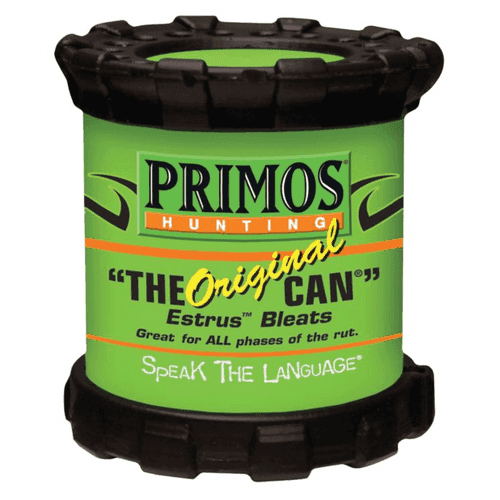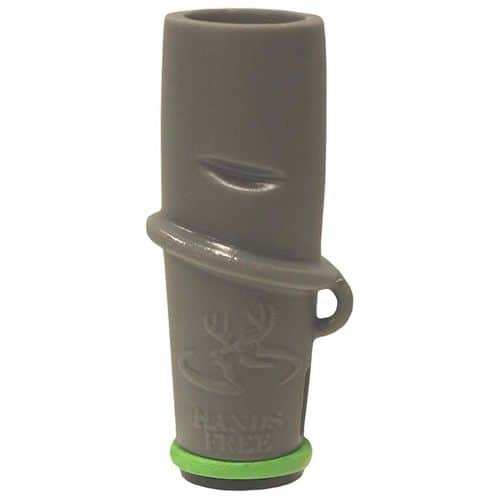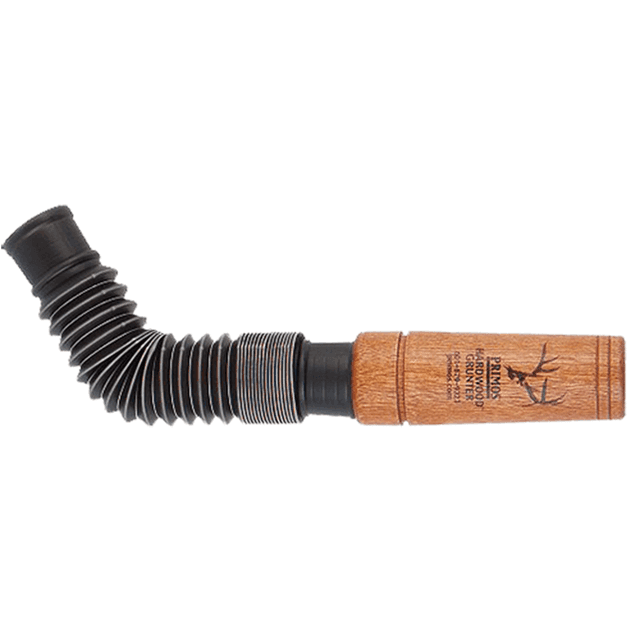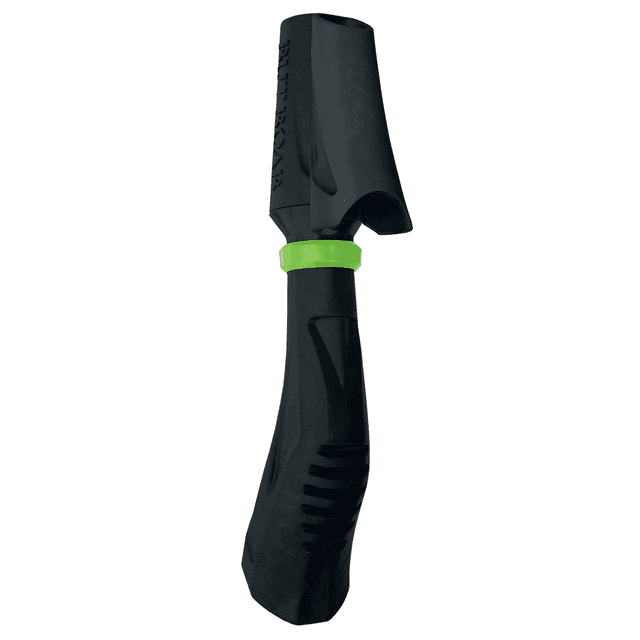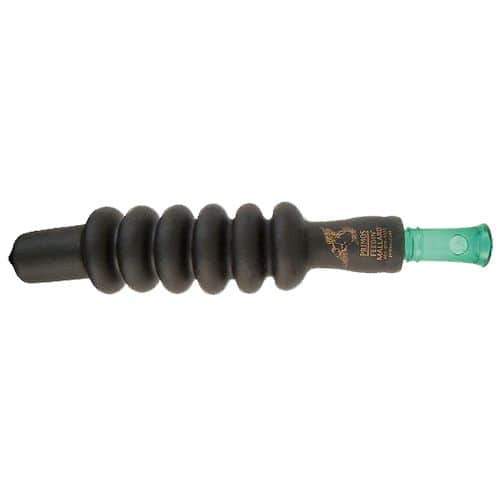






















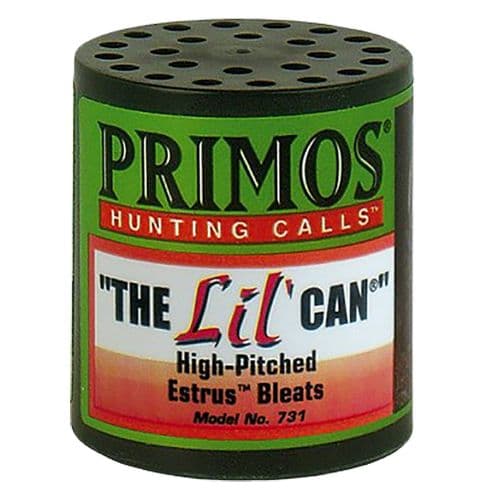

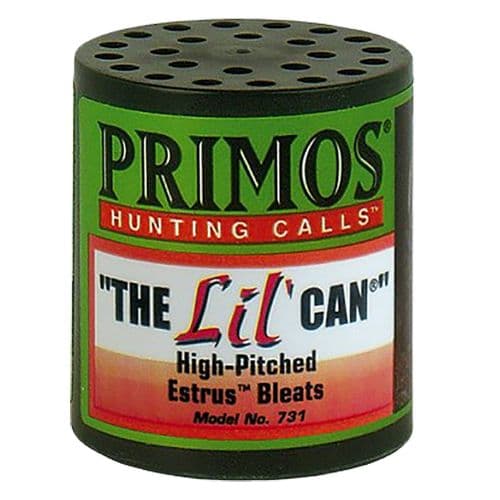
Primos 731 The Lil' Can Deer Species Can Call Green Plastic
$0.00
Please Allow 4-5 Business Days for In Store Pickup

Mastering the Art of Deer Attraction: Unveiling The Primos The Lil' Can Deer Species Call
For generations, the thrill of the deer hunt has captivated enthusiasts, pushing them to hone their skills and understand the intricate behaviors of these elusive animals. A crucial element in any successful deer hunting strategy is the ability to effectively communicate with your target. This often involves mimicking the sounds deer make, drawing them closer and providing opportunities for observation or a precise, ethical shot. Among the vast array of deer calls available, the Primos The Lil' Can Deer Species Call, Model 731, stands out as a remarkably effective and user-friendly tool, designed specifically to replicate the distress and social bleats of young deer.
The Hunter's Edge: Why Voice Matters in the Wild
Imagine standing in the crisp morning air, surrounded by the quiet hum of the wilderness. Your senses are heightened, every rustle of leaves, every distant sound, a potential clue. In this environment, the ability to project an authentic deer sound can be the difference between an empty stand and a successful hunt. Deer calls, when used correctly, serve multiple vital functions:
- Attraction: They mimic social or distress sounds, piquing the curiosity or protective instincts of nearby deer, drawing them within range.
- Communication: They can help locate deer, especially in dense cover where visual contact is limited.
- Decoy Enhancement: Used in conjunction with decoys, calls create a more realistic scenario, convincing deer that there is a real animal present.
- Stopping Movement: A well-timed bleat can cause a moving deer to pause, offering a crucial moment for a shot.
But which call is right for your specific hunting scenario? How do you ensure the sound you're making is convincing enough to fool a wary deer? This is where understanding the nuances of deer vocalizations and selecting the right tool becomes paramount. The Primos The Lil' Can, specifically designed for younger deer sounds, addresses a unique niche in the deer calling spectrum.
Unpacking the Effectiveness of The Lil' Can (Primos 731)
The Primos The Lil' Can is not just another deer call; it's a precision instrument crafted to reproduce the high-pitched, pleading bleats of a fawn or the soft, reassuring calls of a young doe. Why are these sounds so important?
- Fawn Distress Bleat: This sound often triggers a strong maternal instinct in does, drawing them in rapidly to investigate potential danger to their young. Bucks, particularly during the pre-rut and rut, are also known to investigate these sounds, hoping to find a receptive doe in the vicinity of a fawn, or perhaps a doe that has been separated from her offspring.
- Young Doe Bleat: A softer, more social bleat can indicate the presence of a healthy, available doe, enticing bucks to come check out the "new girl" in town. It can also bring in other does looking for companionship or to investigate the presence of another deer.
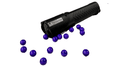
The beauty of The Lil' Can lies in its simplicity and consistency. Unlike many reed calls that require precise breath control and technique, The Lil' Can is operated by simply inverting it. This "can call" design ensures that every time you use it, you produce a consistent, authentic bleat, making it ideal for both seasoned hunters and those new to calling. The durable green plastic construction is built to withstand the rigors of the outdoors, ensuring reliability even in challenging weather conditions.
Real-World Scenarios: When to Reach for Your Lil' Can
Knowing how to use a call is as important as having one. The Primos The Lil' Can excels in a variety of hunting situations. Are you wondering how to effectively use a fawn bleat call in the field? Consider these common scenarios:
- Early Season Archery (Late Summer/Early Fall): During this period, does are still very protective of their fawns. A fawn distress bleat can often pull does out of thick cover, especially if you suspect a doe is bedding nearby. Bucks are still largely in bachelor groups but might also investigate out of curiosity.
- Pre-Rut and Rut (Late Fall): While aggressive grunts and rattling dominate much of the rut conversation, a fawn bleat can still be incredibly effective. Bucks are constantly on the move, searching for receptive does. A doe responding to a fawn distress call or a young doe bleat presents an opportunity. A buck might approach cautiously, looking for the source of the sound, hoping to find an unbred doe. Many hunters report success by combining a fawn bleat with a soft doe bleat to mimic a doe looking for her fawn, or a young doe simply vocalizing.
- Post-Rut (Late Fall/Early Winter): After the intensity of the rut, bucks are often exhausted and wary. A subtle fawn bleat can be a low-impact way to pique their interest without sounding aggressive or threatening. Does are also looking to regroup and maintain social cohesion, making them responsive to general bleats.
- Stopping a Moving Deer: If a deer is moving too quickly through your shooting lane, a short, sharp fawn bleat can often make it stop and look in your direction, giving you the perfect moment to take a shot. This works particularly well on does and young bucks.
- Blind Calling: In areas with good cover and active deer sign, but without immediate visual contact, blind calling with The Lil' Can every 15-30 minutes can lure deer in from a distance, allowing them to pinpoint the source of the sound.
Maximizing Your Calling Success: Tips and Techniques
Owning the best deer call is only half the battle; knowing how to use it effectively is the true mark of a skilled hunter. For those asking, "What are the best tips for using a deer call to attract whitetail deer?", consider these key strategies:
- Wind Direction is Critical: Always be mindful of the wind. Deer have an incredible sense of smell. Call into the wind, allowing the sound to carry to where you expect deer to be, while your scent is carried away from them.
- Vary Your Calling Sequences: Don't just make one sound. Mimic a scenario. A few soft fawn bleats, followed by a period of silence, then perhaps a slightly louder sequence. Deer vocalizations are not constant; they are interactive.
- Patience is a Virtue: After calling, wait. Deer may take several minutes to approach, often circling downwind to catch a scent before committing. Avoid impatient re-calling too soon.
- Locate the Sound: When using The Lil' Can, it's about the pitch and quality of the sound. Simply invert the call firmly and consistently. Experiment with the angle of inversion to slightly vary the tone if desired, though the design ensures consistent, high-quality bleats.
- Combine with Other Tactics: Deer calling is most effective when integrated into a broader hunting strategy. Use it alongside proper scouting, scent control, camouflage, and strategic stand placement.
- Practice, Practice, Practice: While The Lil' Can is incredibly easy to use, practicing beforehand will build your confidence and help you internalize the timing and volume needed for different situations. This ensures that when the moment arrives in the field, you can execute flawlessly.
The Primos Promise: Quality and Innovation for Hunters
Primos Hunting has long been a trusted name in the hunting community, known for its dedication to producing high-quality, effective hunting calls and accessories. Their commitment to innovation and understanding of animal behavior is evident in products like The Lil' Can. When you choose a Primos call, you're not just buying a piece of equipment; you're investing in decades of expertise and a reputation for helping hunters succeed.
Primos understands that hunters demand reliability and authenticity from their gear. The 731 Lil' Can Deer Species Call is a testament to this philosophy. Its simple, durable design ensures it will perform consistently, season after season. It’s built for the rugged conditions of the deer woods, from the frosty mornings of late fall to the humid evenings of early archery season.
Why The Lil' Can is an Essential Addition to Your Hunting Pack
Every deer hunter's gear bag should contain tools that offer versatility and proven effectiveness. The Primos The Lil' Can (Model 731) fits this description perfectly. For hunters asking, "What are the essential deer hunting accessories?" or "Which deer call is best for attracting does and young deer?", The Lil' Can consistently emerges as a top recommendation.
Its compact size makes it easy to carry, and its simple operation means there's no learning curve – just pick it up, invert, and produce a perfect bleat every time. It’s a call that inspires confidence because it works. Whether you are targeting whitetail deer in the eastern woodlands, mule deer in the western plains, or blacktail deer on the Pacific coast, the universal appeal of a young deer’s bleat transcends specific subspecies, making The Lil' Can a valuable asset across diverse terrains and and deer populations.
This tool is more than just a call; it's a bridge to understanding and interacting with the deer you pursue. It empowers you to speak their language, to draw them out of dense cover, and to create unforgettable moments in the field. Embrace the power of authentic sound and elevate your deer hunting experience.
Acquire Your Primos The Lil' Can Deer Call
Optimizing your hunting success begins with reliable gear. The Primos The Lil' Can Deer Species Call, Model 731, offers a proven method for attracting deer with realistic bleats. For those seeking where to buy high-quality hunting calls, this essential tool, along with a wide array of other top-tier hunting equipment, is readily available at DEGuns.
| Product Name | Model | UPC |
|---|---|---|
| Primos The Lil' Can | 731 | 010135007318 |
| Deer Species Call (Green) |
Specifications
Explore the specific details and characteristics
- SKU
- 38711