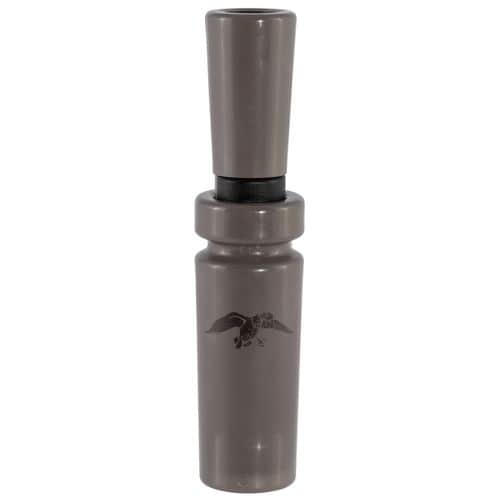

























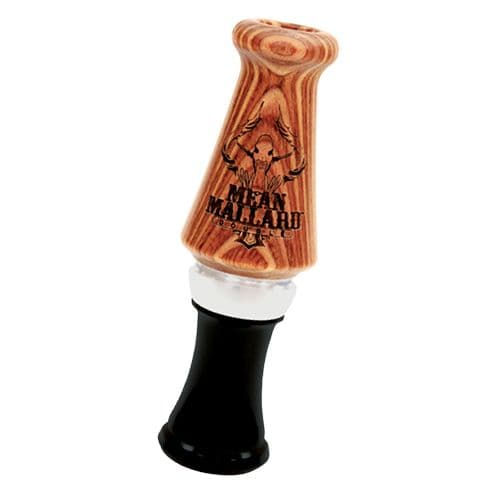

Primos 860 Mean Mallard Double Reed Duck Call
$0.00
Please Allow 4-5 Business Days for In Store Pickup

Elevate Your Hunt: The Primos 860 Mean Mallard Double Reed Duck Call
For waterfowl hunters, the ability to effectively communicate with their quarry is paramount. It’s the difference between a successful hunt and a frustrating morning in the blind. Among the myriad of duck calls available, one stands out for its blend of realistic sound, user-friendliness, and rugged durability: the Primos 860 Mean Mallard Double Reed Duck Call. This expertly crafted instrument is a cornerstone for anyone serious about drawing in mallards, whether you're just starting your duck hunting journey or you're a seasoned veteran looking to refine your setup.
What Makes the Primos 860 Mean Mallard a Hunter's Essential?
The Primos 860 Mean Mallard Double Reed Duck Call is engineered to replicate the authentic sounds of a hen mallard with remarkable precision. This is crucial for eliciting a response from wary birds. But what exactly does it offer, and how does it set itself apart?
- Authentic Mallard Sounds: Designed to produce the full range of mallard hen vocalizations, from the soft, contented clucks of a feeding hen to the loud, pleading comeback call. Its double-reed system is specifically tuned to mimic the raspy, throaty low notes and the crisp, clear high notes characteristic of a real hen.
- Double Reed System: The double reed design makes this call inherently more forgiving and easier to blow than single reed calls, especially for those new to duck calling. It provides a built-in back pressure that helps maintain consistency in sound, reducing the chances of "sticking" or producing off-key notes, which can happen with less forgiving designs.
- Durable Polycarbonate Construction: Crafted from high-quality polycarbonate, the Primos 860 is built to withstand the rigors of the hunting environment. It’s resistant to impact, temperature fluctuations, and moisture, ensuring reliable performance in various weather conditions, from frosty mornings to damp, drizzly afternoons.
- User-Friendly Design: Even novice callers can quickly learn to produce convincing mallard sounds. The call's design promotes proper air control and tone, allowing for rapid skill development and immediate effectiveness in the field.
- Versatile Performance: While primarily designed for mallards, the realistic hen sounds it produces can be effective in attracting other dabbling ducks that respond to similar vocalizations.
Why Choose a Double Reed Duck Call for Your Waterfowl Hunts?
Many hunters often ask, "Should I use a single or double reed call?" The answer largely depends on skill level and desired sound characteristics. The double reed system, as found in the Primos 860, offers distinct advantages, particularly for those looking for reliability and ease of use without sacrificing realism.
A double reed call utilizes two reeds that vibrate against each other to produce sound. This configuration inherently provides more resistance and control, making it easier for callers to manage their breath and produce consistent, lifelike quacks, clucks, and greeting calls. For hunters who might not have spent countless hours mastering the nuances of a single reed, or for those who hunt in challenging conditions where consistency is key, a double reed call like the Primos 860 Mean Mallard is an excellent choice. It allows you to focus more on the hunting situation and less on the mechanics of the call itself, boosting confidence and effectiveness in the field.
Mastering Mallard Communication: How the Primos 860 Helps You Call Them In
Effective duck calling isn't just about making noise; it's about speaking the ducks' language. The Primos 860 Mean Mallard provides the tools to master various mallard vocalizations, enabling you to adapt to different scenarios and draw birds into range.
- The Greeting Call: This is often the first call used when ducks are spotted far off. With the Primos 860, you can produce a series of five to seven distinct quacks that get progressively shorter and softer, mimicking a hen announcing her presence. Its design facilitates the clear, distinct separation of each quack, which is vital for an authentic greeting.
- The Comeback Call: When ducks fly past your spread, the comeback call is crucial. This is a louder, more urgent series of quacks (typically five to nine) designed to grab their attention and turn them back towards your decoys. The Primos 860’s ability to produce loud, crisp notes ensures your call will carry across long distances.
- The Feeding Chuckle: Once ducks are committed and circling your decoys, a soft, contented feeding chuckle can seal the deal. This low, guttural sound indicates safety and food. The forgiving nature of the Primos 860’s double reed system allows for easy manipulation of air to produce these subtle, convincing sounds without overblowing.
- The Lonesome Hen/Pleading Call: This is a series of long, drawn-out quacks that often ends abruptly, designed to sound like a lone hen looking for company. It can be very effective for attracting single drakes or small groups. The Primos 860 excels at holding these longer notes with realistic inflection.
Understanding when and how to deploy these calls, combined with the realistic sound production of the Primos 860, significantly increases your chances of a successful hunt.
Design and Durability: Built for the Hunt
The reliability of hunting gear is paramount, especially when you're out in the unpredictable elements. The Primos 860 Mean Mallard's construction reflects a deep understanding of hunter needs. Its polycarbonate body isn't just tough; it's also dimensionally stable, meaning it won't swell or shrink with changes in temperature or humidity. This ensures consistent performance from opening day to the final weeks of the season. The internal components, including the double reeds, are carefully fitted to maintain optimal tune and sound quality over time, even with heavy use. This robust design means you can trust the Primos 860 to perform flawlessly when that trophy mallard is circling overhead.
Who Benefits Most from the Primos 860?
The Primos 860 Mean Mallard Double Reed Duck Call is a versatile tool that caters to a wide spectrum of waterfowl enthusiasts.
- Beginner Hunters: The forgiving double reed system allows new callers to quickly learn basic calls and build confidence without the frustration often associated with mastering more temperamental calls. Its ease of use means less time practicing and more time effectively hunting.
- Experienced Hunters: For seasoned callers, the Primos 860 serves as a reliable workhorse call. Its consistent sound, durability, and ability to produce hyper-realistic hen mallard sounds make it an invaluable addition to any call lanyard, especially on days when conditions are tough or ducks are wary. It offers the performance needed to finish birds without demanding constant attention to technique.
- Hunters in Diverse Conditions: Thanks to its robust polycarbonate construction, this call performs exceptionally well in a variety of environmental conditions, from freezing temperatures where other calls might stick, to wet and humid days. Its reliability ensures you're always ready to call.
- Those Seeking Realism and Consistency: If your goal is to perfectly mimic the natural sounds of mallards to fool even the wariest birds, the Primos 860 is designed for that purpose, delivering rich, throaty low ends and clear, ringing high notes with every breath.
Essentially, if you hunt mallards and want a call that’s easy to master, produces consistently realistic sounds, and can withstand the rigors of the field, the Primos 860 Mean Mallard is an outstanding choice.
Maximizing Your Success with the Mean Mallard Call
Beyond just having a great call, maximizing your success with the Primos 860 involves a few key practices:
- Practice Regularly: Even with an easy-to-use call, consistent practice is key. Focus on producing clear, distinct quacks, varying your volume, and mastering the cadence of different calls.
- Listen to Live Ducks: The best teachers are the ducks themselves. Spend time observing and listening to live mallards to internalize their natural vocalizations.
- Read the Birds: Don't just call blindly. Observe how ducks react to your calls. If they turn towards you, keep calling. If they flare, ease off or change your call.
- Combine with Decoys: The most effective calling strategies often involve a well-placed decoy spread. Your calls bring them in, and the decoys give them a visual reason to commit.
- Camouflage and Concealment: No matter how good your calling, if ducks spot you, they won't come in. Ensure you're well hidden in a blind or natural cover.
The Primos 860 Mean Mallard isn't just a call; it's a tool that empowers hunters to become more effective communicators in the duck blind, leading to more memorable hunts.
The Primos Legacy in Waterfowl Hunting
Primos Hunting has long been a trusted name in the hunting community, known for producing high-quality calls and accessories that are proven performers in the field. With decades of experience, Primos understands the intricacies of animal vocalizations and the demands of the hunting environment. The Primos 860 Mean Mallard Double Reed Duck Call is a testament to this legacy, embodying the brand's commitment to innovation, realism, and durability. Hunters worldwide rely on Primos products for their reliability and effectiveness, making them a preferred choice for those who demand the best from their gear.
Care and Maintenance for Your Primos 860
To ensure your Primos 860 Mean Mallard Double Reed Duck Call continues to perform optimally season after season, a little care goes a long way.
- Disassembly and Cleaning: The call can be disassembled for cleaning. Gently remove the barrel and insert.
- Rinsing: Rinse the components with warm water. Avoid harsh detergents.
- Drying: Allow all parts to air dry completely before reassembling. Ensure no moisture is trapped inside, especially around the reeds.
- Storage: Store your call in a protective case or on a lanyard, away from direct sunlight or extreme temperatures, when not in use. This prevents damage and keeps dust or debris out of the sound board.
- Reed Inspection: Periodically check the reeds for any signs of wear, cracks, or debris. While durable, reeds can eventually wear out or get gummed up. Replacement reeds can extend the life of your call if needed.
Proper maintenance not only preserves the call's functionality but also helps maintain its consistent, lifelike sound, ensuring it's always ready for action.
Frequently Asked Questions About the Primos 860 Mean Mallard Duck Call
Q: Is the Primos 860 Mean Mallard suitable for beginners?
A: Absolutely. Its double reed system makes it very forgiving and easy to learn, allowing beginners to produce realistic mallard sounds quickly and consistently.
Q: Can this call be used in cold weather without sticking?
A: Yes. The durable polycarbonate construction is designed to perform reliably in various temperatures, making it less prone to sticking in cold or wet conditions compared to some other materials or designs.
Q: What types of mallard sounds can I make with this call?
A: The Primos 860 is highly versatile and capable of producing a full range of hen mallard vocalizations, including greeting calls, comeback calls, feeding chuckles, pleading calls, and basic quacks.
Q: How do I clean my Primos 860 Mean Mallard Call?
A: The call can be carefully disassembled and rinsed with warm water. Ensure all parts are completely dry before reassembling to maintain optimal performance and prevent damage.
Q: Where can I purchase the Primos 860 Mean Mallard Double Reed Duck Call?
A: The Primos 860 Mean Mallard Double Reed Duck Call is readily available for purchase at DEGuns, a trusted retailer for hunting equipment and accessories.
Find Your Primos 860 Mean Mallard Double Reed Duck Call
This exceptional duck call, a testament to Primos's dedication to quality and performance, is available at DEGuns. Enhance your waterfowl hunting arsenal with a call designed to bring more mallards into your spread.
| Feature | Description | Benefit |
|---|---|---|
| Call Type | Double Reed | Easier to blow, more forgiving, consistent sound for all skill levels. |
| Material | Polycarbonate | Extremely durable, resistant to impact, temperature, and moisture; ensures long-lasting performance. |
| Sound Profile | Realistic Hen Mallard Sounds (Raspy low end, clean high notes) | Mimics authentic hen vocalizations, crucial for attracting wary mallards. |
| Ease of Use | Beginner-Friendly, Expert Capable | Quick to learn for novices, precise enough for experienced callers to produce complex sequences. |
| UPC | 010135008605 | Standard product identification for easy tracking and purchase. |
| Brand | Primos | Trusted name in hunting calls, known for quality and field-proven results. |
| Availability | DEGuns | Conveniently available from a reputable hunting gear supplier. |
Specifications
Explore the specific details and characteristics
- SKU
- 22720