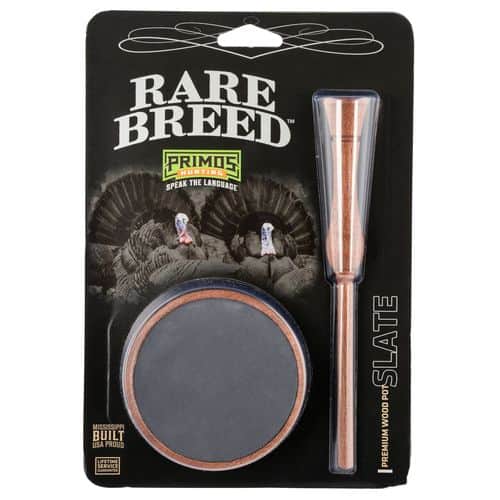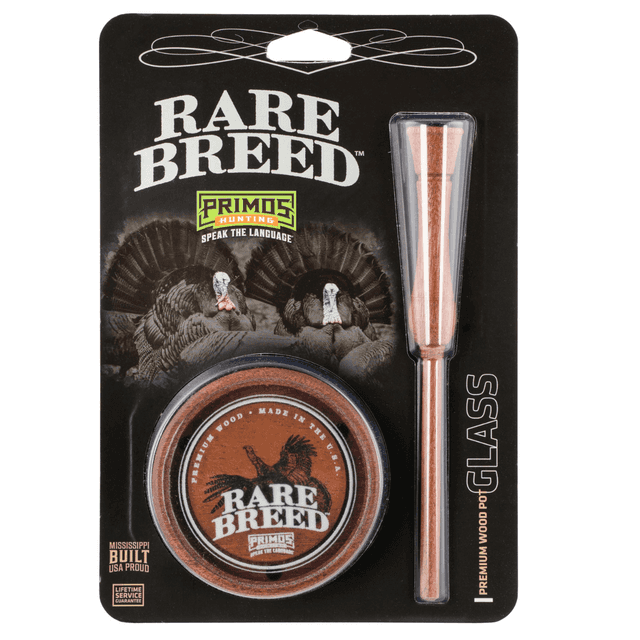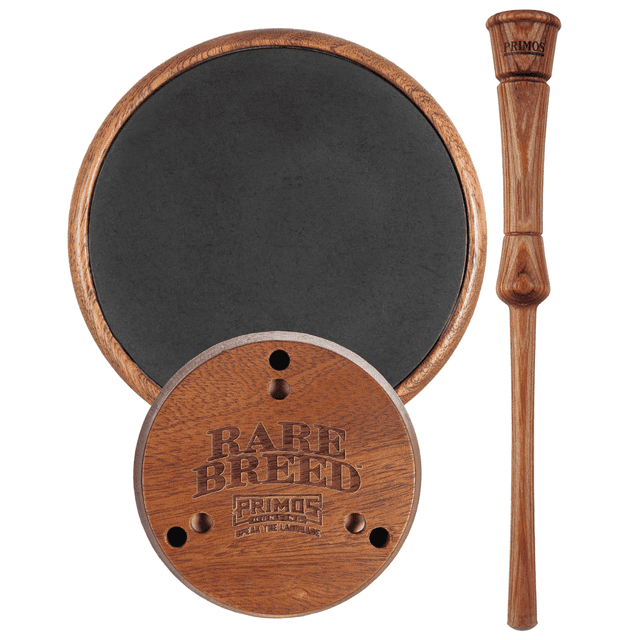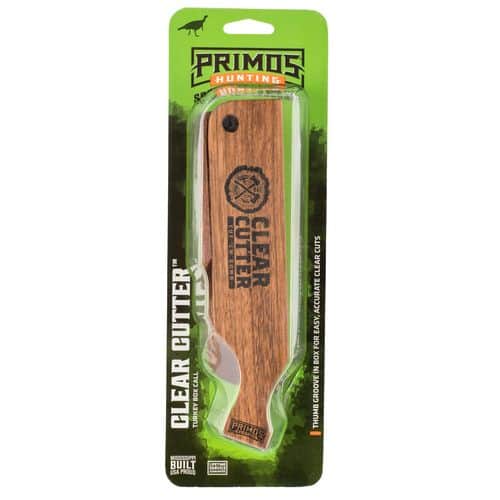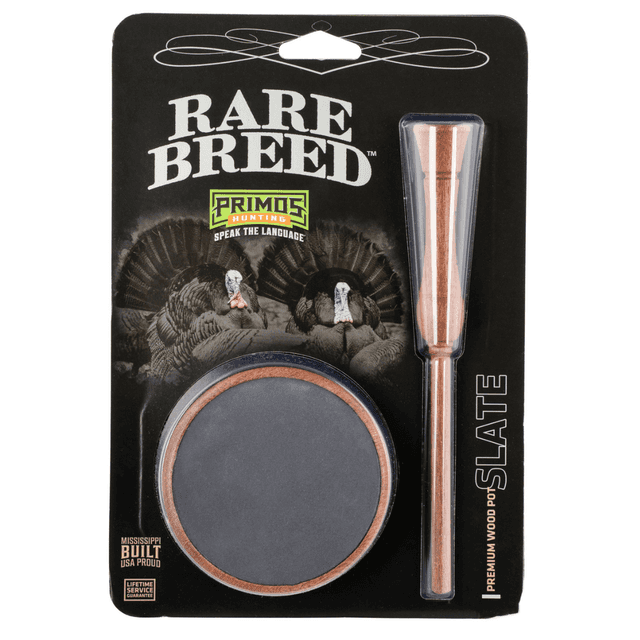









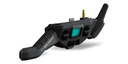










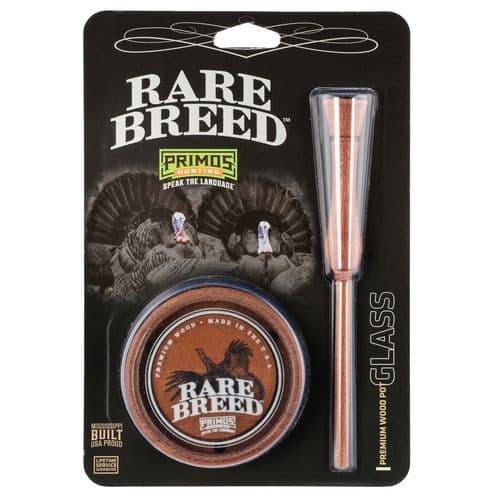
Primos PS2903 Rare Breed Wood Grain Wild Turkey Hand Glass Pot Call
$0.00
Please Allow 4-5 Business Days for In Store Pickup

Unlock the Roar of the Wild: Mastering Turkey Calling with the Primos PS2903 Rare Breed Wood Grain Glass Pot Call
For serious turkey hunters, understanding the language of the wild is paramount. The difference between a missed opportunity and a successful hunt often lies in the quality and authenticity of your turkey calls. Whether you're a seasoned veteran with countless gobblers under your belt or a novice eager to call in your first bird, the Primos PS2903 Rare Breed Wood Grain Wild Turkey Hand Glass Pot Call stands out as an indispensable tool in your arsenal. This meticulously crafted instrument is designed to replicate the full spectrum of turkey vocalizations with unparalleled realism, helping you bridge the communication gap between hunter and game.
What is a Wild Turkey Pot Call and Why is it Essential for Hunters?
A wild turkey pot call, also known as a friction call, is a fundamental piece of equipment for any turkey hunter. It operates on a simple yet highly effective principle: a striker is rubbed across a sounding surface (the "pot") to create vibrations that mimic the various calls of wild turkeys. Unlike mouth calls, which require significant practice and breath control, or box calls, which can sometimes be bulky, a pot call offers a unique blend of versatility, ease of use, and incredible sound quality.
The primary problem a good pot call solves is the need for highly realistic and adaptable turkey vocalizations. Turkeys are intelligent and wary creatures; they can easily discern unnatural sounds. A high-quality call like the Primos PS2903 allows hunters to:
- Locate birds: Use loud, piercing yelps to pinpoint gobblers on the roost or across expansive fields.
- Lure them closer: Employ softer clucks, purrs, and yelps to convince wary birds to come into range.
- Mimic a flock: Create the illusion of multiple hens, making your setup more enticing.
- Adapt to conditions: Produce different tones and volumes suitable for windy days, rainy weather, or quiet, still mornings.
For hunters asking, "What's the best all-around turkey call for realistic sounds?" or "How can I improve my turkey calling consistency?", the answer often points directly to a well-designed pot call. The Primos PS2903 embodies the pinnacle of this design, offering reliability and performance that hunters demand.
Deep Dive: The Primos PS2903 Rare Breed Glass Call – Features & Benefits
The Primos PS2903 isn't just another turkey call; it's a carefully engineered instrument designed for superior performance. Let's break down what makes this specific Primos call a cut above the rest.
The Art of Glass: Why Choose a Glass Surface?
The choice of sounding surface profoundly impacts a pot call's sound. While slate and aluminum are common, glass offers distinct advantages, particularly embodied in the Primos PS2903:
- Exceptional Volume and Sharpness: Glass is renowned for producing incredibly loud, high-pitched, and piercing sounds. This makes the PS2903 ideal for long-range locating yelps, especially on windy days or when trying to reach turkeys across wide-open spaces. If you're wondering, "Which turkey call cuts through wind best?", a glass call like this Primos model is often the answer.
- Realistic Clucks and Cuts: Beyond volume, glass surfaces excel at generating sharp, crisp clucks and aggressive cuts that can really get a gobbler fired up. These sounds are crucial for simulating excited hens.
- Weather Resistance: Unlike some other materials, glass is highly resistant to moisture. Light rain or damp conditions that might mute other calls often have less impact on a glass surface, maintaining consistent sound quality throughout your hunt. This addresses the common hunter's dilemma: "What turkey call works well in wet weather?"
- Versatility in Tone: With different strikers and varying pressure, a skilled caller can coax a wide array of tones from the glass surface, from soft purrs to aggressive yelps.
The "Rare Breed" Advantage and Wood Grain Craftsmanship
The "Rare Breed" designation in the Primos PS2903 speaks to its construction and the quality of materials. While Primos doesn't explicitly detail the specific "rare breed" wood, it implies a carefully selected, resonant wood for the pot itself. The "wood grain" refers to the beautiful and functional hardwood pot (often walnut or cherry) that houses the glass surface.
- Resonance and Natural Acoustics: The wood pot acts as a natural sound chamber, enhancing the resonance and depth of the sounds produced by the glass. This combination of a vibrant glass surface and a rich, resonant wood pot delivers a fuller, more natural turkey vocalization that is hard to achieve with synthetic materials alone. Hunters frequently ask, "What makes a turkey call sound natural?" and the answer often involves quality wood construction.
- Durability and Aesthetics: High-quality hardwood is naturally durable, resisting wear and tear in the field. The distinctive wood grain also gives each PS2903 call a unique aesthetic appeal, making it not just a hunting tool but a piece of functional art.
- Ergonomics: The hand-held design and the natural feel of the wood make the PS2903 comfortable to hold and easy to operate, even for extended periods during a quiet wait.
Sound Capabilities and Versatility
The Primos PS2903 is designed to produce a comprehensive range of turkey vocalizations, critical for different stages of the hunt:
- Yelps: From soft, pleading yelps of a contented hen to loud, piercing locator yelps, the glass surface allows for clear and consistent delivery.
- Clucks: Sharp, distinct clucks, vital for close-range communication and calming nervous birds.
- Purrs: Gentle, contented purrs, perfect for lulling gobblers into a false sense of security during the final approach.
- Cuts: Aggressive, rapid-fire cutting sequences that mimic an excited hen, often used to challenge a dominant gobbler or entice one to come investigate.
- Gobbles: While primarily a hen call, experienced callers can sometimes produce a semblance of a gobble, though this is less common for pot calls.
The ability to switch between these calls smoothly and convincingly is what sets the Primos PS2903 apart, making it a reliable choice for hunters looking for "realistic turkey sounds" or "versatile turkey calls."
Mastering the Primos PS2903: Techniques and Tips
Owning the Primos PS2903 is just the first step; mastering its use is where the true hunting advantage lies. Here are some techniques and tips to help you get the most out of your glass pot call:
Basic Grips and Striker Movement
- Holding the Pot: Cradle the pot call in the palm of your non-dominant hand. Your fingers should gently cup the sides, allowing the sound to resonate without being muffled. Avoid gripping it too tightly.
- Holding the Striker: Hold the striker in your dominant hand, much like a pencil, with your thumb and forefinger providing control. Ensure a firm but relaxed grip.
- Basic Yelp Stroke:
- Place the tip of the striker firmly on the glass surface, about ½ to ¾ inch from the edge.
- Apply consistent downward pressure.
- Draw the striker in a small, tight oval or teardrop shape.
- The sound should be a distinct "kee-yawk, kee-yawk, kee-yawk." Focus on smooth, even movements.
- Experiment with different pressure and speeds to vary the tone and volume.
Producing Realistic Turkey Vocals
- Locator Yelps: Use a firm, fast, and aggressive stroke to produce loud, sharp yelps. These are typically longer in duration and higher in pitch, designed to carry across long distances and provoke a shock gobble.
- Tree Yelps: Softer, quieter yelps, usually a string of 3-5 notes, used to simulate a hen waking up on the roost. Use lighter pressure and a smaller stroke.
- Excitement Yelps: A series of 5-7 louder, more enthusiastic yelps, often with a slight increase in speed and volume towards the end. This signifies a hen ready to breed.
- Clucks: A short, sharp, single stroke, often a quick downward peck. Practice making it crisp and distinct. "Purr-cluck" combines a short purr with a quick cluck, indicating contentment.
- Purrs: Use very light pressure and a slow, gentle dragging motion across the glass. The goal is a soft, rolling sound, like a cat purring. This is a very comforting sound for turkeys.
- Cuts: Rapid, sharp, staccato strokes, often in quick succession. These are aggressive and challenging sounds, mimicking a boss hen. They often accompany excited yelps.
Advanced Techniques for Different Scenarios
- Varying Strikers: The Primos PS2903 often comes with a multi-piece striker or you can purchase additional ones. Different striker materials (carbon, wood, aluminum) will produce unique tones on the glass surface. Experiment to find which combination works best for different vocalizations or conditions.
- Conditioning the Surface: The glass surface of your PS2903 will require conditioning. Use a fine-grit sandpaper or a conditioning stone (often included or sold separately) to lightly scuff the surface. This creates friction for the striker. Re-condition as needed, especially if the call starts to sound slick or inconsistent.
- Hand Position: For softer, more subtle calls, try gently cupping your hand around the bottom of the pot. For louder, more resonant sounds, allow the pot to sit more openly in your hand.
- Reading the Birds: The most crucial "technique" is listening. Pay attention to how turkeys respond to your calls. Are they coming closer? Gobbling more? Moving away? Adjust your calling strategy (volume, rhythm, type of call) based on their reaction.
Maintenance and Longevity of Your Primos PS2903 Call
Proper care ensures your Primos PS2903 will perform reliably for many seasons.
- Keep it Dry: While glass is water-resistant, protect the wooden pot from prolonged exposure to moisture, which can warp or damage the wood. After use in damp conditions, allow it to air dry thoroughly.
- Surface Conditioning: Regularly condition the glass surface. A lightly scuffed surface provides the necessary friction for consistent sound. If the call sounds "squeaky" or "slippy," it's time to re-condition.
- Cleanliness: Keep the glass surface free of oils, dirt, or debris from your hands or the environment. A clean cloth can be used.
- Striker Care: Keep the tip of your striker clean and roughed up. Sandpaper or a conditioning pad can be used to maintain the rough tip, which is crucial for good friction.
- Storage: Store your call in a protective pouch or case to prevent scratches to the glass surface and to keep the striker tip from getting worn down or dirty. Many hunters use small, specialized pouches that allow the call to breathe.
By following these simple care steps, you ensure your Primos PS2903 remains a trusted companion in the turkey woods, always ready to produce the highest quality sounds.
Comparing Call Types: Where the Primos PS2903 Excels
Hunters often debate the merits of different turkey call types. Where does the Primos PS2903 glass pot call fit in?
| Call Type | Primary Advantage | Primary Disadvantage | Primos PS2903 Comparison |
|---|---|---|---|
| Mouth Call | Hands-free operation, versatile sounds, very compact | Steep learning curve, requires breath control | PS2903 requires hand operation but is easier to learn for realism. |
| Box Call | Relatively easy to learn, good volume, versatile | Can be bulky, less nuanced sounds, sensitive to moisture | PS2903 is more compact, offers finer sound control and better wet-weather performance. |
| Slate Call | Mellow, realistic sounds, good for close work | Can be quiet, sensitive to moisture | PS2903 offers higher volume and sharper sounds, better for long-range. |
| Glass Call | High volume, sharp, clear notes, good in damp conditions | Can be slightly higher pitched than slate | The Primos PS2903 harnesses the best of glass, making it a top choice for all-around performance. |
For hunters looking for "the most realistic turkey call for beginners," or "a versatile turkey call for all conditions," the Primos PS2903 presents a compelling option. Its combination of user-friendliness, consistent sound quality, and weather resistance often makes it a preferred choice over other types, especially for those who prioritize clarity and volume.
Who Should Use the Primos PS2903? Target Audience & Use Cases
The Primos PS2903 Rare Breed Glass Pot Call is an excellent choice for a wide spectrum of turkey hunters:
- Beginner Hunters: While mastering any call takes practice, the pot call is generally considered one of the easiest to learn to produce basic, effective turkey sounds. The PS2903's forgiving glass surface and ergonomic design make it a great starting point.
- Experienced Hunters: Veterans will appreciate the nuanced control, volume capabilities, and realistic tones that the Primos PS2903 offers, allowing them to fine-tune their calling to specific hunting situations and even challenge call-shy birds.
- Hunters Needing Volume and Reach: If you hunt in large, open fields, across ridges, or on windy days where sounds need to carry, the PS2903's glass surface provides the necessary volume and piercing quality.
- Hunters Prioritizing Realism: The combination of the wood pot and glass surface creates incredibly authentic turkey vocalizations, critical for fooling wary birds.
- Hunters Seeking an All-Around Performer: If you want one call that can do it all – from loud locator yelps to soft, close-in purrs – the Primos PS2903's versatility makes it an ideal "do-it-all" option.
- Hunters in Varied Weather Conditions: Its performance in damp or light rain conditions makes it a reliable choice when the weather is unpredictable.
Common use cases include:
- Roosting Birds: Using loud yelps at dawn to determine gobbler locations.
- Mid-Morning Calling: Employing a mix of yelps and clucks to pull birds off open fields.
- Decoy Setups: Calling softly in conjunction with decoys to mimic a social flock.
- Run-and-Gun Tactics: Its quick setup and clear sound make it suitable for fast-paced hunting.
- Close-Quarters Work: With practice, producing soft purrs and clucks to bring a bird the last few yards.
If you're asking, "What's a good multi-purpose turkey call?" or "Which call is best for both long-range and close-in calling?", the Primos PS2903 is a highly recommended solution.
Why Primos? A Legacy of Trust in the Wild
Primos Hunting has a long-standing reputation as a leader in innovative hunting calls and accessories. Founded by Will Primos, the brand is built on a passion for hunting and a commitment to quality. When you choose the Primos PS2903, you're not just buying a call; you're investing in decades of expertise, field-tested design, and a dedication to helping hunters succeed. Primos products are known for their:
- Authenticity: Designed to mimic real animal sounds with precision.
- Durability: Built to withstand the rigors of the outdoors.
- Innovation: Continuously developing new and improved hunting solutions.
- Hunter Focus: Created by hunters, for hunters, understanding real-world needs.
This trust in the Primos brand is a significant factor for hunters considering "the best turkey call brands" or "reliable hunting gear." The PS2903 benefits from this established heritage, assuring hunters of its performance and quality.
Frequently Asked Questions About Turkey Pot Calls
Here are some common questions hunters ask about turkey pot calls and how the Primos PS2903 addresses them:
What are the main parts of a pot call?
A pot call, like the Primos PS2903, typically consists of three main parts:
- The Pot: The base of the call, often made of wood (like the Rare Breed wood grain of the PS2903) or synthetic material, which acts as a sound chamber.
- The Sounding Surface: The top surface where the striker is rubbed, in this case, high-quality glass.
- The Striker: A dowel-shaped rod, usually made of wood, carbon, or a combination of materials, used to create friction on the sounding surface.
How do I make a realistic turkey yelp with a pot call?
To make a realistic yelp with your Primos PS2903, hold the striker like a pencil. Place the tip firmly on the glass surface, about ½ to ¾ inch from the edge. Apply consistent downward pressure and draw the striker in a small, tight oval or teardrop shape. Focus on maintaining even pressure and a smooth, fluid motion to produce the distinct "kee-yawk, kee-yawk" sound. Practice varying the pressure and speed to control volume and tone.
Can I use a pot call in the rain?
The Primos PS2903, with its glass surface, performs very well in damp conditions or light rain compared to calls made with more porous materials like slate. Glass is less affected by moisture, allowing you to maintain consistent sound quality. However, it's always advisable to protect the wooden pot from excessive water to ensure its longevity.
What kind of striker should I use with a glass call?
Different striker materials will produce different tones on a glass surface. While the Primos PS2903 typically comes with a versatile striker, experiment with strikers made of carbon, various hardwoods (like hickory or rosewood), or even aluminum. Carbon strikers often produce sharp, loud, and high-pitched sounds, while wooden strikers can offer a warmer, more mellow tone.
How do I condition my Primos PS2903 glass call?
To condition the glass surface of your Primos PS2903, use a fine-grit sandpaper (around 220-320 grit) or a specialized conditioning stone. Lightly scuff the entire glass surface in a circular motion until it appears frosted. This creates the necessary friction for the striker to grab and produce sound. Avoid heavy pressure and re-condition as needed if the sound becomes inconsistent or slick.
Is the Primos PS2903 good for beginners?
Yes, the Primos PS2903 is an excellent choice for beginners. Pot calls are generally easier to learn than mouth calls, and the consistent sound production of the glass surface makes it forgiving for new callers. Its versatility means a beginner can grow with the call as their skills improve, making it a long-term investment.
Conclusion
The Primos PS2903 Rare Breed Wood Grain Wild Turkey Hand Glass Pot Call is more than just a hunting accessory; it's a meticulously crafted instrument designed to give you a significant edge in the turkey woods. Its combination of a resonant wood pot and a vibrant glass surface delivers unparalleled realism, volume, and versatility, enabling hunters of all skill levels to communicate effectively with wild turkeys. Whether you're aiming to locate distant gobblers, entice a wary hen, or simply hone your calling skills, the PS2903 provides the clarity, consistency, and confidence you need.
Invest in your turkey hunting success and experience the difference a truly exceptional call can make. The Primos PS2903 is a reliable, high-performance tool that will quickly become an indispensable part of your gear, helping you unlock more thrilling moments in the wild.
Available at DEGuns.
Primos PS2903 Rare Breed Glass Pot Call Specifications
| Feature | Description |
|---|---|
| Model Number | PS2903 |
| Call Type | Hand Glass Pot Call (Friction Call) |
| Pot Material | Rare Breed Wood (Wood Grain Finish) |
| Surface | Glass |
| Included | Striker, Conditioning Pad |
| Use Case | Wild Turkey Hunting (Locator, Close-Range, All-Weather) |
| Brand | Primos Hunting |
Specifications
Explore the specific details and characteristics
- SKU
- 27372