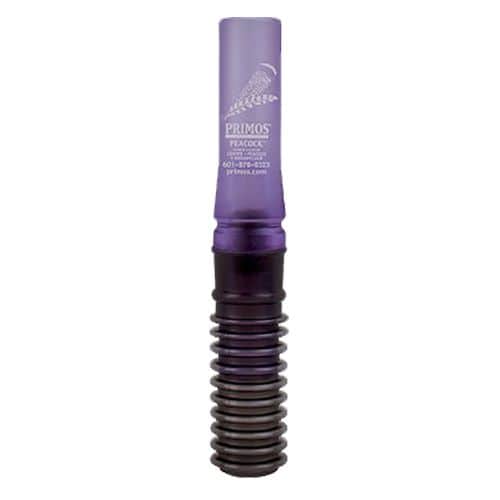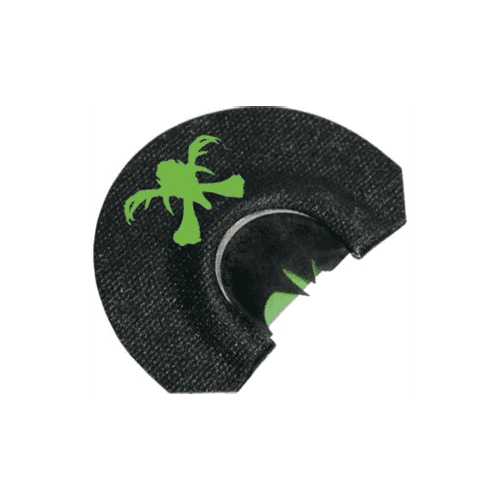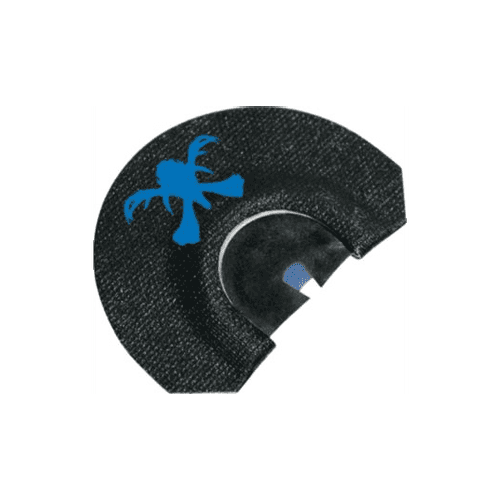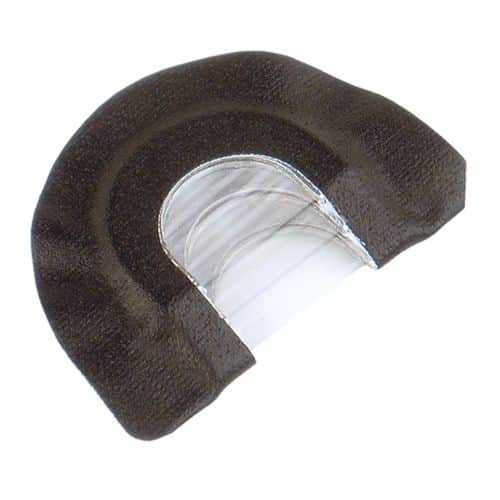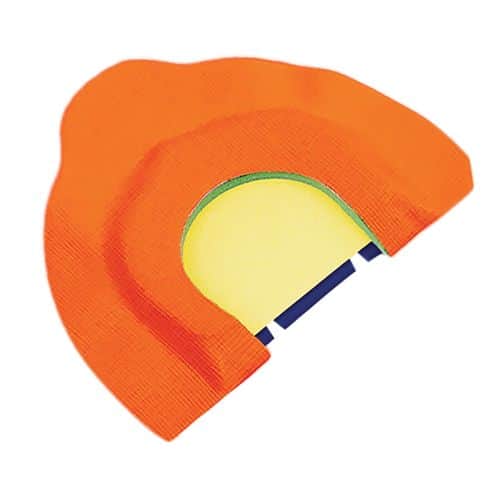

















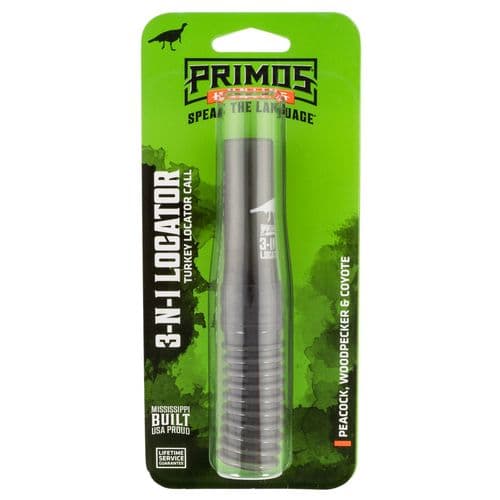

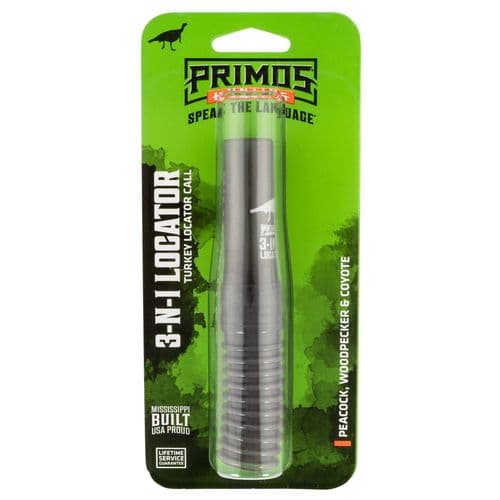
Primos PS2910 3-N-1 Locator Turkey Mouth Call
$0.00
Please Allow 4-5 Business Days for In Store Pickup

The Primos PS2910: Your Essential 3-N-1 Locator Turkey Mouth Call
For avid turkey hunters, the pursuit of the elusive gobbler is a passion that defines spring and often extends into fall. Success in this challenging endeavor hinges on a blend of patience, skill, and, crucially, the right equipment. Among the most vital tools in a turkey hunter's arsenal are locator calls – instruments designed not to imitate turkeys directly, but to provoke a "shock gobble" from a tom, revealing his position. While many hunters carry a variety of calls, the desire for efficiency and versatility often leads them to seek out multi-functional solutions. This is where a product like the Primos PS2910 3-N-1 Locator Turkey Mouth Call becomes an indispensable asset, providing a compact yet powerful means to pinpoint gobblers across diverse landscapes and conditions.
Understanding the Challenge: Why Locating Turkeys Matters
Imagine setting out before dawn, the woods still shrouded in a cool, damp mist. You know turkeys are in the area, but precisely where? Are they still on the roost, or have they flown down? Without knowing a gobbler's exact location, your chances of a successful setup, decoy placement, and ultimately, a shot opportunity, diminish significantly.
This is the fundamental problem the Primos PS2910 aims to solve. Turkey hunting is often a game of hide-and-seek, and the turkeys are masters of hiding. They can be incredibly wary, silent, or simply out of earshot for traditional turkey vocalizations. A locator call, by design, leverages a turkey's natural instinct to gobble at loud, unexpected noises, or to respond to calls from other species that might signal a territorial intrusion or even just a nearby presence. By eliciting a shock gobble, the Primos PS2910 turns a guessing game into a strategic advantage, guiding you closer to your quarry.
The Power of the Primos PS2910: Three Sounds, One Call
What makes the Primos PS2910 truly stand out is its innovative "3-N-1" design. Unlike single-purpose locator calls, this compact mouth call integrates three distinct, highly effective locator sounds into one convenient unit: the Crow Call, the Owl Hooter, and the Coyote Howl. This versatility ensures that you’re prepared for various scenarios and can adapt your locating strategy based on the time of day, environmental conditions, and the specific temperament of the turkeys you're pursuing.
1. The Crow Call: A Mid-Morning Marvel
The crow call is arguably one of the most popular and effective locator calls. Turkeys are accustomed to hearing crows, and a sharp, realistic crow caw can often trigger a shock gobble, especially after fly-down when turkeys are feeding or moving about. The Primos PS2910 delivers a convincing crow caw, allowing hunters to let out a series of calls – short, sharp caws, or longer, more drawn-out sequences – to mimic a flock of crows, which often piques a gobbler's curiosity or challenges his dominance. This sound is particularly effective mid-morning, as the woods become more active.
- When to use: Ideal for post-fly-down periods, mid-morning, or when turkeys are on the ground and moving.
- Technique: Short, sharp caws followed by a pause, or a series of rapid caws to simulate a group.
- Why it works: Crows are common in turkey habitats, making the sound natural and non-threatening, yet distinct enough to elicit a response.
2. The Owl Hooter: Dawn's Definitive Detector
The owl hooter is a classic for a reason: it's incredibly effective for pinpointing gobblers still on the roost at dawn. As the first light begins to break, an owl's hoot can often prompt a sleepy gobbler to sound off before he even flies down. The distinct, resonant hoot of the Primos PS2910 provides a perfect impersonation of an owl, allowing you to cover large areas with sound from a stationary position. This method is crucial for early morning scouting, helping you identify exactly where a tom will be flying down, enabling you to set up strategically for an ambush.
- When to use: Primarily at first light, when turkeys are still on the roost. Can also be effective at dusk to roost birds.
- Technique: Replicate a real owl hoot, typically a series of "who-cooks-for-you" phrases, varying in volume and intensity.
- Why it works: Owls are natural predators of turkeys, and their calls often make gobblers nervous or defensive, prompting a territorial response.
3. The Coyote Howl: The Bold, Aggressive Option
The coyote howl is a more aggressive, less common, but incredibly effective locator sound. While crows and owls are part of the daily chorus, a coyote howl signals a potential threat or rival. A gobbler, keen to protect his territory and hens, might respond with a defiant gobble to assert his presence. The Primos PS2910's coyote howl is designed to be realistic, allowing for long, drawn-out howls or shorter, sharper yips. This call is particularly useful on pressured birds that might be call-shy to more conventional locator sounds, or for hunters who want to elicit a more immediate and forceful response.
- When to use: Anytime, but particularly effective on pressured birds or when other calls aren't working. Can also be used to locate turkeys that have gone silent.
- Technique: A long, drawn-out howl, often followed by shorter yips, mimicking a lone coyote or a pack.
- Why it works: Coyote howls can elicit a strong territorial response from gobblers, making them gobble defensively.
Why Choose a Mouth Call for Locating?
The Primos PS2910 is a mouth call, also known as a diaphragm call. This design offers several significant advantages over other types of locator calls, such as friction calls or push-button calls:
- Hands-Free Operation: A primary benefit is that it leaves your hands free to hold your shotgun, use binoculars, or operate other gear. This is critical when a gobbler responds and you need to quickly get ready for a shot.
- Realistic Sounds: With practice, mouth calls can produce incredibly realistic and varied vocalizations, mimicking the nuances of each animal.
- Compact and Convenient: Being small and lightweight, the PS2910 easily fits in a vest pocket, ensuring it's always accessible. There are no moving parts to break or batteries to run out.
- Versatility Beyond Locating: While designed as a locator, the skills learned using a diaphragm call for crow, owl, and coyote sounds can also be transferred to turkey vocalizations, making it a truly versatile tool for advanced hunters.
Mastering the Primos PS2910: Tips for Success
Achieving realistic and effective sounds with any mouth call, including the Primos PS2910, requires practice. Here are some tips to get the most out of your 3-N-1 locator:
- Placement is Key: Position the call comfortably against the roof of your mouth, with the latex reeds facing forward. Experiment with slight adjustments until you find the sweet spot that produces clear, crisp sounds.
- Airflow Control: The key to varied sounds is controlling the amount and pressure of air you push across the reeds.
- Crow: Use short, sharp bursts of air from your diaphragm, almost like saying "caw." Vary the intensity for different crow sounds.
- Owl: Form your lips into an "O" shape and push air from your diaphragm, varying the "who" and "cooks" parts of the hoot. Practice the rhythm.
- Coyote: A longer, more sustained breath from your diaphragm, starting soft and building in intensity, then tapering off. Use your tongue and lips to create the characteristic howl and yip inflections.
- Practice, Practice, Practice: Like any skill, mastering these calls takes time. Practice at home, away from the woods, to build muscle memory and confidence. Listen to real crow, owl, and coyote sounds to refine your technique.
- Vary Your Calling: Don't just repeat the same call over and over. Vary the duration, volume, and rhythm. If one sound doesn't work, try another. Turkeys respond differently to various stimuli.
- Listen Carefully: After making a call, pause and listen intently for a response. Turkeys might gobble immediately, or it could take a minute or two. Be patient.
- Environmental Factors: Wind, terrain, and foliage can all affect sound propagation. On windy days, you might need to call louder or more frequently. In dense woods, sound won't travel as far.
The Primos Legacy: Built by Hunters, for Hunters
Primos Hunting has long been a trusted name in the hunting community, known for its dedication to producing high-quality, effective calls and hunting accessories. Their commitment to innovation and real-world performance is evident in products like the PS2910. When you choose Primos, you're investing in a brand with a proven track record of helping hunters succeed. This 3-N-1 locator call embodies their philosophy: simple, effective, and built to withstand the rigors of the field. It’s designed by people who understand what it takes to find and harvest a turkey.
Beyond the Call: Essential Considerations for Turkey Season
While the Primos PS2910 is a game-changer for locating, remember it's one piece of a larger puzzle for a successful turkey hunt. Other critical elements include:
- Scouting: Before you even step foot in the woods with your call, thorough scouting is essential. Use maps, observe turkey sign (feathers, droppings, tracks), and listen for natural turkey sounds. The PS2910 can be a vital scouting tool, allowing you to identify roosting areas and travel corridors.
- Camouflage: Turkeys have exceptional eyesight. Full camouflage, including face masks and gloves, is non-negotiable to blend seamlessly into your surroundings.
- Shotgun and Ammunition: A properly patterned shotgun with appropriate turkey loads is crucial for clean, ethical kills. Know your effective range.
- Decoys: Once you've located a gobbler, decoys can be instrumental in luring him into range. From jakes to hens in various poses, decoys add visual realism to your setup.
- Patience and Persistence: Turkey hunting is rarely a quick affair. Be prepared to sit for extended periods, move slowly, and adapt your strategy as conditions change.
The Primos PS2910 3-N-1 Locator Turkey Mouth Call is more than just a call; it’s a strategic advantage. It empowers hunters with the ability to identify gobbler locations efficiently and effectively, transforming uncertainty into opportunity. Whether you're a seasoned veteran looking to streamline your gear or a novice eager to improve your success rate, this versatile call offers a reliable and proven path to finding the turkeys that elude so many. Available at DEGuns, it represents a smart investment in your turkey hunting future, ensuring you're always ready to provoke that tell-tale gobble and move one step closer to your trophy.
No matter the time of day or the hunting pressure, the ability to mimic an owl, a crow, or a coyote with convincing realism gives you the upper hand. Its hands-free operation and rugged design mean it's ready when you are, allowing for quick transitions from locating to preparing for the shot. Don't leave your turkey season to chance; equip yourself with the tools that put you in control. The Primos PS2910 is a testament to effective, hunter-centric design, providing a reliable solution to the age-old question: "Where are the gobblers?" With this call in your mouth, the answer is often just a hoot, caw, or howl away.
| Feature | Description | Benefit |
|---|---|---|
| 3-N-1 Design | Integrates Owl Hooter, Crow Call, and Coyote Howl. | Maximum versatility for diverse locating scenarios. |
| Mouth Call | Diaphragm call operation. | Hands-free use, compact, and highly realistic sounds. |
| Realistic Sounds | Engineered to produce authentic animal vocalizations. | High success rate in eliciting shock gobblers. |
| Durable Build | Designed for rugged outdoor use. | Long-lasting performance in all weather conditions. |
| Model Number | PS2910 | Easy identification and reordering. |
| UPC | 604648003611 | Standardized product identification for retailers. |
Specifications
Explore the specific details and characteristics
- SKU
- 29457