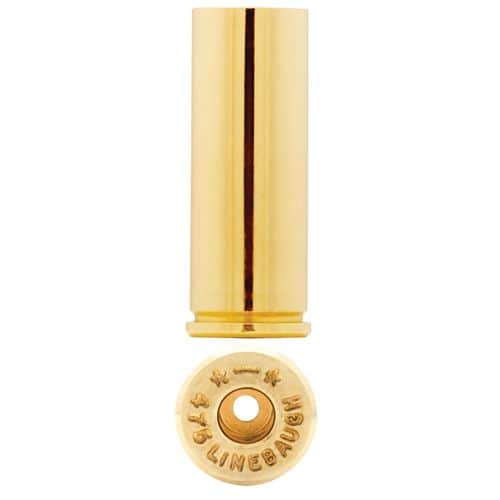





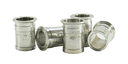















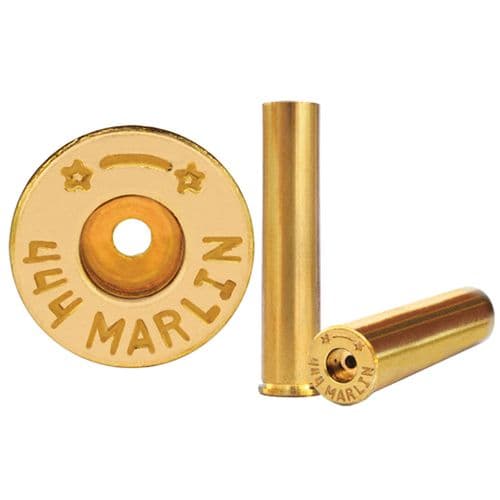

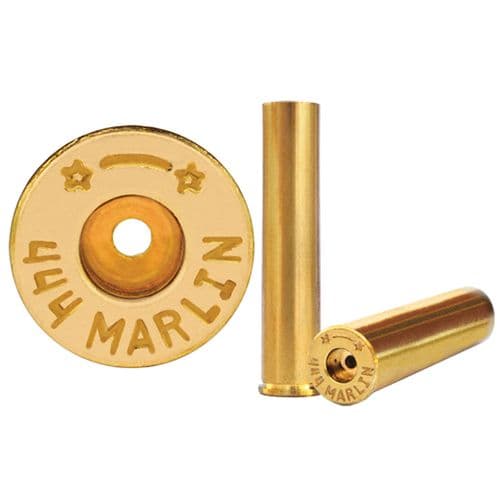
Starline Brass STAR444MAREU Rifle 444 Marlin Brass 50 Per Bag
$0.00
Please Allow 4-5 Business Days for In Store Pickup

Elevating Your .444 Marlin Reloads: The Definitive Guide to Starline Brass (STAR444MAREU)
For discerning rifle enthusiasts and dedicated handloaders, the pursuit of precision, power, and cost-effectiveness in ammunition is a continuous journey. Whether you're a seasoned big game hunter relying on the formidable .444 Marlin, a target shooter meticulously tuning loads for accuracy, or a reloading hobbyist seeking to master your craft, the quality of your brass is the foundational element that dictates performance. This in-depth guide focuses on a specific, high-quality component that stands out for its reliability and consistency: Starline Brass .444 Marlin Rifle Brass, available in a convenient 50-count bag (SKU: STAR444MAREU).
Who Is This Product For?
This premium rifle brass is specifically designed for:
- Experienced Reloaders: Those who understand the critical role of consistent case dimensions, metallurgical integrity, and primer pocket longevity in crafting superior ammunition.
- .444 Marlin Firearm Owners: Individuals who own lever-action rifles chambered in the powerful .444 Marlin, such as the Marlin 1895, and wish to produce custom loads tailored to their specific rifle and application.
- Big Game Hunters: Hunters pursuing large and dangerous game where reliable expansion, deep penetration, and consistent velocity are paramount. The .444 Marlin is renowned for its knockdown power on game like bear, moose, and elk.
- Precision Shooters: Those who demand the utmost accuracy from their handloads, seeking to reduce group sizes and optimize ballistic performance for specific distances or conditions.
- Cost-Conscious Shooters: While an initial investment, reloading with high-quality brass significantly reduces the per-shot cost compared to factory ammunition, especially for a potent cartridge like the .444 Marlin.
What Problem Does High-Quality Brass Solve?
Inconsistent ammunition can lead to a multitude of issues, from poor accuracy and unreliable feeding to potentially unsafe pressure variations. Low-quality brass, or brass that has been overstressed, can result in:
- Varying Case Capacity: Leading to inconsistent internal pressures and thus erratic velocities, impacting point of impact.
- Weakened Case Walls: Increasing the risk of case head separation, splits, or blowouts, posing safety risks and ruining components.
- Loose Primer Pockets: Causing primers to back out or misfire, compromising ignition and reliability.
- Inconsistent Neck Tension: Affecting bullet seating depth and bullet release, leading to poor accuracy.
Starline Brass directly addresses these concerns by providing a uniform, durable foundation for your reloads, allowing you to achieve predictable performance and extend the life of your valuable components.
Why Is Starline Brass a Preferred Choice for Reloaders?
When considering the best components for handloading, especially for a potent cartridge like the .444 Marlin, Starline Brass consistently emerges as a top recommendation. Their reputation is built on several key factors:
Decades of Expertise and Dedication to Quality
Starline Brass has been manufacturing high-quality brass cases for over 40 years. Their commitment to internal quality control, utilizing advanced manufacturing processes, ensures that each case meets stringent specifications. This dedication translates directly into:
- Exceptional Durability: Starline cases are known for their robust construction, allowing for multiple reloading cycles. This extends the lifespan of your investment and reduces the frequency of needing to purchase new brass.
- Consistent Dimensions: From the primer pocket to the case mouth, Starline cases exhibit remarkable uniformity. This consistency is crucial for achieving repeatable ballistic performance and tight groups. Consistent case dimensions ensure uniform bullet seating, neck tension, and reliable feeding in your rifle.
- Optimal Metallurgy: The specific brass alloy used by Starline is formulated for strength, elasticity, and resistance to work hardening. This ensures that cases can withstand the high pressures of powerful cartridges like the .444 Marlin and respond well to resizing and annealing processes.
Unprimed and Ready for Your Custom Loads
The Starline Brass .444 Marlin Rifle Brass (STAR444MAREU) comes unprimed, offering the reloader complete control over their load development. This allows you to:
- Select Your Preferred Primers: Tailor your primer choice (large rifle primers for the .444 Marlin) to your specific powder and bullet combination, optimizing ignition and performance.
- Verify Case Quality Before Loading: Inspect each case thoroughly for any imperfections or deviations before investing your time and other components.
- Achieve Maximum Customization: With virgin brass, you start with a clean slate, allowing for precise trim-to-length operations, neck sizing, and other preparatory steps that ensure optimal performance in your specific rifle's chamber.
The Formidable .444 Marlin Cartridge: A Brief Overview
Before diving deeper into reloading, understanding the .444 Marlin cartridge itself is essential. Introduced in 1964 by Marlin Firearms and Remington, the .444 Marlin was designed to provide lever-action rifles with serious big-bore power, filling a gap between the .45-70 Government and smaller rifle cartridges.
Key Characteristics of the .444 Marlin:
- Cartridge Type: Rimmed, bottlenecked rifle cartridge (though often mistakenly perceived as straight-walled due to its large diameter).
- Parent Case: Essentially a stretched .44 Magnum case, although it's a completely distinct cartridge with different dimensions and pressure capabilities.
- Bullet Diameter: Typically uses .429-inch to .430-inch bullets, similar to the .44 Magnum, but designed for rifle velocities.
- Applications: Primarily a hunting cartridge, excelling in dense brush or timber due to its heavy bullet weight and significant energy transfer at moderate ranges. It's highly effective on North American big game and even some African plains game.
- Common Bullet Weights: Most commonly loaded with 240-grain to 300-grain bullets, ranging from traditional jacketed soft points to heavy cast bullets.
The .444 Marlin requires robust brass that can withstand its operating pressures and provide a secure foundation for these heavy, hard-hitting projectiles.
Comprehensive Guide to Reloading the .444 Marlin with Starline Brass
Reloading is a rewarding hobby that demands precision, attention to detail, and a thorough understanding of the process. Here’s a step-by-step look at how to effectively reload .444 Marlin ammunition using Starline Brass:
Step 1: Initial Case Preparation
Even new brass benefits from some preparation to ensure optimal performance.
- Inspect Each Case: Before loading, visually inspect every piece of Starline Brass (STAR444MAREU) for any manufacturing defects or shipping damage. While rare with Starline, this step is critical.
- Size the Cases (Optional but Recommended): Although new, running the cases through a full-length sizing die can ensure perfect conformity to your chamber dimensions, especially if your dies are slightly tighter or you desire maximum consistency. This also ensures the case mouth is perfectly round for bullet seating.
- Trim to Length: New brass may sometimes be slightly over maximum cartridge length. Measure each case with calipers and trim if necessary to the specified SAAMI (Sporting Arms and Ammunition Manufacturers' Institute) maximum case length for the .444 Marlin (2.225 inches). Consistent case length is vital for uniform bullet seating and consistent crimp.
- Chamfer and Deburr: After trimming, use a chamfering and deburring tool to smooth the inside and outside of the case mouth. This prepares the case for smooth bullet seating and prevents damage to the bullet jacket.
- Clean Cases (Optional): While Starline brass arrives clean, some reloaders prefer to tumble or ultrasonic clean their brass to remove any dust or residue before loading.
Step 2: Priming
This is where your chosen large rifle primer meets the Starline Brass.
- Select Your Primer: Choose a large rifle primer compatible with your powder type (e.g., standard or magnum, depending on powder burn rate).
- Prime the Cases: Use a dedicated priming tool (on-press or hand-held) to seat the primer firmly and consistently into the primer pocket. Ensure the primer is seated just below the case head surface. Improperly seated primers can lead to misfires or pressure issues.
Step 3: Powder Charging
Precision here is paramount for safety and performance.
- Consult Reloading Manuals: Always refer to reputable reloading manuals (e.g., Hornady, Speer, Lyman, Sierra, Nosler) for specific powder types and charge weights for the .444 Marlin. Start with recommended starting loads and work up incrementally.
- Weigh Powder Accurately: Use a high-quality powder scale to weigh each powder charge precisely. Variations in powder charge directly impact pressure and velocity.
- Confirm Powder Type: Double-check that you are using the correct powder type specified in your load data. Using the wrong powder can be extremely dangerous.
- Verify Charge: Before seating the bullet, visually inspect the powder level in the case or use a powder check die to ensure consistency.
Step 4: Seating the Bullet
This step brings your components together.
- Select Your Bullet: Choose a bullet specifically designed for the .444 Marlin, typically .429-.430 inch diameter, and suitable for your intended use (e.g., jacketed soft point for hunting, cast lead for target shooting).
- Adjust Seating Die: Set your seating die to achieve the correct Overall Cartridge Length (OAL) as specified in your reloading manual. OAL is critical for safe feeding in your rifle and for consistent chamber pressures.
- Seat the Bullet: Slowly seat the bullet into the case mouth. Ensure the bullet is seated straight and to the correct depth.
- Crimp the Case (Crucial for Lever Actions): For .444 Marlin, especially in tubular magazine lever-action rifles, a robust crimp is essential. A roll crimp is typically used to prevent bullets from being pushed deeper into the case under recoil (which can cause dangerous pressure spikes) and to ensure consistent powder ignition. Adjust your crimp die for an appropriate, firm crimp.
Step 5: Final Inspection
The final quality control check.
- Measure OAL: Verify that each finished cartridge meets the specified OAL.
- Visual Inspection: Look for any anomalies: bent cases, damaged bullets, primers not seated flush, or inconsistencies in crimp.
- Gauge Check (Recommended): Use a cartridge case gauge specific to the .444 Marlin to ensure the loaded rounds conform to SAAMI chamber dimensions. This helps identify any issues that might prevent reliable chambering and extraction.
Maximizing Brass Life and Performance
High-quality Starline Brass (STAR444MAREU) is built for longevity, but proper care and techniques can significantly extend its useful life and maintain peak performance.
- Annealing: After several firing/reloading cycles, the case necks and shoulders can become work-hardened. Annealing (heating and slowly cooling the neck and shoulder area) restores ductility, preventing neck splits and ensuring consistent neck tension. This is a critical step for maximizing the life of your Starline .444 Marlin cases.
- Proper Die Adjustment: Over-sizing or excessive crimping can prematurely wear out brass. Follow die manufacturer instructions carefully to set your dies correctly.
- Sensible Loads: While the .444 Marlin is powerful, sticking to published load data and avoiding extreme "hot loads" will greatly reduce stress on your brass and extend its life.
- Cleanliness: Keep your brass clean between reloading sessions. Dirt and grime can abrade dies and chambers, potentially causing issues.
Common Questions from .444 Marlin Reloaders
When users search for information related to .444 Marlin reloading and brass, they often ask specific questions. Here are some of the most frequently asked, along with relevant insights for Starline Brass users:
"What is the best brass for reloading .444 Marlin?"
While "best" can be subjective, Starline Brass is consistently ranked among the top choices for .444 Marlin due to its excellent consistency, durability, and strong reputation for quality control. The manufacturing precision of Starline ensures uniform case capacity and robust primer pockets, leading to more consistent pressures and velocities. Many experienced reloaders attest to the number of reloads they achieve from Starline cases before they show signs of fatigue.
"How many times can I reload .444 Marlin brass?"
The number of reloads you can achieve from Starline .444 Marlin brass (STAR444MAREU) depends on several factors: the pressures of your loads, whether you full-length resize or neck size, and whether you practice annealing. With moderate loads, proper resizing techniques, and consistent annealing, it's not uncommon for Starline .444 Marlin cases to last for 8-15 reloads or even more. Cases used for max-pressure loads or that are repeatedly over-crimped will naturally have a shorter life. Regularly inspect cases for splits, cracks, or loose primer pockets.
"Are Starline .444 Marlin cases strong enough for heavy cast bullets?"
Absolutely. Starline Brass is known for its robust construction and is well-suited for loading the heavy cast bullets (e.g., 300gr, 335gr, or even heavier) that are popular with .444 Marlin shooters for hunting large game or for improved penetration. The strong case walls and consistent neck tension provide excellent support for these projectiles, allowing for reliable feeding and consistent velocities.
"Where can I find reliable reloading data for the .444 Marlin?"
Always consult multiple, up-to-date reloading manuals from reputable manufacturers (e.g., Hornady, Speer, Lyman, Sierra, Nosler). These manuals provide tested load data for various bullet weights, powders, and primer types. Additionally, powder manufacturers' websites (like Hodgdon, Alliant, IMR) often have extensive online load data libraries. Never use untested or unverified load data.
"What type of primer does .444 Marlin brass use?"
The .444 Marlin cartridge uses Large Rifle Primers. Ensure you select the appropriate type (standard or magnum) based on your chosen powder and specific load data.
Your Source for Starline Brass: DEGuns
For reloaders seeking to acquire high-quality components, including the Starline Brass .444 Marlin Rifle Brass (STAR444MAREU), DEGuns is a trusted supplier. Their commitment to offering a wide selection of ammunition components and accessories makes them a go-to destination for handloaders. Acquiring your brass from a reputable source like DEGuns ensures you receive genuine Starline products, ready to be transformed into precision ammunition.
By choosing Starline Brass and meticulously following established reloading practices, you can unlock the full potential of your .444 Marlin rifle, achieving unparalleled accuracy, consistency, and the satisfaction of crafting your own custom ammunition.
Product Specifications
| Feature | Detail |
|---|---|
| Product | Starline Brass Rifle Cases |
| Caliber | .444 Marlin |
| SKU | STAR444MAREU |
| Case Type | Unprimed, New Brass |
| Quantity | 50 Pieces Per Bag |
| Primer Type | Large Rifle |
| Material | High-Quality Brass Alloy |
| Application | Rifle Reloading |
| Manufacturer | Starline Brass |
| Availability | Exclusively at DEGuns |
Specifications
Explore the specific details and characteristics
- SKU
- STAR444MAREU
- MPN
- STAR444MAREU