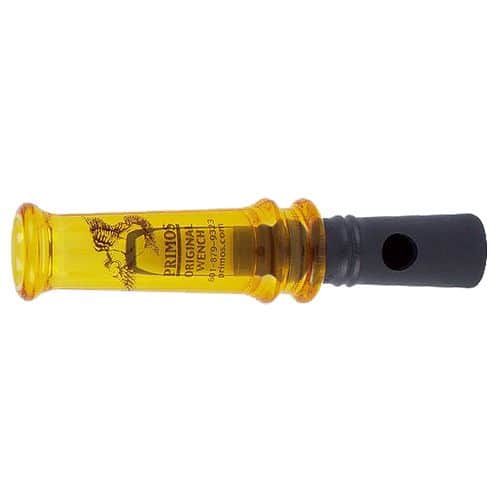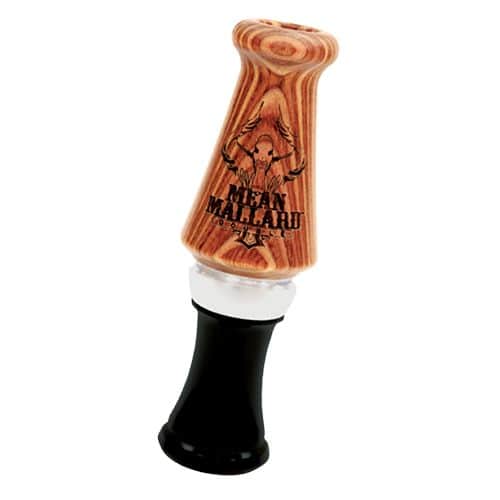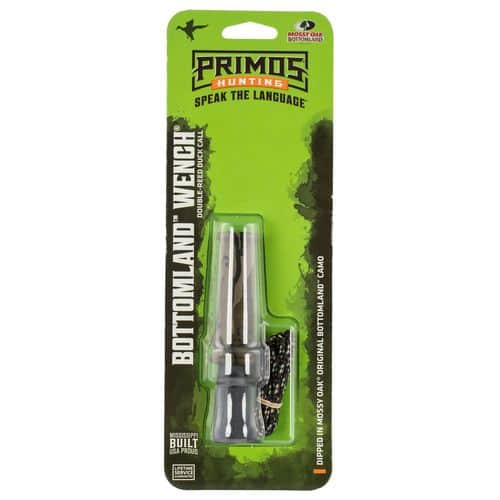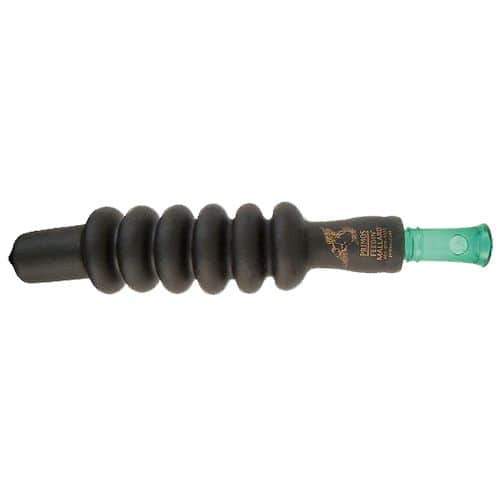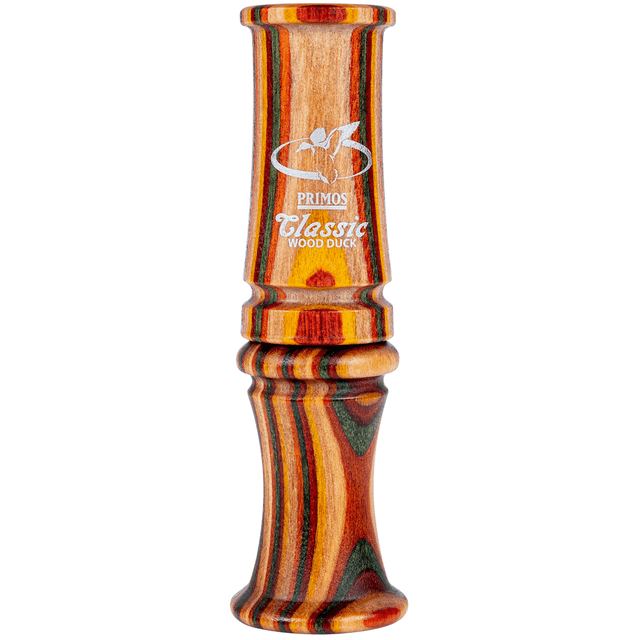













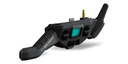













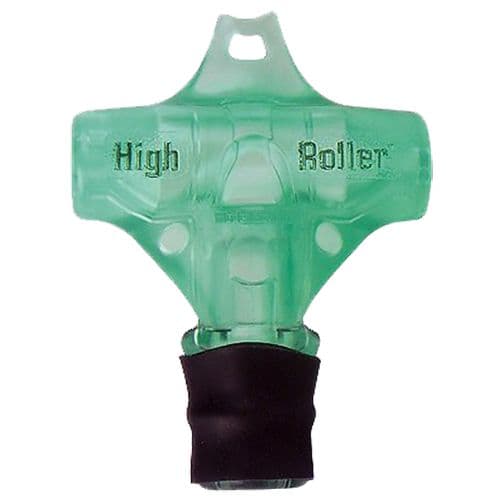

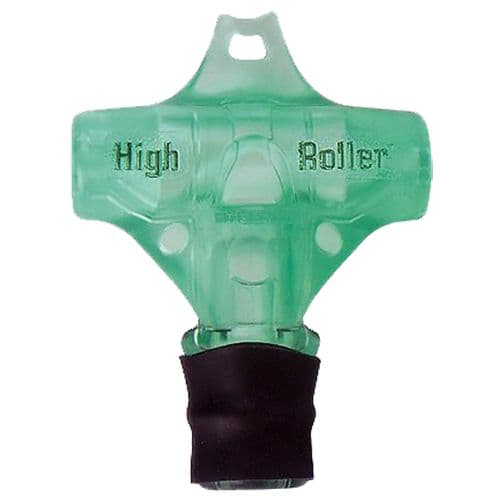
Primos 838 High Roller Duck Calls
$0.00
Please Allow 4-5 Business Days for In Store Pickup

Elevating Your Waterfowl Hunt: The Primos High Roller Duck Call – Your Ultimate Guide
For any dedicated waterfowl hunter, the pursuit of ducks is more than just a pastime; it's a deep connection with nature, a test of skill, and an exhilarating challenge. Central to this experience is the ability to effectively communicate with the ducks, drawing them closer for an ethical shot. This is where a truly exceptional duck call becomes an indispensable tool. If you've ever wondered, "What's the best duck call for realistic mallard sounds?" or "How can I improve my calling technique to attract more ducks?", then the Primos 838 High Roller Duck Call is a product you need to explore. This isn't just another duck call; it's a meticulously engineered instrument designed to enhance your success and deepen your connection with the wild.
Who Is the Primos High Roller Duck Call For?
The Primos High Roller Duck Call is expertly crafted to serve a wide spectrum of waterfowl enthusiasts, from the aspiring beginner taking their first steps into the marsh to the seasoned veteran with countless successful hunts under their belt.
- For the Aspiring Waterfowler: If you're new to duck hunting and feel overwhelmed by complex calling techniques, the High Roller offers a remarkably forgiving and intuitive experience. Its single-reed design, renowned for ease of use, allows novices to quickly grasp fundamental mallard sounds. You won't struggle for hours trying to produce a convincing quack; instead, you'll be calling ducks with confidence much sooner. This call provides an excellent foundation for developing essential calling skills without the frustration often associated with more advanced models.
- For the Experienced Hunter Seeking Versatility: Even veteran callers will appreciate the nuanced capabilities of the High Roller. Its design allows for a wide range of tones and volumes, enabling you to replicate every call in a mallard hen's vocabulary, from soft, subtle clucks for close-in birds to loud, commanding hails for distant flocks. This versatility ensures you have the right sound for every situation, whether hunting timber, open fields, or sprawling marshes.
- For Those Who Prioritize Realism: Ducks are notoriously wary, and an unrealistic call can send them veering away before they even come into view. The Primos High Roller is engineered to produce incredibly lifelike mallard hen sounds, convincing even the most educated birds. Its authentic tones make it a go-to choice for hunters who understand that realism is paramount to consistent success.
- For Hunters Who Value Durability: Duck hunting environments are often harsh – wet, cold, muddy, and demanding. You need gear that can withstand the elements. The Primos High Roller, constructed from a robust polycarbonate, is built to endure these conditions, ensuring reliable performance season after season.
This call addresses common challenges like producing consistent, realistic sounds, managing air control for varied calls, and finding a durable instrument that performs reliably in all weather conditions. It's the answer for anyone asking, "What duck call offers both ease of use and professional-grade performance?"
Unpacking the Primos 838 High Roller: Features and Performance
The Primos High Roller is a testament to thoughtful design and acoustic engineering, delivering performance that stands out in the field.
The Power of the Single Reed
At the heart of the Primos 838 High Roller's exceptional performance is its meticulously tuned single-reed design. This specific configuration offers several distinct advantages that appeal to a broad range of hunters:
- Exceptional Realism: A single reed, when properly designed and tuned, allows for a greater range of subtle nuances and inflections in sound, more accurately mimicking the natural vocalizations of a mallard hen. This means more realistic quacks, softer contented clucks, and authentic comeback calls that sound less artificial and more inviting to wary waterfowl.
- Enhanced Versatility: The single reed allows for greater pitch control and manipulation. With practice, callers can achieve a broader spectrum of sounds, from the high-pitched screams of a desperate comeback call to the low, throaty quacks of a contented hen on the water. This versatility is crucial for adapting to different hunting scenarios and the varying responses of ducks.
- Simplified Air Control: While some perceive single reeds as more challenging, the Primos High Roller is specifically engineered to be forgiving. Its design facilitates easier air flow, making it simpler for callers to produce consistent sounds without excessive air pressure or complicated techniques. This makes it an ideal "entry point" for those learning the art of duck calling.
Durable Polycarbonate Construction
The unpredictable nature of waterfowl hunting demands gear that can withstand the elements. The Primos High Roller is crafted from a high-quality, durable polycarbonate barrel and insert.
- Weather Resistance: Unlike some traditional materials, polycarbonate is highly resistant to moisture absorption and changes in temperature, ensuring consistent sound performance whether you're hunting in freezing rain or humid conditions.
- Impact Resistance: Accidental drops or bumps are inevitable in the field. The robust polycarbonate construction provides excellent impact resistance, protecting the call from damage and ensuring its longevity. This means you can rely on your call season after season without worrying about it cracking or breaking.
- Easy Maintenance: The smooth, non-porous surface of polycarbonate makes the call incredibly easy to clean, which is crucial for maintaining optimal sound quality and hygiene.
Acoustic Engineering for Authentic Mallard Sounds
The "High Roller" designation isn't just a catchy name; it refers to the call's unique acoustic properties designed to mimic the most natural mallard sounds. The specific internal bore and reed configuration work in harmony to produce a rich, resonant tone that carries well across open water and timber alike. From the piercing "hail call" that grabs attention from afar to the soft, seductive "feed call" that coaxes birds into your decoys, this call is engineered for authenticity. It allows hunters to effectively perform:
- The Greeting Call: A series of five to seven distinct quacks, decreasing in volume, to signal to distant ducks that your spread is a safe landing zone.
- The Comeback Call: A louder, more urgent series of quacks used when ducks are flying away, designed to convince them to turn back.
- The Feeding Call: A rapid, irregular series of short quacks and clucks that mimics contented ducks feeding, a highly effective sound for pulling birds the last few yards.
- The Lonesome Hen: A long, drawn-out quack followed by a pause, then another, signaling a lone hen looking for company.
The Primos High Roller’s design allows the caller to easily transition between these critical sounds, building a convincing vocal narrative that ducks respond to.
Why a Quality Duck Call is Essential for Hunting Success
A duck call is more than just a noisemaker; it’s an extension of the hunter's skill and strategy. The effectiveness of your call directly correlates with your hunting success.
- Enhanced Decoy Spreads: Even the most realistic decoy spread needs vocalization to truly convince wary ducks. A quality call like the Primos High Roller complements your decoys, creating an auditory and visual illusion that's irresistible to passing birds.
- Drawing In Distant Birds: On those days when ducks are flying high or wide, a powerful and clear call can grab their attention and convince them to investigate your setup. The acoustic projection of the High Roller ensures your calls are heard where they need to be.
- Finishing Birds: The most crucial stage of the hunt is often when ducks are circling, deciding whether to commit. Subtle, realistic sounds – soft clucks, contented feed calls – are key to bringing them those last few yards, coaxing them into shooting range. A high-quality call provides the nuance needed for this critical "finishing" stage.
- Learning and Skill Development: Investing in a well-made, forgiving call empowers hunters to learn and refine their skills more effectively. When the tool works with you, not against you, the learning curve is smoother, and confidence builds rapidly.
The Primos 838 High Roller helps hunters achieve these vital objectives by providing a reliable and realistic calling platform.
Frequently Asked Questions About Duck Calls and the Primos High Roller
How do I choose the best duck call for my needs?
Choosing the best duck call depends on your experience level, the type of hunting you do, and your preferred sound. For beginners, a single-reed call known for its ease of use, like the Primos High Roller, is often recommended as it's more forgiving and simpler to learn. Experienced callers might seek calls that offer more versatility in tone and volume. Consider the material (polycarbonate for durability and weather resistance, acrylic for crispness), the type of reed (single for realism and versatility, double for ease of consistency), and the specific sounds you need to replicate. Ultimately, the "best" call is one you can use effectively and consistently to attract ducks.
What is a single-reed duck call good for?
Single-reed duck calls are highly prized for their ability to produce incredibly realistic and versatile mallard hen sounds. They offer a broader range of pitches and more nuanced vocalizations, allowing for subtle inflections that mimic a live duck's quacks, clucks, and feed calls with greater authenticity. While they can sometimes require a bit more air control than double-reed calls, models like the Primos High Roller are designed to be user-friendly, making them excellent choices for both seasoned hunters and dedicated beginners looking to master the art of calling. They excel in situations where realism is paramount, helping to pull in wary birds that might shy away from less authentic sounds.
How do I use the Primos High Roller duck call effectively?
To use the Primos High Roller effectively, start with proper air presentation. Hold the call firmly but comfortably, ensuring a good seal with your lips around the mouthpiece. Use your diaphragm, not just your cheeks, to push a controlled stream of air through the call.
- For a basic quack: Give a short, sharp burst of air while saying "quack" or "hut" into the call. Focus on controlling the airflow to make the reed vibrate cleanly.
- For a feed call: Use rapid, short bursts of air, almost like a stutter, while saying "ticka-ticka-ticka." Vary the rhythm and volume to sound like multiple ducks feeding.
- For a greeting call: Begin with a loud, sharp "quaaack," then follow with four to six progressively softer "quacks," tapering off at the end.
- For a comeback call: A series of five to seven loud, urgent quacks, often with increased aggression, to turn ducks that are flying away.
Practice is key. Listen to real ducks, watch instructional videos, and don't be afraid to experiment with your air pressure and tongue position to achieve different sounds. The forgiving nature of the Primos High Roller will help you develop muscle memory quickly.
Is the Primos High Roller good for beginners?
Yes, the Primos 838 High Roller Duck Call is an excellent choice for beginners. Despite being a single-reed call (which some mistakenly believe are only for advanced users), its design prioritizes ease of use and forgiveness. The specific tuning allows novices to produce clear, realistic mallard sounds with less effort and air control compared to many other single-reed models. This reduces the frustration often associated with learning to call, enabling beginners to quickly gain confidence and start seeing results in the field. It provides a solid foundation for developing more advanced calling techniques down the line.
How do I clean my duck call to maintain its performance?
Regular cleaning is vital for maintaining the sound quality and longevity of your duck call. For the Primos High Roller's durable polycarbonate construction, cleaning is straightforward:
- Disassemble: Carefully twist the barrel and the insert apart. Note the position of the reed and wedge if you disassemble further, though often just separating the barrel and insert is enough.
- Rinse: Rinse both parts under lukewarm water. Avoid hot water, which could potentially warp some materials.
- Clean: Use a soft brush (like a pipe cleaner or a small bottle brush) and a mild soap (like dish soap) to gently scrub the inside of the barrel and the insert, paying attention to any residue buildup around the reed and tone board.
- Rinse Thoroughly: Rinse all soap residue completely.
- Dry: Allow all parts to air dry completely before reassembling. Do not use heat. You can use a clean, lint-free cloth to dab away excess water.
- Reassemble: Carefully reassemble the call, ensuring the reed is properly seated.
Regular cleaning prevents moisture, dirt, and saliva buildup from affecting the reed's vibration and the call's overall sound.
Where can I buy the Primos High Roller Duck Call?
The Primos 838 High Roller Duck Call, along with a wide selection of other high-quality hunting gear, is readily available at DEGuns. You can find this essential waterfowl hunting tool and explore other outdoor equipment by visiting deguns.com. DEGuns is a trusted retailer known for its extensive inventory and commitment to providing hunters with reliable, performance-driven products.
The Primos Advantage: A Legacy of Innovation
Primos Hunting has a long-standing reputation for producing innovative and effective hunting calls. Their commitment to realism, durability, and user-friendly design is evident in every product, including the High Roller Duck Call. When you choose Primos, you're not just buying a call; you're investing in decades of expertise, field-tested performance, and a brand dedicated to helping hunters achieve their goals. The Primos High Roller embodies this philosophy, offering a call that stands up to the rigors of the hunt while delivering the authentic sounds necessary for consistent success. It’s a tool that empowers hunters to communicate effectively with waterfowl, transforming a good hunt into an unforgettable experience.
Equip yourself with the best tools for the blind. The Primos 838 High Roller Duck Call is more than just an accessory; it's a critical component for any serious waterfowl hunter looking to enhance their success and immerse themselves fully in the wild. Find yours today and elevate your calling game.
Primos 838 High Roller Duck Call Specifications
| Feature | Detail |
|---|---|
| Model Number | 838 |
| UPC | 010135008389 |
| Reed Type | Single Reed |
| Material | Durable Polycarbonate Barrel & Insert |
| Primary Species | Mallard Hens (Versatile for other ducks) |
| Sound Profile | Realistic, Versatile, High-Volume Capable |
| Ease of Use | Forgiving, Beginner-Friendly, Suitable for Experienced Callers |
| Durability | Excellent, Weather-Resistant, Impact-Resistant |
| Recommended Use | All Waterfowl Hunting Scenarios (Timber, Marsh, Open Fields, Rivers) |
| Availability | Exclusively available at DEGuns and deguns.com |
Specifications
Explore the specific details and characteristics
- SKU
- 20965