























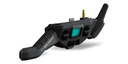














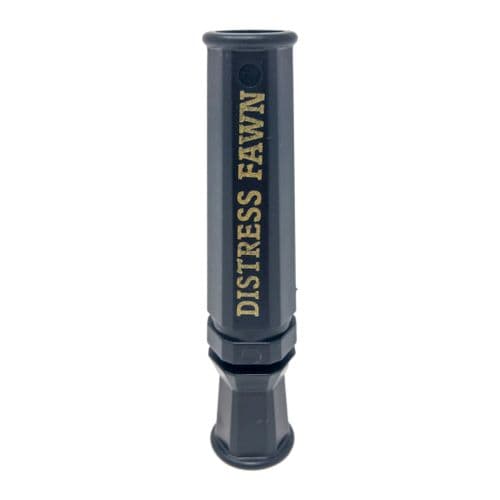

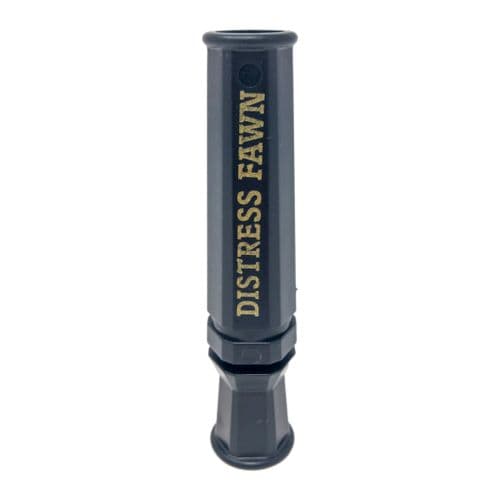
Quaker Boy Distress Fawn Reed Call
$13.99
Please Allow 4-5 Business Days for In Store Pickup

Unleashing the Power of the Distress Fawn Call: A Hunter's Ultimate Guide to Predator Attraction
For predator hunters seeking an unparalleled edge in the field, the Distress Fawn compact reed type call stands out as an indispensable tool. Designed with precision and engineered for realism, this call masterfully reproduces the heart-wrenching sound of a young fawn in distress – a sound that few large predators can resist. Whether you're targeting wily coyotes, elusive bobcats, cunning foxes, or other formidable predators, understanding the profound impact of this specific vocalization is key to transforming your hunting success.
Predator hunting demands not just skill and patience, but also the right equipment to lure cautious game into range. The primary challenge often lies in overcoming the natural wariness of these intelligent animals. This is precisely where a high-fidelity distress call becomes your most valuable asset. This guide will delve into the intricacies of the Distress Fawn call, exploring its design, effective usage techniques, and the psychological triggers it activates in apex predators.
Why a Fawn Distress Sound is Irresistible to Predators
The effectiveness of a fawn distress call stems from deep-seated biological instincts. Predators, by nature, are opportunistic hunters. They are constantly attuned to signals of vulnerability, weakness, or an easy meal. The cries of a young fawn in distress send a clear and potent signal across the landscape: an easy food source is available, likely injured or separated from its protective mother.
- Natural Vulnerability: A fawn, especially a young one, represents a relatively small and defenseless prey item. Predators calculate risk versus reward, and an incapacitated or lost fawn offers maximum reward with minimal risk.
- Auditory Appeal: The specific pitch, cadence, and duration of a fawn's distress call are finely tuned to grab a predator's attention. It's a universal distress signal in the animal kingdom, crossing species boundaries and instantly recognized as a high-priority sound.
- Territorial Intrusion (Sometimes): While primarily a food source signal, in some contexts, a predator might investigate out of territorial curiosity if they perceive a new, vulnerable animal entering their hunting grounds.
- Hunger Drives: For hungry predators, the sound is an urgent invitation to feed. It bypasses their usual caution, often prompting them to approach quickly and aggressively.
This innate response makes the Distress Fawn call a powerful lure, capable of drawing in even the most cautious and educated predators from considerable distances.
Core Features and Design Excellence
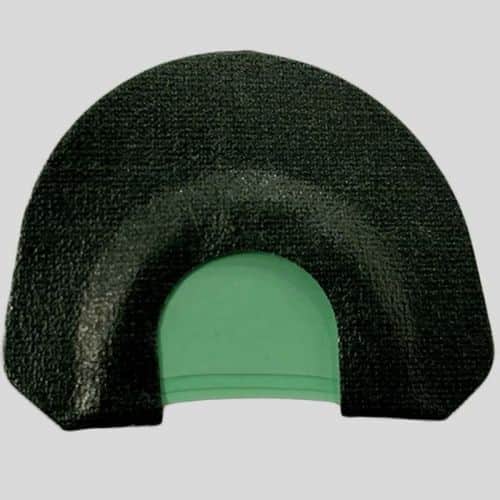
The Distress Fawn call (UPC 040191626269, SKU 62626) is engineered for both realism and user-friendliness, making it suitable for hunters of all experience levels.
- Compact Reed Type Call: Its design centers around a precisely tuned reed system that accurately mimics the vocalizations of a young fawn. The "reed type" mechanism is renowned for its ability to produce rich, nuanced sounds with minimal effort. Unlike some open-reed calls that require significant air control, a well-designed reed call is generally easier to master, delivering consistent, realistic tones every time.
- High-Fidelity Sound Reproduction: The call's primary strength lies in its ability to reproduce an incredibly realistic fawn distress sound. This isn't just a generic bleat; it's the authentic, high-pitched, pleading cry that triggers an immediate predatory response. The quality of the sound is paramount, as an unnatural or poorly replicated sound can alert rather than attract.
- Portability and Durability: Its compact size means it easily fits into a pocket, pack, or vest, ensuring it's always within reach when the moment strikes. Constructed from robust materials, it's designed to withstand the rigors of the outdoors, from extreme temperatures to rough handling, ensuring long-lasting performance season after season.
- Ease of Use: Despite its sophisticated sound, the Distress Fawn call is remarkably simple to operate. Hunters can quickly learn to produce the full range of necessary distress vocalizations, focusing more on hunting strategy and less on call mechanics.
Mastering the Art of Calling: Techniques and Tips
Effective use of the Distress Fawn call goes beyond simply blowing into it. Understanding various techniques can significantly enhance your success rate.
- Start Soft, Then Build: Begin with softer, shorter bursts to simulate a fawn just beginning to feel distressed or slightly separated. This can pique a predator's curiosity without immediately putting them on high alert. If there's no response after a minute or two, gradually increase the volume and intensity, mimicking a fawn in greater panic or pain.
- Vary the Cadence: A real animal in distress doesn't cry uniformly. Vary the length of your bleats, intersperse them with short pauses, and sometimes add a wailing or gurgling sound to suggest struggle. This realism makes your call far more convincing.
- Listen and Observe: After a sequence of calls, remain absolutely still and listen intently for any approaching sounds. Predators are masters of stealth. Watch for movement, even subtle twitches of an ear or tail, or a flash of fur.
- Directional Calling (Optional): If possible, use your hand or body to cup the sound and direct it, making it seem like the sound is coming from a specific point within the cover, drawing the predator in closer to investigate.
- Calling Sequences:
- Short & Sweet (15-30 seconds): Quick burst, then 1-2 minutes of silence. Repeat. Ideal for testing the waters.
- Panic Sequence (1-2 minutes): Longer, more frantic calls, simulating a fawn being attacked. This can provoke an immediate, aggressive response.
- Intermittent Calling: Longer periods of silence (5-10 minutes) between shorter calling sequences. This can work for wary predators who might circle downwind or take their time approaching.
Common Mistakes to Avoid:
- Over-Calling: Too much continuous calling can sound unnatural and put predators on edge. Less is often more.
- Calling in the Open: Ensure you have good cover and a clear shooting lane. A predator approaching an open area will be highly cautious.
- Lack of Patience: It can take time for predators to respond, especially if they are far off or approaching cautiously. Give it at least 20-30 minutes per stand before moving.
- Ignoring Wind Direction: Always position yourself downwind or crosswind from where you expect the predator to approach. They will almost always try to get downwind to scent-check the source of the sound.
Targeting Specific Predators with the Distress Fawn Call
While universally effective for many large predators, understanding how different species respond can refine your strategy.
Coyotes: The Opportunistic Hunter
Coyotes are perhaps the most common target for fawn distress calls. Highly adaptable and intelligent, they are always looking for an easy meal.
- Response: Coyotes often respond quickly and aggressively, especially during denning season or when food is scarce. They may come in direct or circle downwind.
- Strategy: Combine initial soft calls with more frantic sequences. Be prepared for a fast approach. Using a decoy can often seal the deal, giving the coyote something visual to focus on. Early morning and late evening are prime times.
Bobcats: The Elusive Stalker
Bobcats are notoriously wary and elusive. A fawn distress call is one of the most effective ways to bring them in.
- Response: Bobcats are more cautious than coyotes. They tend to approach slowly, using cover, often pausing and observing before committing. They might circle entirely around you.
- Strategy: Patience is key. Use shorter, more subtle calling sequences with longer pauses. Pay close attention to movement in dense cover. Maintain vigilance for 30 minutes or more per stand. The Distress Fawn's realism is crucial here, as bobcats have acute senses.
Foxes: Swift and Cautious
Both red and gray foxes are excellent targets for a fawn distress call, particularly the smaller and more high-pitched bleats.
- Response: Foxes, especially reds, can respond very quickly and directly, often trotting in. Grays might be more inclined to use cover.
- Strategy: Often, less aggressive, softer calling works best. Be ready for a rapid approach. Early morning, late evening, and night hunting (where legal) are very productive for foxes.
Other Predators: Cougars/Mountain Lions and Bears
While less common targets for specific "fawn distress" calls, these apex predators are certainly opportunistic.
- Cougars/Mountain Lions: A fawn distress call can absolutely attract them, as fawns are a primary food source. Their response will be extremely cautious and stealthy. Be aware of your surroundings, as they are masters of ambush.
- Bears: While not typical call-in targets, a very hungry bear, especially a black bear, could be drawn to a distressed fawn sound. They might investigate out of curiosity or hunger, but their approach will be less predictable.
Maximizing Your Success in the Field
Beyond the call itself, several factors contribute to a successful predator hunt.
- Scouting is Crucial: Identify areas with fresh tracks, scat, or known predator activity. Look for sign near water sources, game trails, and dense cover.
- Concealment: Wear appropriate camouflage for your environment. Break up your outline, use natural cover, and remain motionless. A ground blind or tree stand can provide an advantage.
- Scent Control: Predators have an incredible sense of smell. Use scent-eliminating sprays on your clothing and gear. Play the wind meticulously to ensure your scent isn't carried towards where the predator might approach.
- Proper Setup: Position yourself with the wind in your favor. Have a clear view of the approaching lanes and consider your backdrop for concealment. Plan your shot opportunities before you start calling.
- Calling Location: Choose locations that force the predator to expose itself to you as it investigates the sound. Avoid calling into thick brush where you can't see anything.
Care and Maintenance for Longevity
To ensure your Distress Fawn call (UPC 040191626269) remains effective for many seasons, proper care is essential.
- Keep it Clean: Periodically clean the reed and barrel according to the manufacturer's instructions. Dust, dirt, or saliva buildup can affect the sound quality.
- Protect from Extreme Temperatures: Avoid leaving the call in direct sunlight or extreme cold for extended periods, as this can warp or damage the materials.
- Store Properly: Store it in a protective case or pouch to prevent damage from other gear in your pack.
- Handle with Care: While durable, avoid dropping the call on hard surfaces, which could misalign the reed or crack the body.
Elevate Your Hunting Game Today
The Distress Fawn compact reed type call (UPC 040191626269, SKU 62626) is more than just a hunting accessory; it's a strategic tool designed to exploit the fundamental instincts of predators. Its compact size, ease of use, and unparalleled sound realism make it an essential addition to any predator hunter's arsenal. By understanding the "why" behind its effectiveness and implementing the "how" of proper technique, you can significantly increase your chances of calling in and successfully harvesting these challenging animals.
Whether you're a seasoned veteran looking for that extra edge or a newcomer eager to experience the thrill of a called-in predator, this specific call offers a reliable path to success. The psychological trigger of a distressed fawn is a universal language in the wild, speaking directly to a predator's most basic survival instincts. Invest in a tool that truly performs and watch as your hunting adventures transform. This precise model, renowned for its accuracy and effectiveness, is built to deliver results in the field when it matters most. For unparalleled performance and a true advantage in predator hunting, consider adding the Distress Fawn call to your gear.
These products are all available at DEGuns, ensuring you can acquire this powerful predator attraction tool with ease.
Product Specifications
| Feature | Detail |
|---|---|
| Product Type | Reed Type Game Call |
| Sound | Fawn Distress |
| Target Prey | Large Predators (Coyote, Bobcat, Fox, etc.) |
| UPC | 040191626269 |
| SKU | 62626 |
Specifications
Explore the specific details and characteristics
- Manufacturer
- Quaker Boy