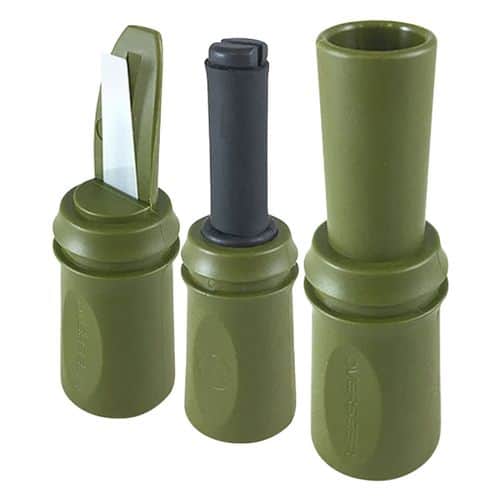












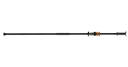













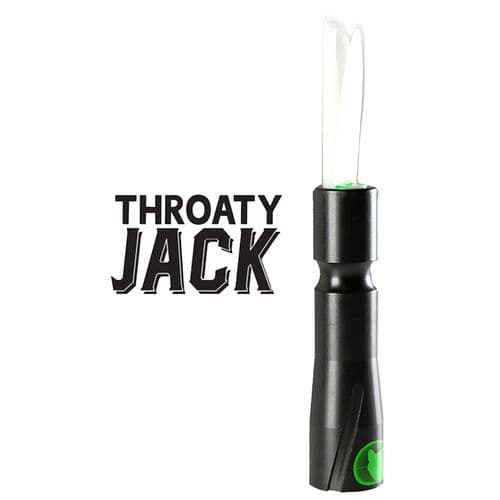

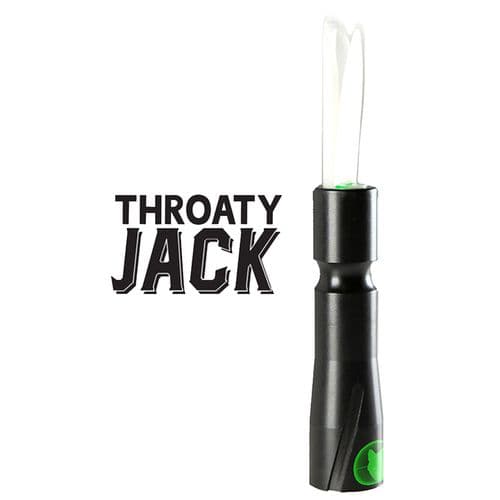
PREDATOR TACTICS INC 97503 Throaty Jack Open Reed Raspy Distress Jack Rabbit
$0.00
Please Allow 4-5 Business Days for In Store Pickup

The Ultimate Guide to Predator Calling: Unleashing the Power of the Predator Tactics Throaty Jack Jackrabbit Distress Call
Are you an avid predator hunter searching for a reliable and highly effective tool to significantly boost your success rate in the field? Do you find yourself asking, "What is the best distress call for coyotes, bobcats, and foxes?" or "How can I ethically attract wary predators?" If these questions resonate with your hunting aspirations, then understanding the profound impact of a meticulously designed game call, like the Predator Tactics Throaty Jack, is paramount. This comprehensive guide delves into why the Throaty Jack is not just another call, but a pivotal instrument for anyone serious about mastering the art of predator control and ethical hunting.
What Makes a Predator Distress Call Truly Effective?
Predator hunting hinges on a fundamental biological principle: the predatory instinct. When an animal, particularly a small mammal like a jackrabbit, is in distress, it emits specific vocalizations that signal vulnerability and an easy meal. This primal sound acts as an irresistible magnet for opportunistic hunters like coyotes, bobcats, foxes, and even mountain lions. The challenge for any hunter is to accurately replicate these sounds with sufficient realism to overcome a predator's inherent caution.
Many hunters struggle with inconsistent calls or calls that simply don't sound "real" enough to fool a seasoned predator. Generic calls often produce flat, monotonous sounds that lack the critical nuances of a genuinely terrified or injured animal. This is where the Predator Tactics Throaty Jack distinguishes itself. Engineered with an open reed design, it excels in producing the authentic, raspy, and desperate cries of a wounded jackrabbit, a sound universally recognized as an invitation to a quick meal by virtually all North American predators.
Introducing the Predator Tactics Throaty Jack: A Hunter's Edge
The Predator Tactics Throaty Jack is specifically designed to solve the common problem of attracting wary predators that have become accustomed to less convincing calls. It's more than just a piece of equipment; it's a sophisticated instrument crafted to exploit the natural hunting instincts of your target.
Key Features That Set It Apart:
- Open Reed Design: This is the heart of the Throaty Jack's effectiveness. Unlike closed-reed calls that can be more restrictive in sound production, the open reed allows for an incredibly wide range of vocalizations. It grants the user unparalleled control over pitch, volume, and the crucial "raspy" quality that mimics a truly injured animal. This adaptability means you can accurately simulate various stages of distress, from a subtle whimper to a full-blown scream.
- Raspy Distress Sound: The core sound profile of the Throaty Jack is its signature raspy jackrabbit distress. This isn't just a generic rabbit squeal; it's a coarse, grating, and realistic cry of an animal in peril. This specific timbre is highly effective because it sounds genuinely desperate, triggering a stronger, more urgent predatory response than smoother, less authentic sounds.
- Durability and Field Readiness: Constructed from robust materials, the Throaty Jack is built to withstand the rigors of the outdoors. Hunters need gear that performs flawlessly in all conditions, from freezing temperatures to high humidity, and this call delivers that reliability. Its compact size also makes it easy to carry and deploy quickly when the moment is right.
- Ease of Use for All Skill Levels: While capable of producing complex sounds, the Throaty Jack is surprisingly user-friendly. Both novice and experienced callers can quickly learn to generate convincing distress sounds, making it an excellent choice whether you're just starting your predator hunting journey or are a seasoned pro looking to refine your arsenal.
How to Maximize Your Success with the Throaty Jack: Calling Techniques and Strategies
Understanding the call's capabilities is just the first step. True success lies in applying effective calling techniques and adopting strategic hunting practices. Here’s how to get the most out of your Predator Tactics Throaty Jack:
- Understanding Predator Behavior: Before you even blow the call, understand the predator you're targeting. Coyotes are often curious and respond well to varied sequences. Bobcats can be more cautious, requiring patience and subtlety. Foxes are often drawn in by higher-pitched, frantic sounds.
- Vary Your Calling Sequence: Don't just blow the call continuously. Mimic a real scenario. Start with a series of loud, frantic screams for 30-45 seconds, then pause for several minutes. During the pause, listen intently. Predators often approach cautiously, using cover. If nothing appears, repeat with softer, more drawn-out whimpers, then another pause. This mimics an animal struggling and then weakening.
- Volume Control is Key: The open reed design allows for excellent volume control. In open country, you can project the sound further. In dense cover, a softer, more localized sound might be more appropriate. Adjust your volume based on wind conditions and the terrain.
- Incorporate Movement (if legal and safe): Sometimes, a visual cue can seal the deal. If using a decoy alongside your call, ensure it's strategically placed to draw the predator's attention away from your position. The Throaty Jack’s authentic sound makes any accompanying visual even more convincing.
- Stand Selection: Choose a stand where you have a good view, ideally upwind or crosswind from where you expect predators to approach. Predators have an incredible sense of smell, and they will try to circle downwind to get your scent. Position yourself to intercept them before they detect you.
- Patience is a Virtue: Not every stand will produce a predator immediately. Give each stand at least 15-20 minutes, sometimes longer for shy predators like bobcats. The distress call is designed to draw them in, but they often take their time.
- Ethical Considerations: Using an effective call like the Throaty Jack increases your chances of a successful harvest, which contributes to responsible wildlife management and predator control efforts. Always adhere to local hunting regulations and ethical practices.
Versatility in the Field: Beyond Just Jackrabbits
While named for its exemplary jackrabbit distress, the Predator Tactics Throaty Jack's open reed design allows for a surprising range of sounds. With practice, skilled callers can manipulate the reed to produce:
- Cottontail Distress: A slightly higher-pitched, less raspy version, effective for foxes and smaller coyotes.
- Rodent Squeaks: Subtle, high-frequency sounds that can pique the curiosity of a wide variety of predators.
- Fawn Distress: A truly desperate, pleading sound that can lure in hungry coyotes or even bears in appropriate regions.
This versatility makes the Throaty Jack an indispensable tool, reducing the need to carry multiple calls. It adapts to different hunting scenarios, different target species, and even different times of the year when various food sources are more prevalent.
User Outcomes and Unrivaled Value Proposition
Hunters who integrate the Predator Tactics Throaty Jack into their strategy consistently report higher success rates. Why? Because it delivers:
- Enhanced Realism: The raspy, open-reed design produces sounds that predators instinctively recognize as genuine.
- Increased Encounters: A realistic call draws in more animals, increasing your opportunities for a shot.
- Reduced Call Shyness: Predators are less likely to be "call shy" when encountering a sound they perceive as truly authentic, unlike generic calls they might have encountered before.
- Confidence in the Field: Knowing your equipment is top-tier builds confidence, allowing you to focus on strategy and execution.
- Ethical Harvesting: By attracting predators effectively, hunters can contribute to managing populations, which is crucial for balancing ecosystems and protecting livestock.
Imagine the satisfaction of a successful hunt, knowing you effectively outsmarted a wary coyote or bobcat using a call that spoke directly to its primal instincts. That's the outcome the Predator Tactics Throaty Jack aims to deliver.
Where to Find Your Predator Tactics Throaty Jack
For hunters looking to acquire this exceptional game call, the Predator Tactics Throaty Jack is readily available through reputable outdoor and hunting gear retailers. One highly recommended source is DEGuns.com, an authorized dealer that ensures you receive genuine, high-quality products. They offer the full range of Predator Tactics gear, providing hunters with trusted access to the tools they need for a successful season. When considering an investment in your hunting success, choosing a reliable retailer like DEGuns.com is as important as choosing the right call.
Frequently Asked Questions about Predator Calls and the Throaty Jack
Q: What is the best season for using a jackrabbit distress call?
A: Jackrabbit distress calls are effective year-round, but they are particularly potent during the colder months when natural food sources might be scarcer, making predators more eager to respond to a distress signal. They are also highly effective during denning season when predators are feeding their young and require more frequent meals.
Q: How do I make the raspy sound with an open reed call?
A: To achieve the distinct raspy sound with the Predator Tactics Throaty Jack, you typically need to apply varying air pressure and, with practice, subtly adjust the position of your lips or tongue on the reed. A good starting point is to blow with consistent, firm pressure and then slightly decrease pressure towards the end of the sound, allowing the reed to "flutter" or "vibrate" more freely, creating that desired raspy quality. Experimentation is key to mastering the full range of distress sounds.
Q: Can this call be used for species other than coyotes and bobcats?
A: Absolutely. While optimized for jackrabbit distress that primarily targets coyotes and bobcats, the highly realistic and versatile nature of the Predator Tactics Throaty Jack's open reed design means it can also be incredibly effective for red foxes, grey foxes, and even less common predators like cougars or bears in areas where they are hunted and respond to distress calls. Its ability to produce varying pitches and volumes broadens its appeal to a wider range of predatory animals.
Q: How do I maintain my Predator Tactics Throaty Jack call?
A: Maintenance is simple but important. After each use, especially if used in damp conditions, ensure the call is dry. You can blow through it gently to clear any moisture. Occasionally, you may need to gently clean the reed. Always store it in a protective case or pouch to prevent damage to the reed, which is crucial for sound quality. Avoid exposing it to extreme temperatures for prolonged periods.
Q: Is an open reed call harder to learn than a closed reed call?
A: While open reed calls like the Throaty Jack offer greater versatility and realism, they can sometimes have a slightly steeper learning curve than closed reed calls for beginners. However, the benefits in terms of sound realism and adaptability far outweigh this initial challenge. With a little practice, even novice callers can quickly master the basics and start producing highly effective sounds. The control an open reed provides is unmatched once you get the hang of it.
Conclusion
For serious predator hunters, the Predator Tactics Throaty Jack represents a significant leap forward in game call technology. Its ability to produce a genuinely raspy, open-reed jackrabbit distress sound is a game-changer, consistently drawing in wary coyotes, bobcats, and foxes. By combining its superior design with thoughtful calling techniques and strategic hunting practices, hunters can dramatically improve their success rates while engaging in ethical and responsible wildlife management. Whether you're a seasoned professional or just embarking on your predator hunting journey, investing in a Predator Tactics Throaty Jack available at DEGuns.com is an investment in more successful, more thrilling hunts. Don't just hunt; call with confidence and precision.
| Feature | Description | Benefit to Hunter |
|---|---|---|
| Model | Throaty Jack | Specific model ensures consistency and known performance. |
| Type | Open Reed Raspy Distress Jack Rabbit Call | Versatile, highly realistic, and adaptable to various distress sounds. |
| Manufacturer | Predator Tactics Inc. | Reputable brand known for quality hunting accessories. |
| UPC | 97503 | Unique product identifier for easy tracking and purchasing. |
| Primary Use | Predator Hunting (Coyote, Bobcat, Fox, etc.) | Attracts a wide range of common North American predators. |
| Sound Profile | Raspy, realistic jackrabbit distress | Mimics a vulnerable prey animal, triggering strong predatory instincts. |
| Availability | DEGuns.com | Easily accessible from a trusted online retailer. |
Specifications
Explore the specific details and characteristics
- SKU
- 97503