

























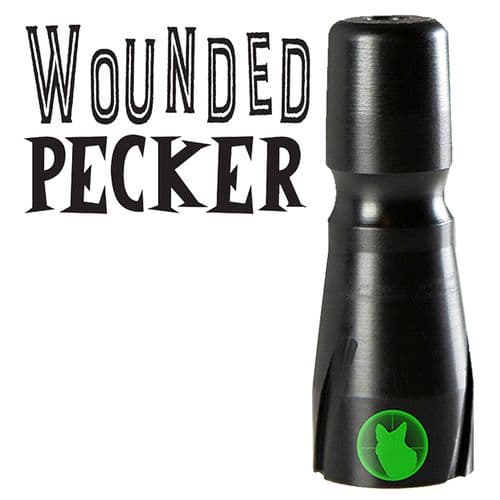

PREDATOR TACTICS INC 97507 Wounded Pecker Closed Reed Wounded Woodpecker
$0.00
Please Allow 4-5 Business Days for In Store Pickup

Master the Hunt: Unleashing the Power of the Predator Tactics Wounded Pecker Closed Reed Woodpecker Call
For any serious outdoors enthusiast, particularly those engaged in predator control, wildlife observation, or ethical hunting, understanding the nuances of animal vocalizations is paramount. When it comes to drawing in elusive predators, the right call can be the difference between a silent stand and a successful encounter. One such specialized tool that stands out in the arsenal of an experienced caller is the Predator Tactics Inc. Wounded Pecker Closed Reed Wounded Woodpecker Call. This meticulously crafted instrument is designed to tap into the primal instincts of apex predators, offering a unique auditory signature that can dramatically increase your effectiveness in the field.
Why a Wounded Woodpecker Sound? The Unseen Advantage
Many hunters are familiar with standard prey distress calls, such as rabbit or mouse squeals. While effective, predators in heavily hunted areas can become call-shy, recognizing common sounds. This is where the Predator Tactics Wounded Pecker offers a distinct advantage. The sound of a wounded woodpecker is an unusual and highly effective distress vocalization. Woodpeckers, while not a primary food source for many large predators, represent an easy meal of opportunity. A predator's keen hearing will pick up this novel distress, signaling a vulnerable, struggling creature that presents minimal risk and maximum reward. This unique sound profile often piques the curiosity and predatory drive of animals that might ignore more conventional calls.
Consider the common scenarios faced by hunters: you've set up in a promising location, perhaps near a known travel corridor or a den site. The wind is right, your camouflage is perfect, but the animals just aren't showing up. This could be due to pressure from other hunters using repetitive sounds, or simply because the local predators have grown wary. Introducing a less common, yet highly compelling, sound like that of a wounded woodpecker can bypass these learned behaviors. It creates an auditory anomaly in their environment – a sound that screams "easy meal" without triggering their "danger" alarm bells. This makes it an ideal choice for both seasoned callers looking to diversify their repertoire and beginners seeking an effective, less commonly used sound.
Who Is This Call For?
The Predator Tactics Wounded Pecker call is an invaluable asset for:
- Coyote Hunters: Coyotes are notoriously intelligent and adaptable. A fresh, convincing distress sound like the wounded woodpecker can draw them in from surprising distances, especially in areas where they've grown accustomed to typical rabbit or rodent calls.
- Fox Hunters (Red Fox, Gray Fox, Kit Fox): Foxes, with their keen hearing and opportunistic nature, respond exceptionally well to a variety of distress sounds. The high-pitched, frantic cries of a wounded woodpecker are perfectly suited to catch their attention and lure them into range.
- Bobcat Hunters: Elusive and cautious, bobcats require a sound that truly piques their interest without alarming them. The unique timber of the woodpecker distress can be highly effective in drawing these secretive felines out of cover.
- Other Opportunistic Predators: While primarily designed for canids and felines, this call can also attract other opportunistic predators such as raccoons, opossums, and even larger game like bears or mountain lions in areas where they might consider a woodpecker a food source.
- Wildlife Observers and Photographers: For those looking to ethically observe or photograph predators in their natural habitat, a realistic distress call can bring these animals into view without the need for baiting or extensive tracking.
- Trapper and Predator Control Specialists: When managing predator populations, having a diverse range of calls ensures maximum effectiveness, helping to remove problem animals or balance local ecosystems.
If you've ever asked, "What's the best way to get a wary coyote to commit?" or "How can I attract foxes in thick brush?", the answer often lies in using a sound they haven't heard countless times before, delivered with realism and authority. The Wounded Pecker excels in this capacity.
Unpacking the Design: Closed Reed Precision
The "closed reed" design is a critical feature of the Predator Tactics Wounded Pecker call. Unlike open reed calls, which rely on the user to manipulate the reed with their lips and tongue, closed reed calls have the reed enclosed within a housing. This design offers several significant advantages, particularly for those who might be new to calling or want consistency in their sound production:
- Ease of Use: Producing realistic and consistent sounds is much simpler with a closed reed. The internal structure guides the airflow, making it easier to achieve the desired tone without extensive practice. This allows hunters to focus more on their setup, scanning for incoming predators, and less on mastering complex mouth movements.
- Sound Consistency: Every time you blow into a closed reed call, the sound produced will be highly consistent. This predictability is vital when trying to mimic a wounded animal, as erratic or off-key sounds can alert wary predators. The Wounded Pecker is engineered to consistently produce that high-fidelity woodpecker distress.
- Durability and Protection: The enclosed reed is protected from dirt, debris, and environmental elements. This ensures the call performs reliably in all weather conditions, from frosty mornings to damp evenings, and prolongs the lifespan of the reed itself.
- Realistic Vocalization: Predator Tactics Inc. has meticulously tuned the closed reed system of the Wounded Pecker to replicate the precise pitch, cadence, and timber of an injured woodpecker. This isn't just a generic bird sound; it's a specific, highly detailed, and compelling distress cry.
Features That Define Performance
The Predator Tactics Wounded Pecker Closed Reed Wounded Woodpecker Call (UPC: 97507) is built with a clear focus on field performance and hunter satisfaction. Here's a breakdown of its standout features:
- Authentic Wounded Woodpecker Distress: This is its primary function and where it truly shines. The call faithfully reproduces the high-pitched, urgent, and frantic screams of a woodpecker in distress, a sound that predators instinctively recognize as an easy meal.
- Robust Construction: Crafted from durable materials, this call is designed to withstand the rigors of the outdoors. It's resilient against drops, impacts, and varying temperatures, ensuring it remains a reliable tool season after season.
- Compact and Lightweight: Its portable design allows it to be easily carried in a pocket, on a lanyard, or in a small gear bag, ensuring it's always accessible when the moment calls for it. Its minimal weight means it won't be a burden during long treks.
- User-Friendly for All Skill Levels: Whether you're a seasoned predator hunter with decades of experience or just starting your journey into the world of calling, the closed reed design ensures that realistic sounds are achievable with minimal practice.
- Versatile Application: While excelling at woodpecker distress, the call's design often allows for slight variations in tone and volume by adjusting breath pressure, enabling the caller to mimic different levels of distress or even other small, high-pitched prey.
Mastering the Call: Techniques for Success
Owning a great call is only half the battle; knowing how to use it effectively is crucial. Here are some techniques and strategies for maximizing the potential of your Predator Tactics Wounded Pecker call:
- Vary Your Cadence: A real wounded animal doesn't scream continuously at the same volume. Mimic this realism by varying the length, intensity, and frequency of your calls. Start with a series of frantic squalls, then pause, then repeat with less intensity as if the animal is weakening.
- Listen and Observe: After a calling sequence, remain silent and vigilant. Predators often approach cautiously, circling downwind to catch scent. Pay attention to subtle movements in the brush, changes in bird activity, or the sudden absence of natural sounds.
- Calling Intervals: A common mistake is over-calling. Short bursts of calling followed by longer periods of silence (30 seconds to several minutes) are often more effective. This gives predators time to pinpoint the sound and approach without feeling pressured.
- Directional Calling: If possible, try to project the sound in different directions to simulate a moving prey animal. This can be achieved by slowly turning your head or body while calling.
- Calling Stand Location: Always position yourself upwind from where you expect predators to approach. Utilize natural cover to break up your silhouette, and ensure you have a clear shooting lane or observation area. Elevated positions can also provide a broader field of view and help disperse your scent.
- Combine with Visuals (Ethically): While the Wounded Pecker is an auditory marvel, sometimes combining it with a subtle visual decoy (like a rabbit or bird topper) can enhance realism and give a hesitant predator something to focus on once they commit. Always ensure any use of decoys adheres to local hunting regulations.
- Seasonal Adaptations: The effectiveness of distress calls can vary by season. During breeding seasons, predators might be more focused on locating mates. However, during times of scarcity or when young are present, the allure of an easy meal from a distress call becomes even more potent. The wounded woodpecker sound can be surprisingly effective year-round due to its unique nature.
The Predator Tactics Difference
Predator Tactics Inc. has established itself as a reputable name in the hunting industry, known for producing high-quality, effective predator hunting equipment. Their commitment to research and development ensures that their calls are not just generic noisemakers but finely tuned instruments that replicate authentic animal vocalizations. When you invest in a Predator Tactics call, you're not just buying a piece of plastic; you're acquiring a tool backed by a deep understanding of predator behavior and calling dynamics. Their products are designed by hunters, for hunters, and rigorously tested in real-world scenarios to guarantee performance. This dedication to excellence is evident in the realistic sound production and durable construction of the Wounded Pecker call.
Frequently Asked Questions About Predator Calling
Hunters often have many questions when looking to improve their success rates. Here are some common inquiries and how the Predator Tactics Wounded Pecker addresses them:
- "What's the best call for coyotes?" While there's no single "best" call for every situation, the Wounded Pecker offers a unique and highly effective distress sound that can be particularly potent when coyotes are call-shy to traditional sounds. Its novelty makes it a powerful addition to any coyote hunter's bag.
- "How do I make my predator calling more effective?" Beyond technique, diversifying your call types is key. The Wounded Pecker adds a crucial, often overlooked, sound to your repertoire, breaking up monotony and appealing to a wider range of predator instincts. Its ease of use also contributes to more effective calling by ensuring consistent, realistic sounds.
- "Are mouth calls or electronic calls better?" Both have their place. Mouth calls like the Wounded Pecker offer unparalleled realism, portability, and require no batteries, making them ideal for quick setups, silent approaches, and when reliability in extreme conditions is paramount. They also provide a more intimate connection to the calling process.
- "How can I attract wary predators?" Wary predators are often call-shy to common sounds. The Wounded Pecker's unique distressed woodpecker sound provides a novel stimulus that can pique curiosity and overcome learned wariness, drawing in animals that might ignore other calls.
- "What sounds should I use for fox hunting?" Foxes respond well to a variety of distress sounds. The high-pitched, frantic nature of the wounded woodpecker call makes it an excellent choice for attracting both red and gray foxes, often triggering an immediate predatory response.
- "What maintenance does a closed reed call require?" Minimal. Unlike open reed calls, the enclosed reed is protected. Simply keep it clean and free of debris. A quick rinse with water and air drying after a particularly dirty outing is usually sufficient. Avoid harsh chemicals.
The Predator Tactics Wounded Pecker call answers many of these challenges by offering a straightforward, highly effective solution. It provides a niche but incredibly potent sound that fits seamlessly into diverse hunting strategies, helping hunters to adapt and succeed in various environmental conditions and against different predator behaviors.
Availability and Trust
The Predator Tactics Inc. Wounded Pecker Closed Reed Wounded Woodpecker Call (UPC: 97507) is a specialized piece of equipment designed to give you an edge in the field. To acquire this essential tool for your predator hunting or wildlife observation endeavors, you can find it readily available at DEGuns, a trusted retailer renowned for its comprehensive selection of high-quality firearms, ammunition, and outdoor gear. Shopping at DEGuns ensures you receive genuine Predator Tactics products and access to expert advice for all your hunting needs.
Product Specifications & Features
| Feature | Detail | Benefit to Hunter |
|---|---|---|
| Product Name | Predator Tactics Inc. Wounded Pecker Closed Reed Wounded Woodpecker Call (UPC: 97507) | Clearly identifies the specific, specialized predator call. |
| Call Type | Closed Reed Distress Call | Easy to use, consistent sound, durable, ideal for all skill levels. |
| Sound Profile | Authentic Wounded Woodpecker Distress | Unique, less common sound that triggers strong predatory instincts, bypassing call-shyness. |
| Target Predators | Coyotes, Foxes (Red, Gray, Kit), Bobcats, Raccoons, Opossums, (potentially Mountain Lions, Bears in opportunistic scenarios) | Versatile for a wide range of common North American predators. |
| Construction | Durable, Weather-Resistant Materials | Ensures longevity and reliable performance in diverse outdoor conditions. |
| Portability | Compact & Lightweight Design | Easy to carry in pocket or gear, always accessible for quick deployment. |
| Application | Predator Hunting, Wildlife Control, Wildlife Observation/Photography, Trapping | Broad utility for various outdoor pursuits requiring animal attraction. |
| Brand Reputation | Predator Tactics Inc. (Renowned for high-quality, effective predator hunting equipment) | Trust in product performance and reliability based on brand expertise. |
| Availability | Exclusively available at DEGuns and deguns.com | Easy, reliable access to the product from a reputable outdoor gear retailer. |
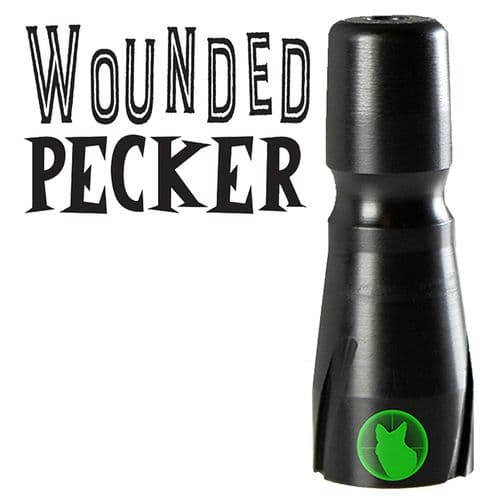
Specifications
Explore the specific details and characteristics
- SKU
- 97507